Monthly Archives: April 2026

April 24, 2026

Alert20260424 – Downgrade to Alert Level 2 for Mekong sub-region

Downgrade to Alert Level 2 for Mekong sub-region

Shower activities over the Mekong sub-region have increased in recent days under the inter-monsoon conditions. The increased rainfall has contributed to a reduction in hotspot counts and some improvement to the smoke haze situation in the sub-region. Nevertheless, elevated hotspot activity and transboundary haze may still be observed over parts of the Mekong sub-region where drier conditions are expected.

A total of 585 and 178 hotspots were detected in the Mekong sub-region on 22 April 2026 and 23 April 2026 respectively from the NOAA-20 satellite. The overall hotspot and smoke haze situation in the sub-region is anticipated to improve further as increased rainfall is forecast across the area in the weeks ahead.

April 23, 2026

Subseasonal Weather Outlook (27 April – 10 May 2026)

Subseasonal Weather Outlook (27 April – 10 May 2026)

Issued: 22 April 2026
First forecast week: 27 April – 3 May 2026
Second forecast week: 4 – 10 May 2026

figure1

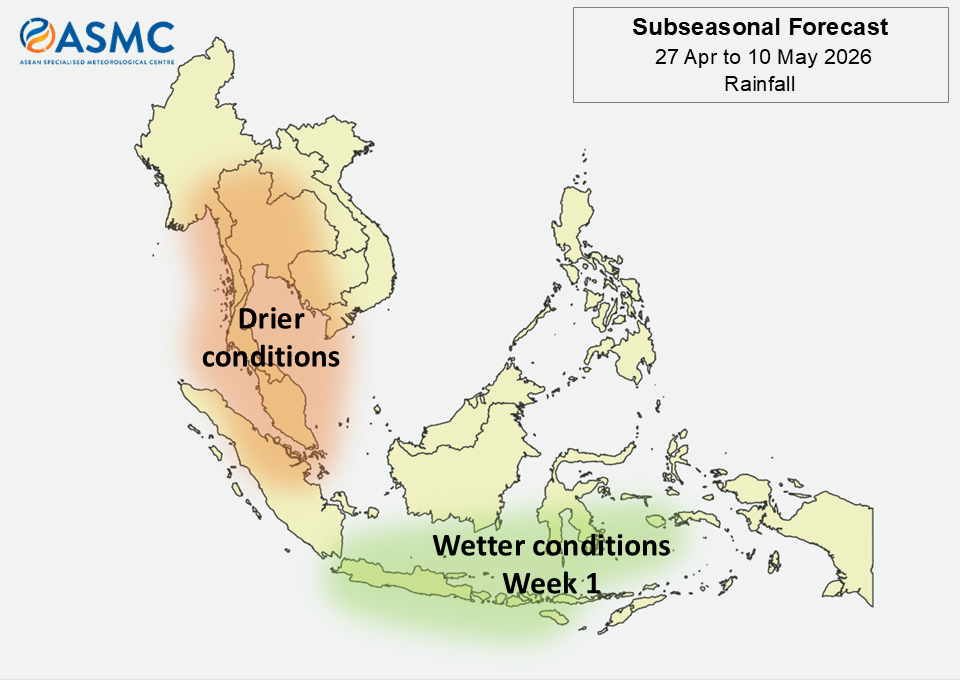
Figure 1: Rainfall Outlook

figure2

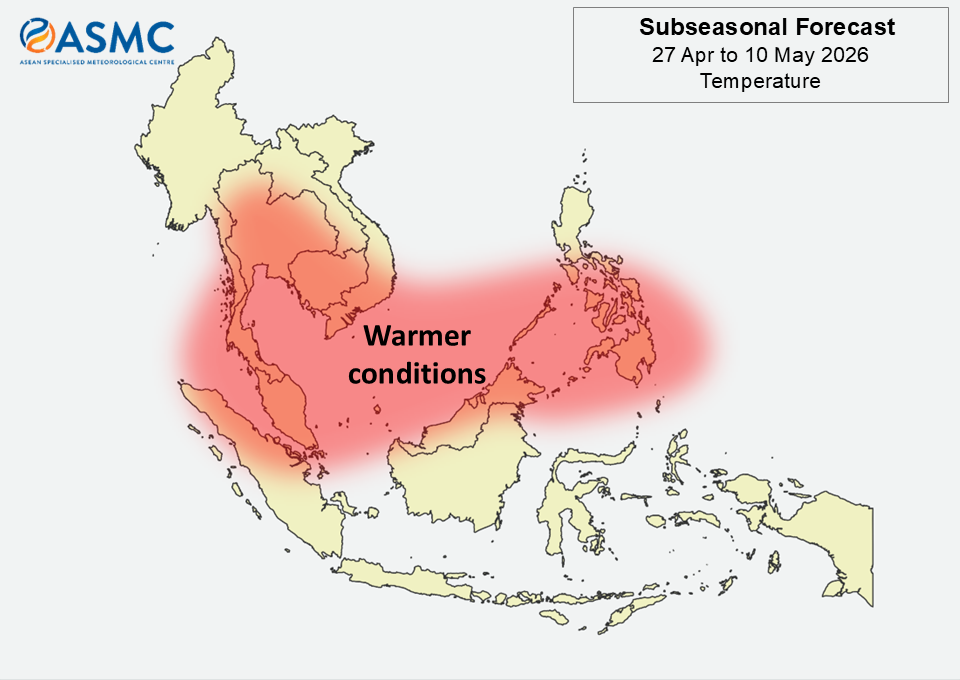
Figure 2: Temperature Outlook

Wetter conditions are predicted over much of the southern Maritime Continent in Week 1 (27 April – 3 May).

Drier than usual conditions are predicted over much of central and southern Mainland Southeast Asia and parts of the western Maritime Continent in the next fortnight (27 April – 10 May).

Warmer than usual temperatures are predicted over much of central and southern Mainland Southeast Asia and most of the northern half of the Maritime Continent in the next fortnight (27 April – 10 May).

A Madden-Julian Oscillation (MJO) signal was present over the Western Hemisphere and Africa (Phases 8 and 1) during mid-April. Most models predict the MJO signal to continue propagating eastwards, reaching the Indian Ocean (Phases 2 and 3) by the start of the forecast period, and then weakening over the Indian Ocean during Week 1 (27 April – 3 May).

The outlook is assessed for the region in general, where conditions are relative to the average conditions for the corresponding time of year. For specific updates on the national scale, the relevant ASEAN National Meteorological and Hydrological Services should be consulted.

April 17, 2026

Review of Regional Weather for March 2026

Review of Regional Weather for March 2026


1. Overview

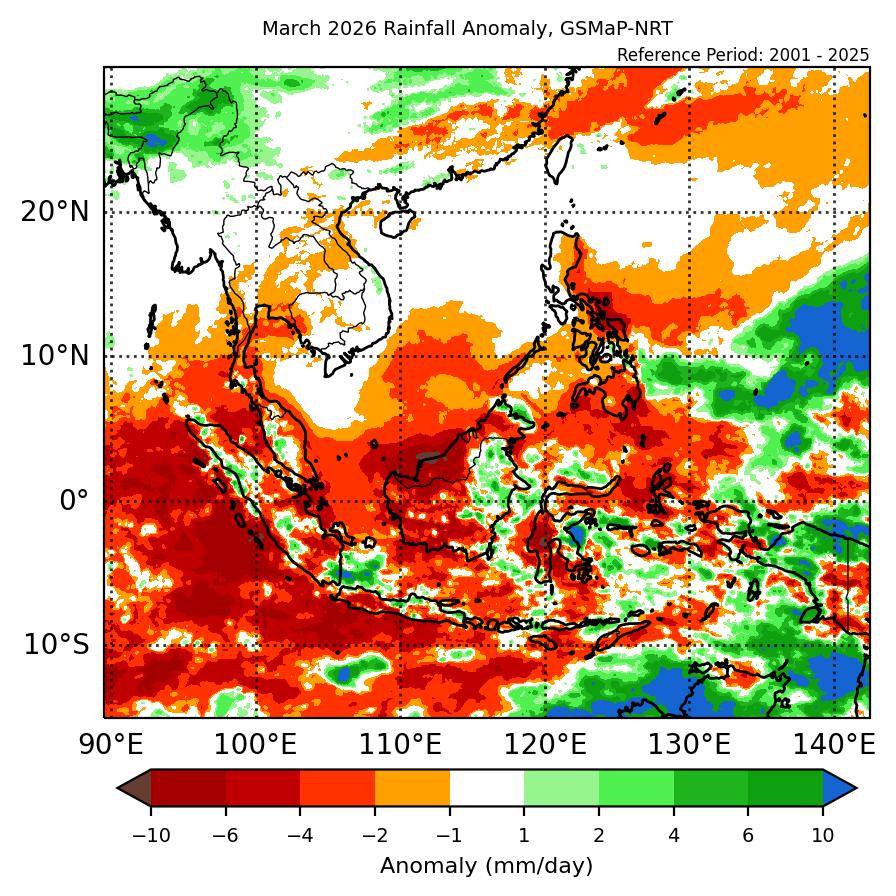
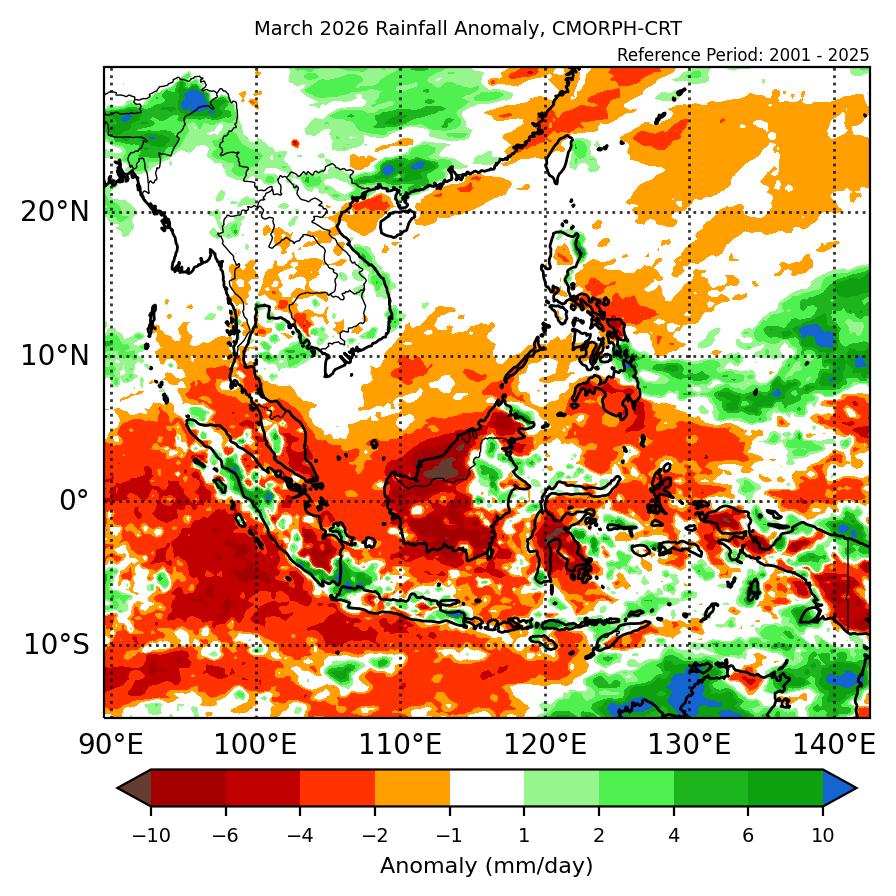
1.1 During March 2026, below-average rainfall was recorded over much of the Maritime Continent with a mix of below and near-average rainfall over most of Mainland Southeast Asia (Figure 1). Mix of below- to above-average (wetter) anomalies were also observed over parts of the eastern equatorial region for both datasets (GSMaP-NRT and CMORPH-CRT). There were dry anomalies over much of central and southern Mainland Southeast Asia, with some regions of above-average rainfall over parts of Viet Nam and northern Myanmar. The largest positive (wetter) anomalies were recorded over Papua for GSMaP-NRT, and over northern Myanmar and western Sumatra for CMORPH-CRT, with the largest negative (drier) anomalies over northwestern Borneo for both datasets.

1.2 The observed rainfall anomaly pattern of below-average rainfall over the Maritime Continent, where the highest anomalies are recorded, is consistent with the predictions from the subseasonal weather outlooks for March 2026 (2 – 15 March 2026 and 16 – 29 January 2025). The subseasonal weather outlooks predicted a drier central Maritime Continent, which is more consistent with the recorded rainfall from CMORPH-BLD. The below-average rainfall over the Maritime Continent is also consistent with the seasonal rainfall outlook for March, with higher confidence of below-normal rainfall over the central region predicted.

era5_rainfall_anomalies
cmorph_bld_rainfall_anomalies
Figure 1: Rainfall anomalies for March 2026 based on GSMaP-NRT data (left) and CPC CMORPH-CRT data (right). The climatological reference period is 2001-2024. Green colour denotes above-average rainfall (wetter), while orange denotes below-average rainfall (drier).


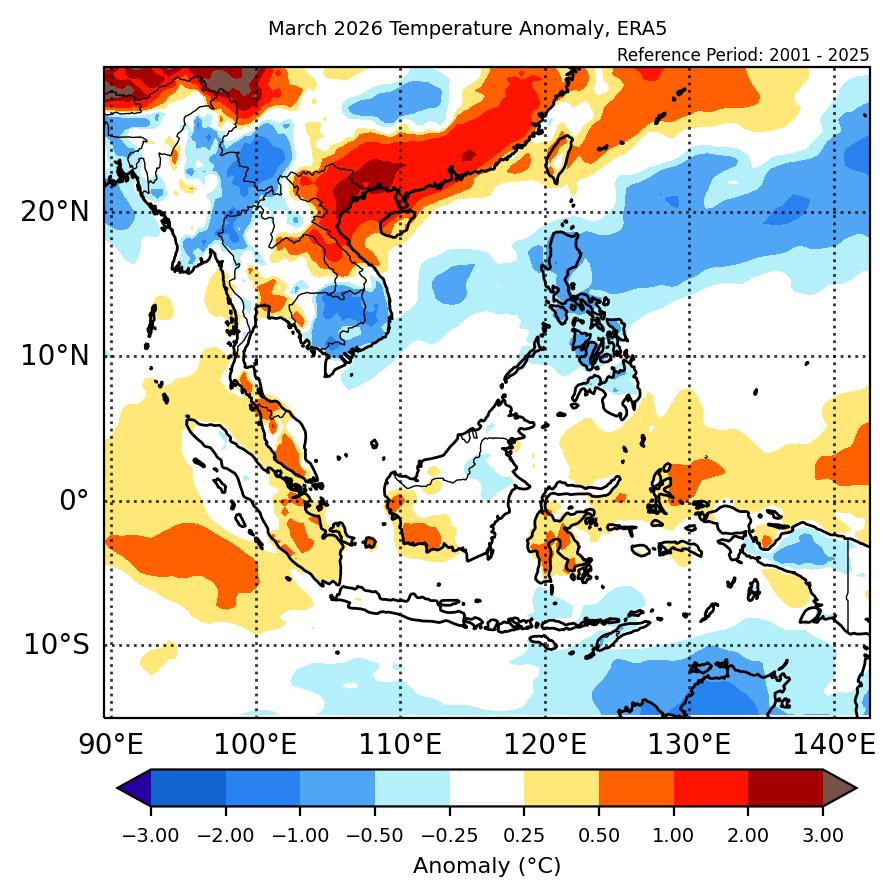
1.3 Above-average temperature was recorded over parts of northeastern Mainland Southeast Asia, with below- to near-average temperature for southeastern and northwestern Mainland Southeast Asia (Figure 2). Below-average temperature was recorded for the northeastern and southeastern Maritime Continent, while near- to above-average temperature was recorded for western and central Maritime Continent. The warmest anomalies (2°C – 3°C above average) were recorded over northern Viet Nam, while the coolest anomalies (0.5°C – 1°C below average) were recorded over eastern Myanmar, northern Philippines and eastern Cambodia.

era5_temperature_anomalies
Figure 2: Temperature anomalies for March 2026 based on ERA-5 reanalysis. The climatological reference period is 2001-2024. Red colour denotes above-average temperature (warmer), while blue denotes below-average temperature (colder).


2. Climate Drivers

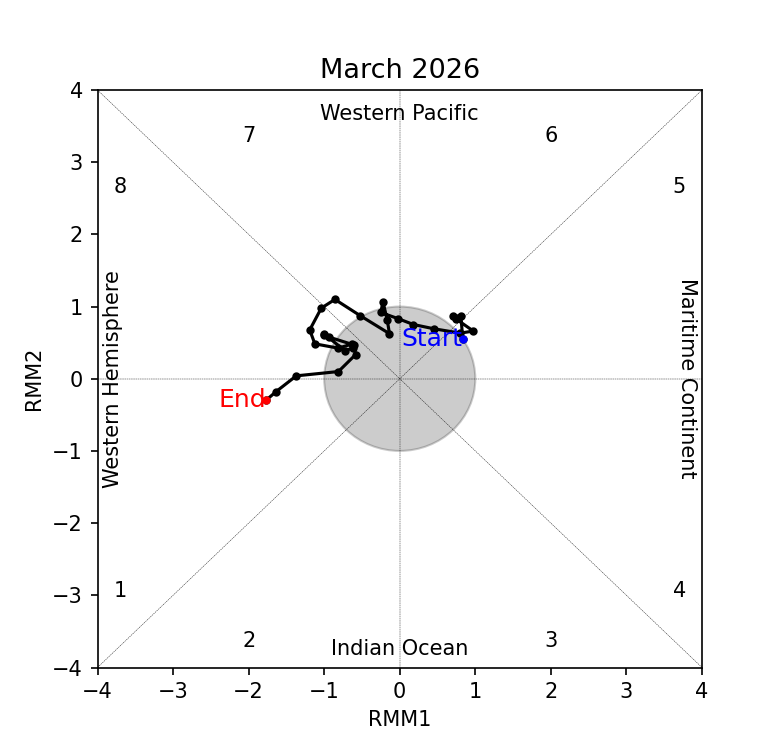
2.1 The Madden-Julian Oscillation (MJO) was inactive for much of March based on the RMM diagram (Figure 3). The signal was inactive during the beginning of March, then emerged shortly in Week 3 over the Western Pacific (Phase 7), propagating to Western Hemisphere (Phase 8) and then decayed over the Western Hemisphere (Phase 8) in the same week. The MJO signal remained indiscernible for much of Week 4, before emerging over the Western Hemisphere (Phase 1) at the end of the month. At this time of the year, Phases 7 and 8 tend to bring drier conditions to the Maritime Continent, with the observed rainfall in March also showing drier conditions.

mjo_phase_diagram


Figure 3: The MJO phase diagram. The diagram illustrates the movement of the MJO through different phases, which correspond to different locations along the equator (denoted in the text with the first day of the month in blue and the last day of the month in red). The distance of the index from the centre of the diagram is related to the strength of the MJO. Values within the grey circle are considered weak or indiscernible (data from the Bureau of Meteorology, Australia).


2.2 The El Niño – Southern Oscillation (ENSO) condition is “Neutral”. The Indian Ocean Dipole (IOD) is currently in the neutral state.


April 10, 2026

Review of Regional Haze Situation for March 2026

Review of Regional Haze Situation for March 2026

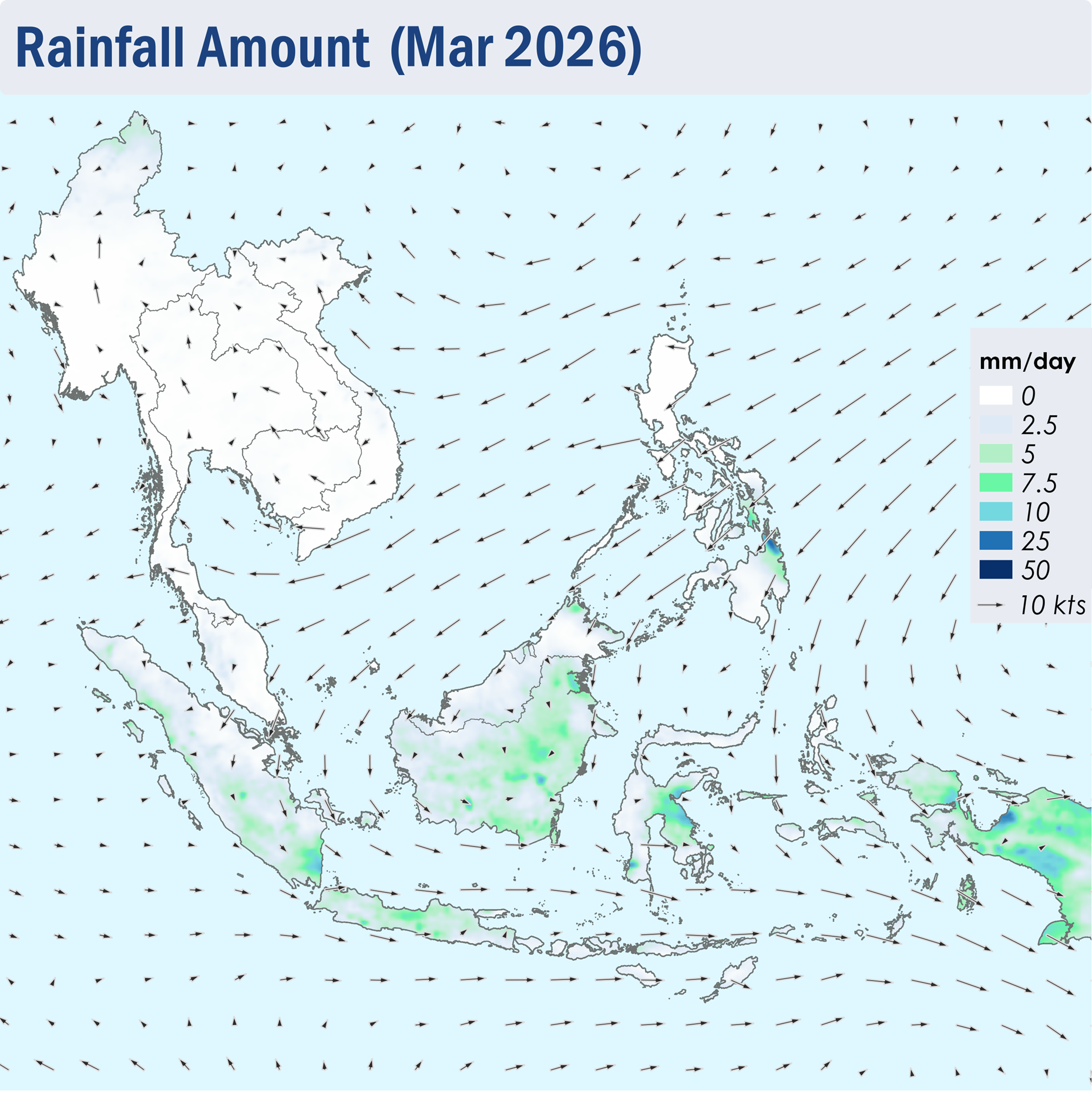
1.1 During March 2026, Northeast Monsoon conditions remained over the ASEAN region. Over regions north of the Equator, the prevailing low-level winds blew mainly from the northeast to east, except over the Mekong sub-region where the winds were generally weaker and blew mostly from the southeast or south (Figure 1). Over regions south of the Equator, the prevailing low-level winds blew from the west to north (Figure 1).

1.2 Dry conditions continued over most of the northern ASEAN region during the review period, except for some showers observed over the southern parts of the Philippines and the northern parts of Myanmar (Figure 1). Meanwhile, showers prevailed over most of the southern ASEAN region, apart from parts of Peninsular Malaysia, the central parts of Sumatra and the northern parts of Borneo, where conditions were drier (Figure 1).

Figure 1: Average Daily Rainfall and Mean Winds for March 2026. (Source: JAXA GsMaP and GFS, respectively)


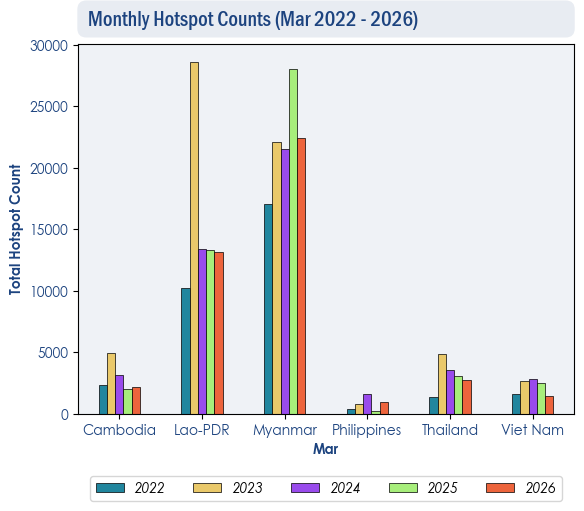
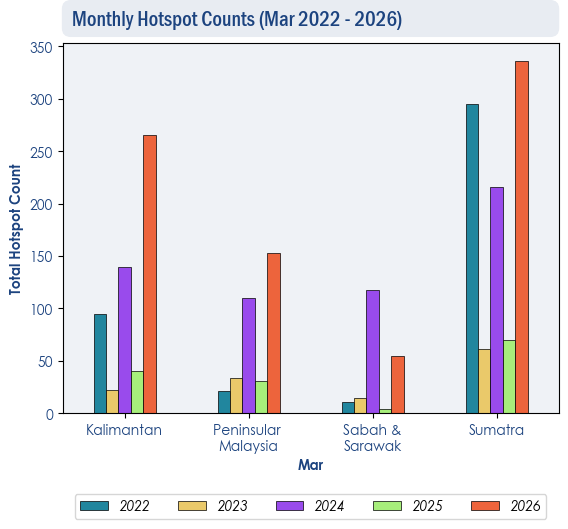
1.3 Over the northern ASEAN region, the hotspot counts for March 2026 were generally lower than or comparable to previous years (Figure 2). Over the southern ASEAN region, there was an increase in hotspot counts over Kalimantan, Peninsular Malaysia and Sumatra, with the highest count recorded in five years (Figure 3).


Figure 2: Hotspot counts for the northern ASEAN region for March (2022-2026) based on NOAA-20 satellite surveillance.


Figure 3: Hotspot counts for the southern ASEAN region for March (2022-2026) based on NOAA-20 satellite surveillance.


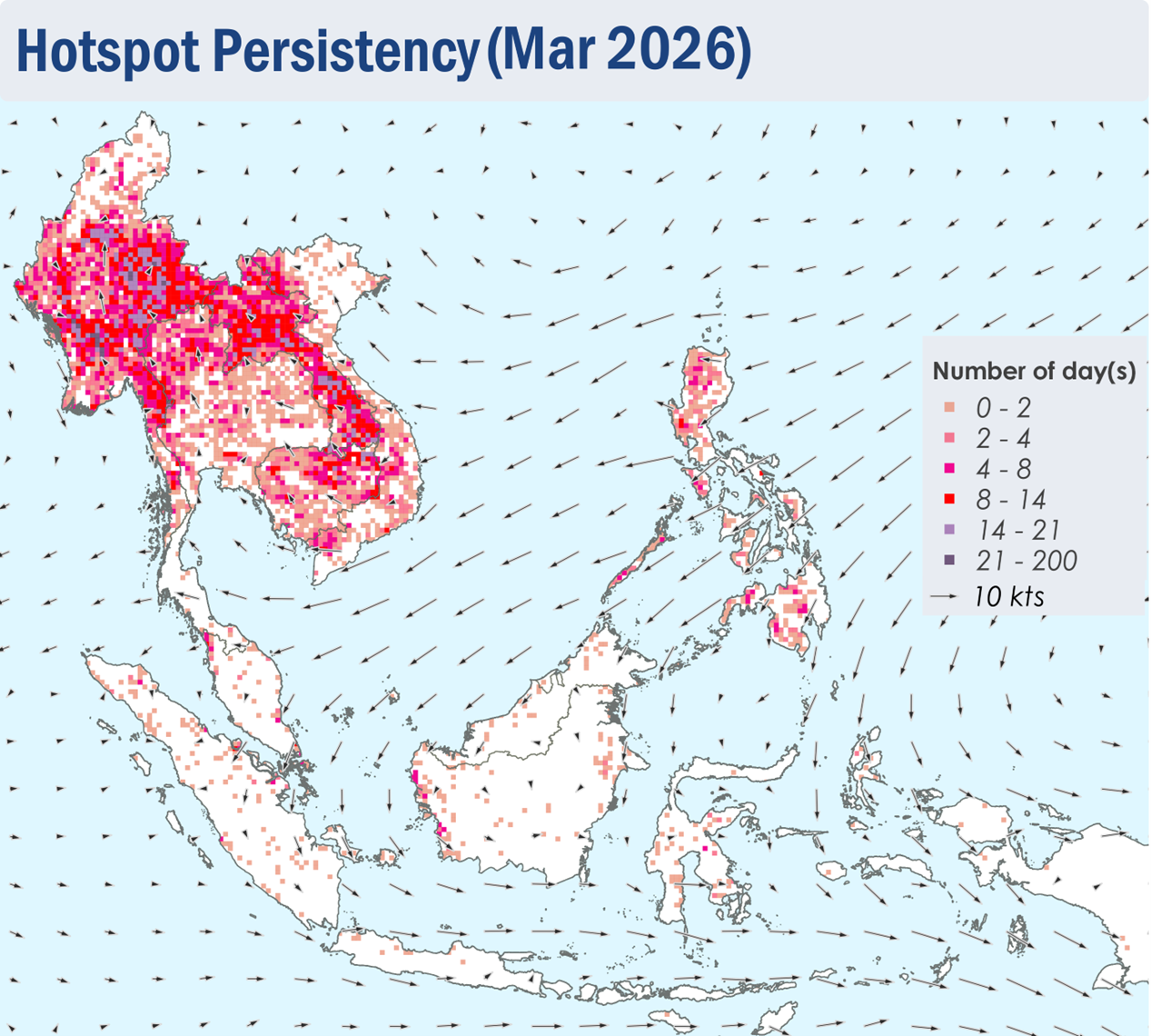
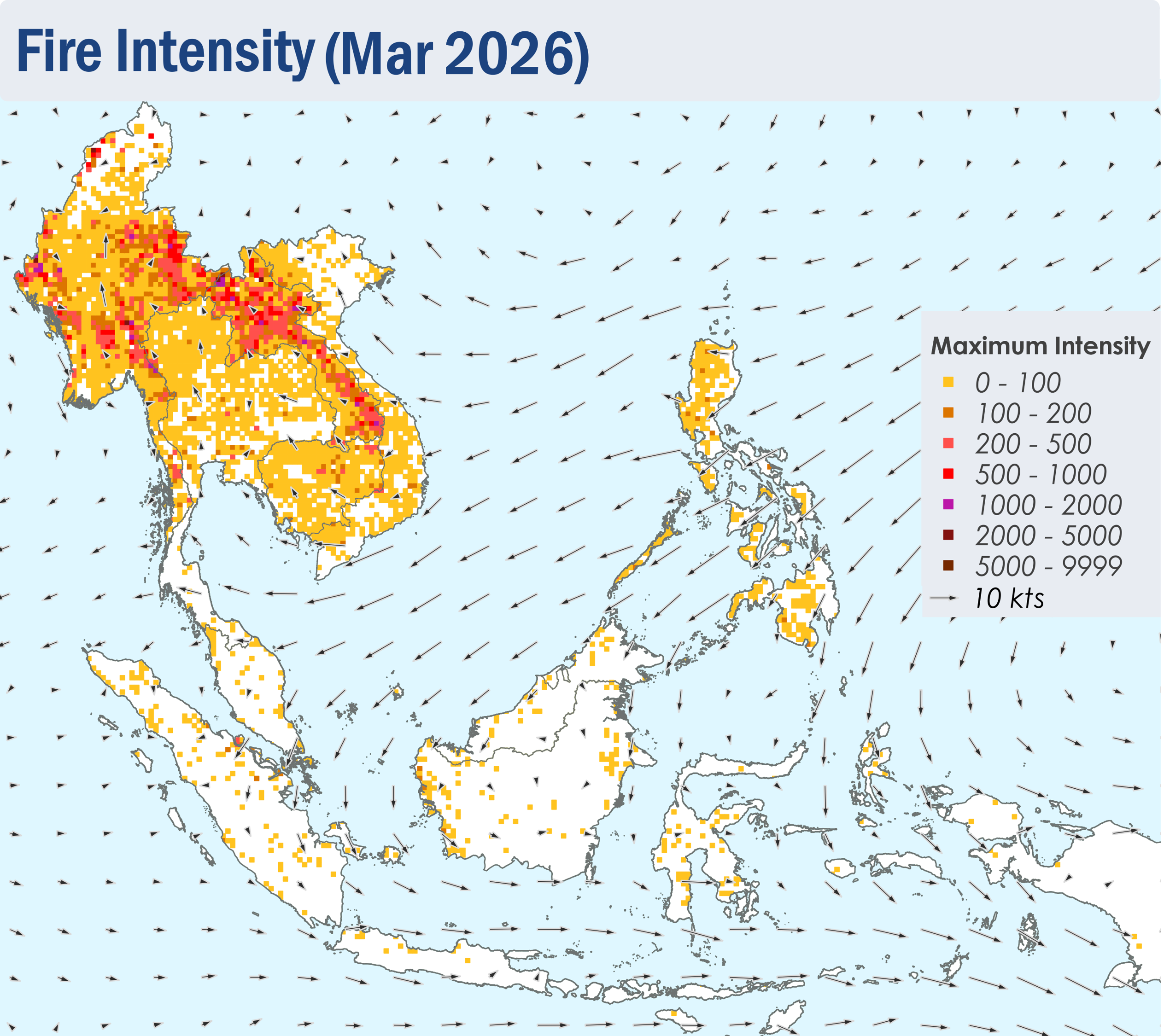
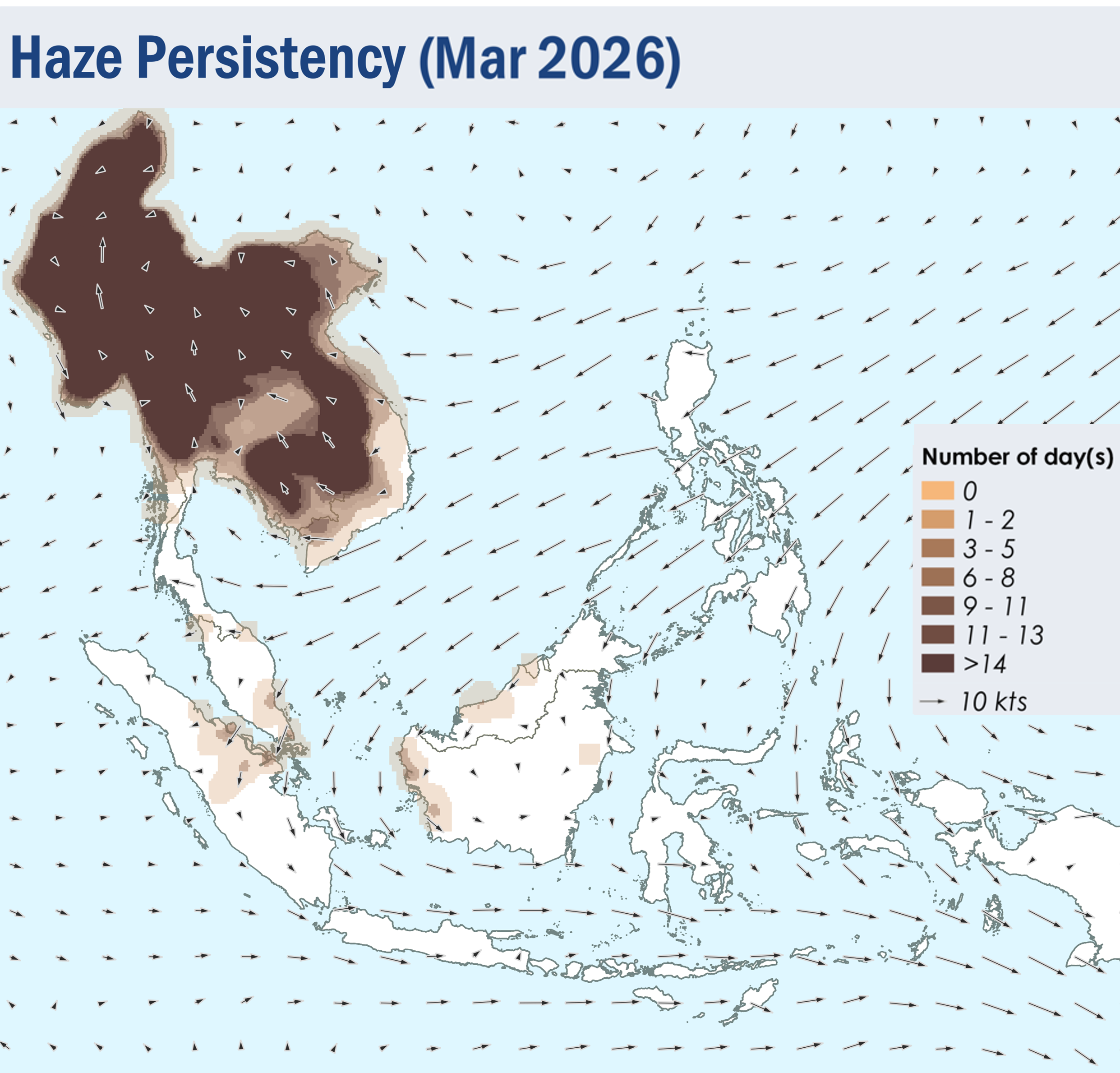
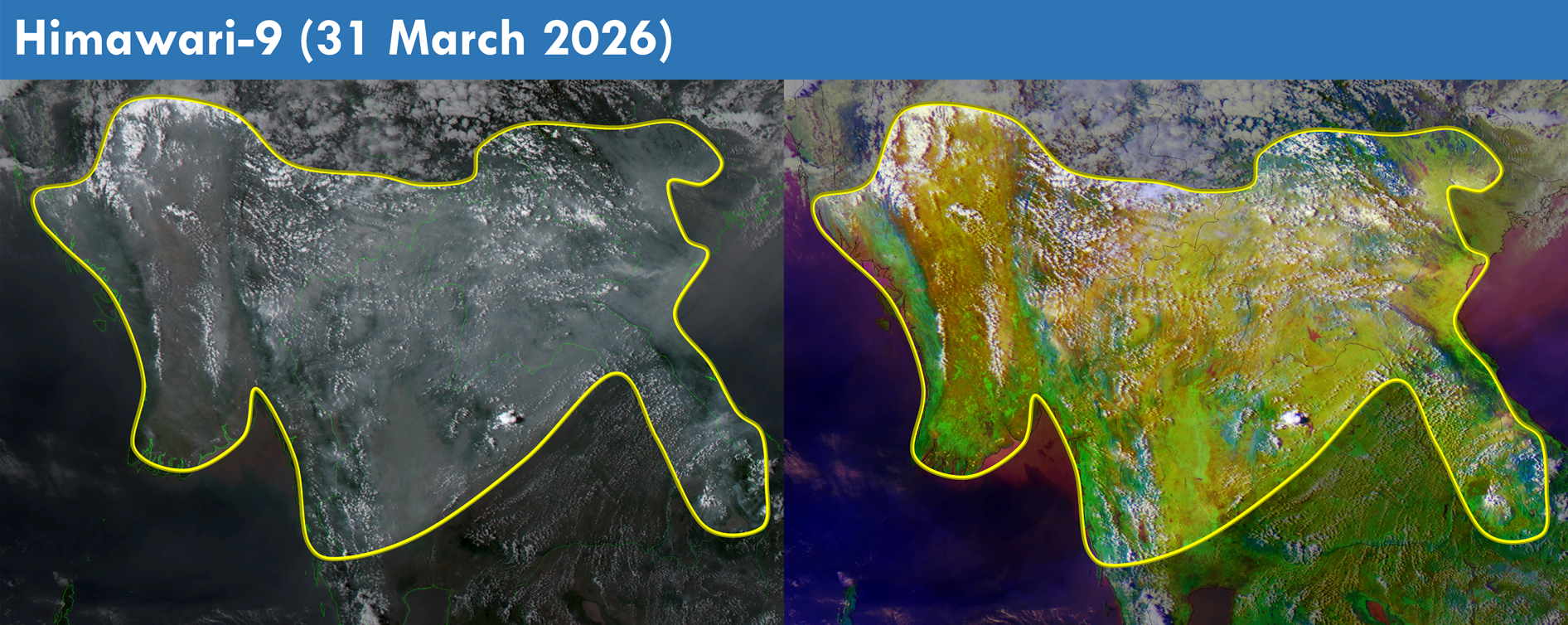
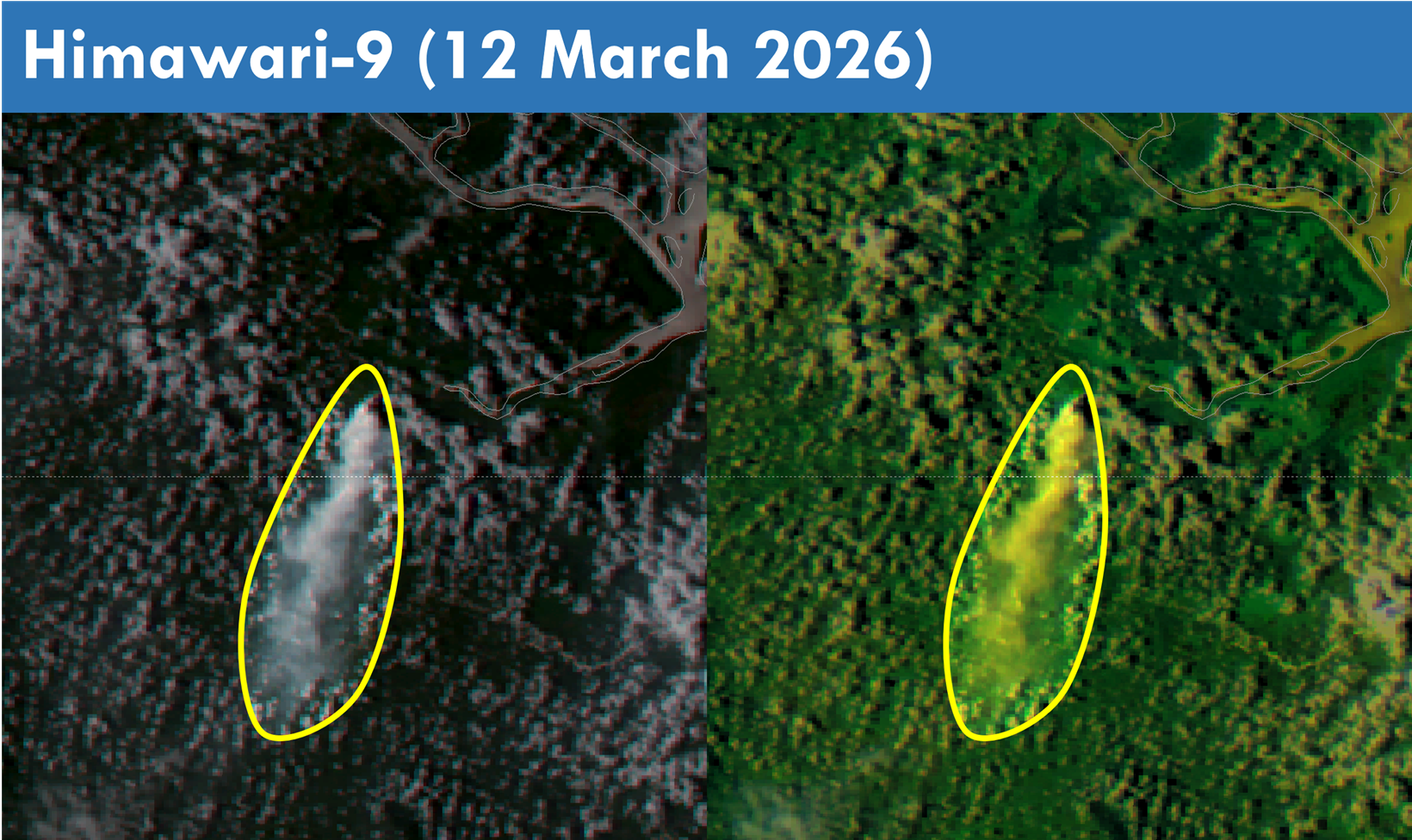
1.4 Scattered to widespread hotspots were detected in the Mekong sub-region. Persistent and intense hotspots were detected mostly in Myanmar, Lao PDR, as well as the northern parts of Thailand and Cambodia (Figures 4 and 5). Moderate to dense transboundary smoke plumes were observed across the Mekong sub-region on many days, particularly over the eastern parts of Myanmar and the northern parts of Thailand, Lao PDR and Viet Nam (Figure 6 and 7). During periods of dry weather over the southern ASEAN region, slight to moderate smoke plumes were observed emitting from hotspots detected mainly in parts of Peninsular Malaysia, the central parts of Sumatra and the northern and western parts of Borneo (Figures 6, 8, 9, 10 and 11).


Figure 4: Distribution of hotspots detected in March 2026 based on NOAA-20 satellite surveillance.


Figure 5: Maximum fire intensity in March 2026 based on NOAA-20 satellite surveillance.


Figure 6: Number of days with moderate to dense smoke haze observed in March 2026 based on satellite imagery, ground observations, and air quality reports.


Figure 7: Moderate to dense transboundary smoke plumes observed over parts of Myanmar, northern, central and eastern Thailand, parts of Lao PDR and the northern and central parts of Viet Nam on 31 March 2026. (Source: Himawari-9 satellite surveillance)


Figure 8: Moderate localised smoke plume observed over the central parts of Sumatra on 12 March 2026. (Source: Himawari-9 satellite surveillance)


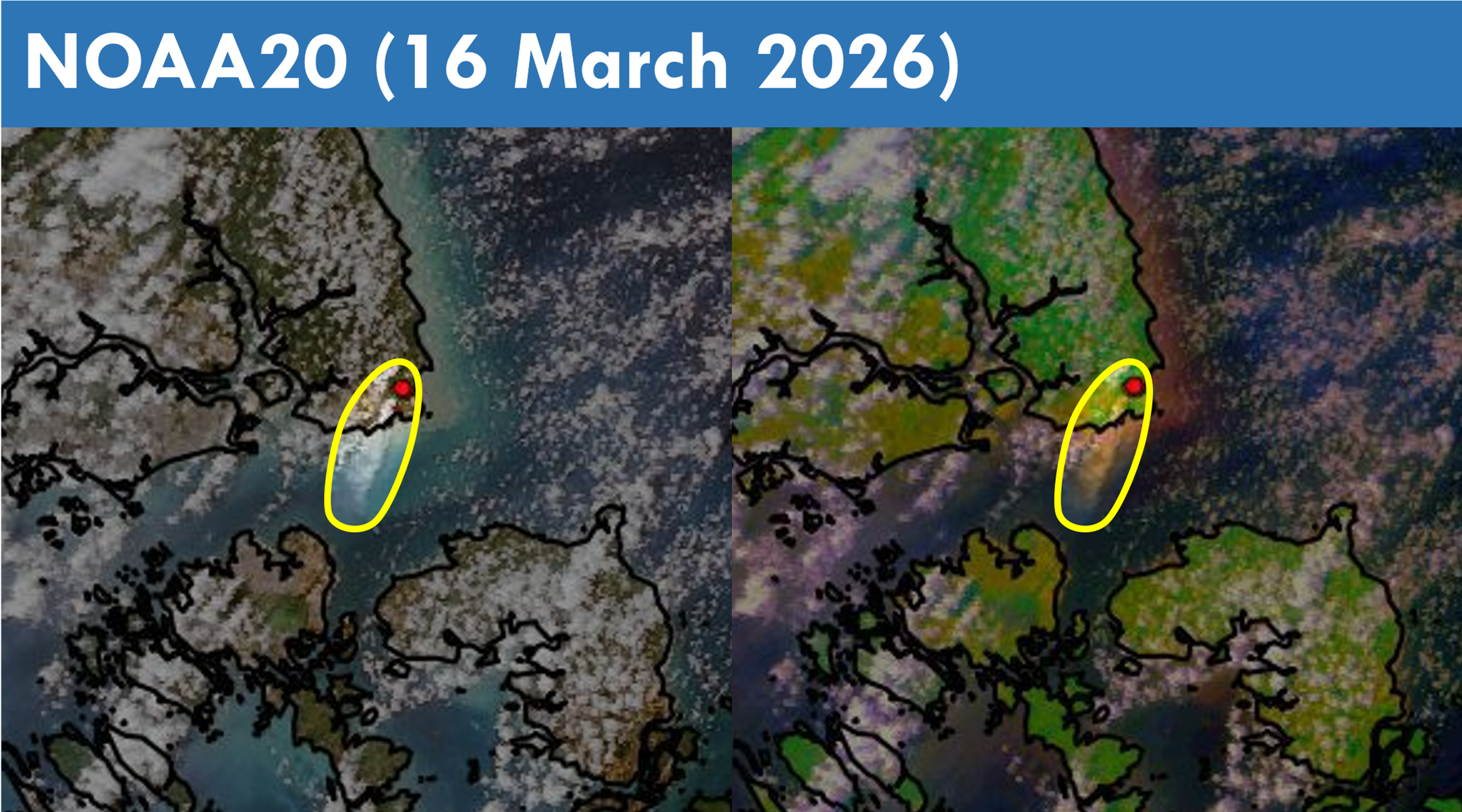
Figure 9: Moderate localised smoke plume observed over the southeastern parts of Peninsular Malaysia on 16 March 2026. (Source: NOAA20 satellite surveillance)


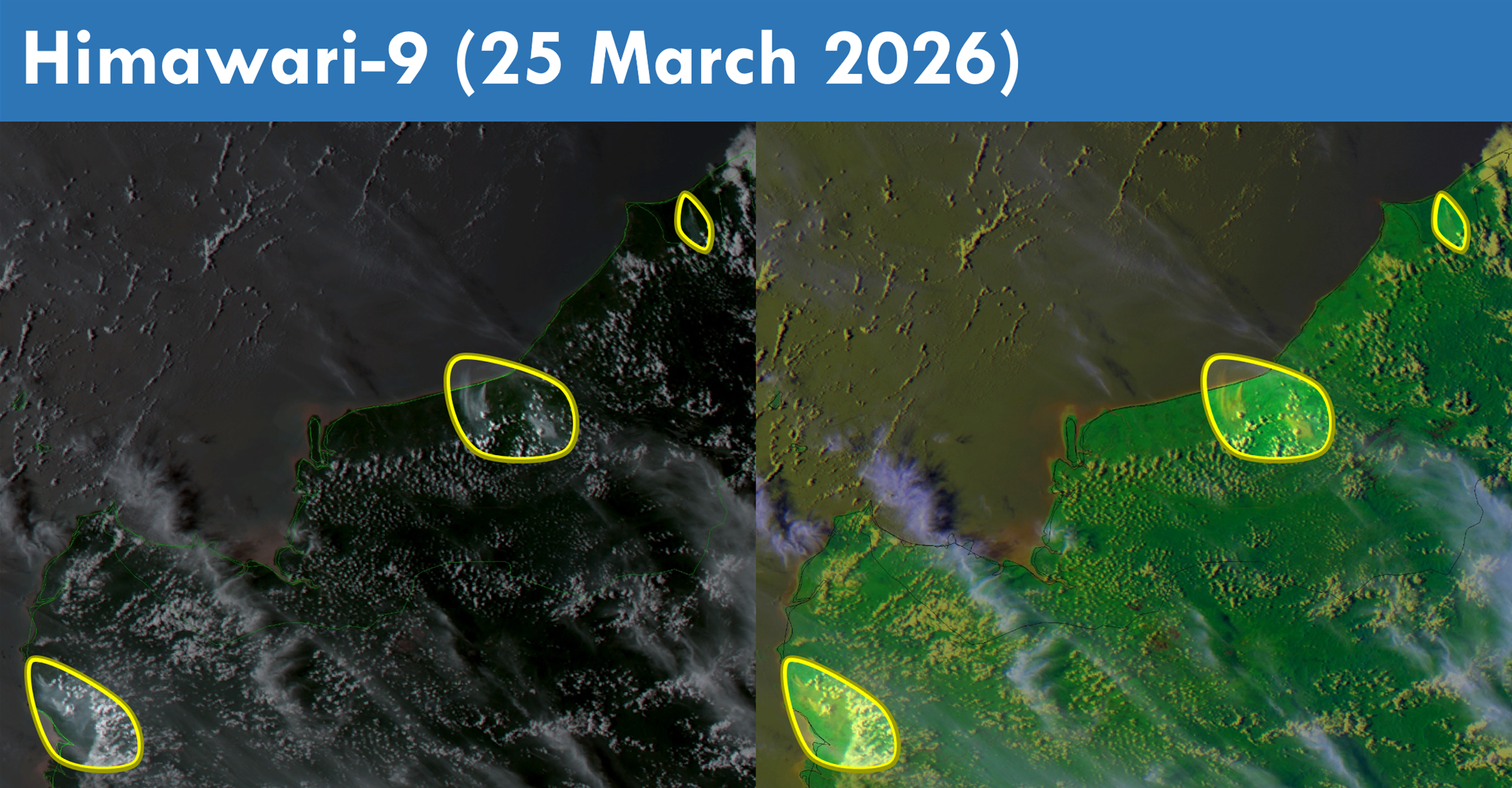
Figure 10: Slight to moderate smoke plumes observed over the northern parts of Borneo on 25 March 2026. (Source: Himawari-9 satellite surveillance)


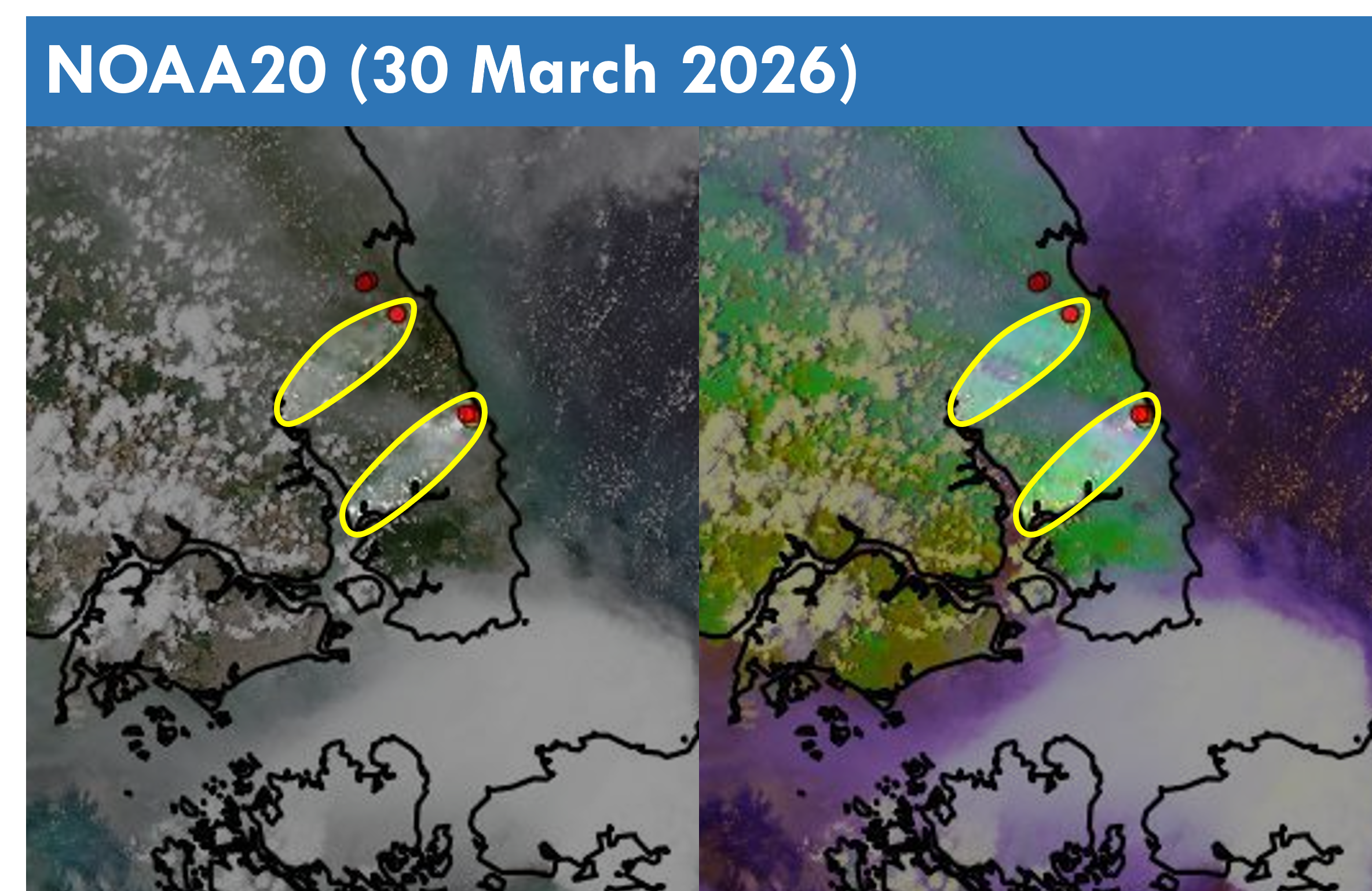
Figure 11: Moderate smoke plumes observed over the southeastern parts of Peninsular Malaysia on 30 March 2026. (Source: NOAA20 satellite surveillance)


April 9, 2026

Hotspot and Haze Assessment (H2A) Workshop 2026 for the ASEAN Region, Singapore 3 – 5 March 2026

Hotspot and Haze Assessment (H2A) Workshop 2026 for the ASEAN Region, Singapore 3 – 5 March 2026

ASMC hosted the annual Hotspot and Haze Assessment (H2A) workshop for the Southeast Asia region during 3 – 5 March 2026. The three-day event brought together 17 participants representing 8 ASEAN Member States (AMS) and the ASEAN Secretariat. As part of the ASMC’s Capability-building Programme (ACaP), the workshop aims to strengthen regional expertise in weather forecasting, hotspot and haze surveillance, subseasonal-to-seasonal prediction methods, and climate projection analysis.

The programme facilitated knowledge sharing among environmental and meteorological professionals from various AMS, who presented their national approaches to fire prevention and mitigation strategies during the dry season. ASMC staff conducted training lectures and practical hands-on sessions related to satellite technology applications for fire detection and smoke haze monitoring. Participants also learned about Southeast Asia’s weather and climatic characteristics and how to interpret subseasonal and seasonal outlooks . The workshop also showcased the WMO Information System (WIS) 2.0 for data dissemination, ASMC’s ASEAN-wide burned area mapping product, and smoke haze dispersion modelling capabilities.

Participants had the opportunity to visit the Centre for Remote Imaging, Sensing and Processing (CRISP), which researches applications of remote sensing technology. CRISP researchers were invited to share on their remote sensing research initiatives and practical applications. Workshop participants had the opportunity to visit CRISP’s facilities which included satellite reception systems and air quality monitoring instruments such as PANDORA and AERONET systems. This site visit demonstrated how CRISP utilises these technologies to support haze detection and air quality surveillance activities.

The workshop created a valuable platform for knowledge exchange and professional networking among participants and instructors, connecting regional specialists engaged in fire monitoring, haze assessment, and environmental management activities.

Figure 1: Group photograph of ASMC staff and participants of the 2026 H2A workshop.
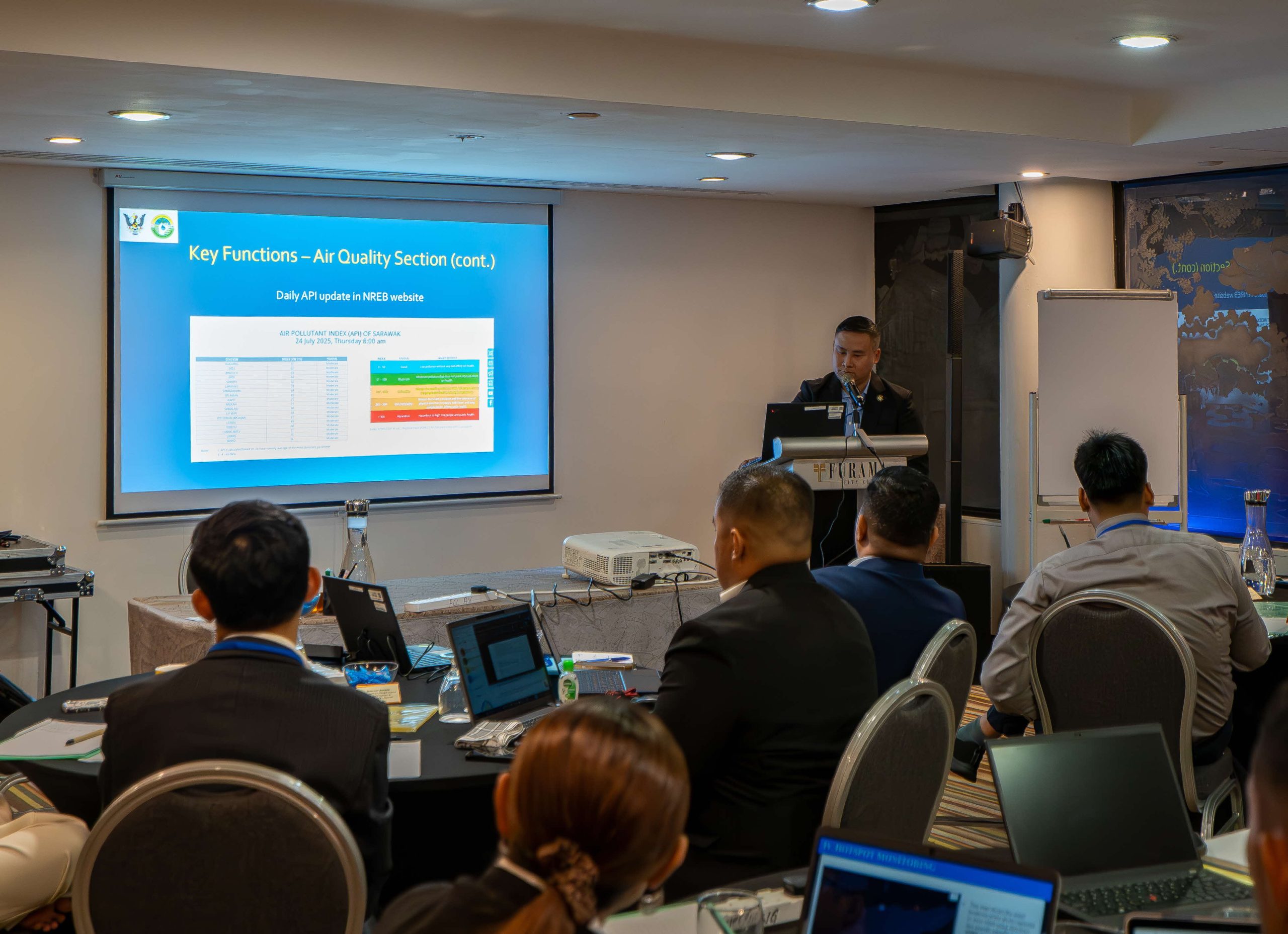

Figure 2: Participants’ sharing of local experience on fire and haze in their countries.
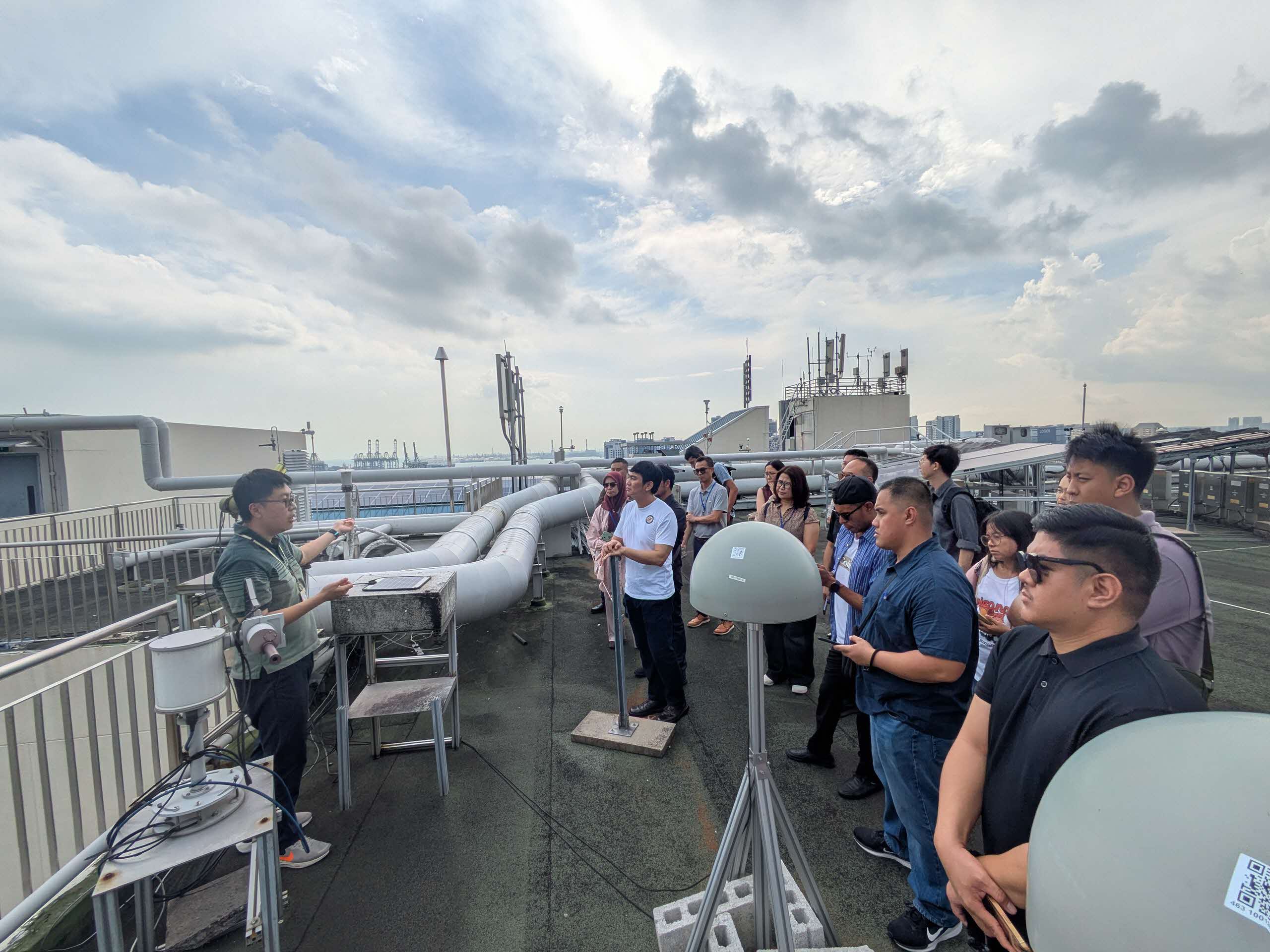

Figure 3: CRISP staff giving the participants a tour of their facilities.


Figure 4: ASMC staff and participants at a welcome dinner.
April 8, 2026

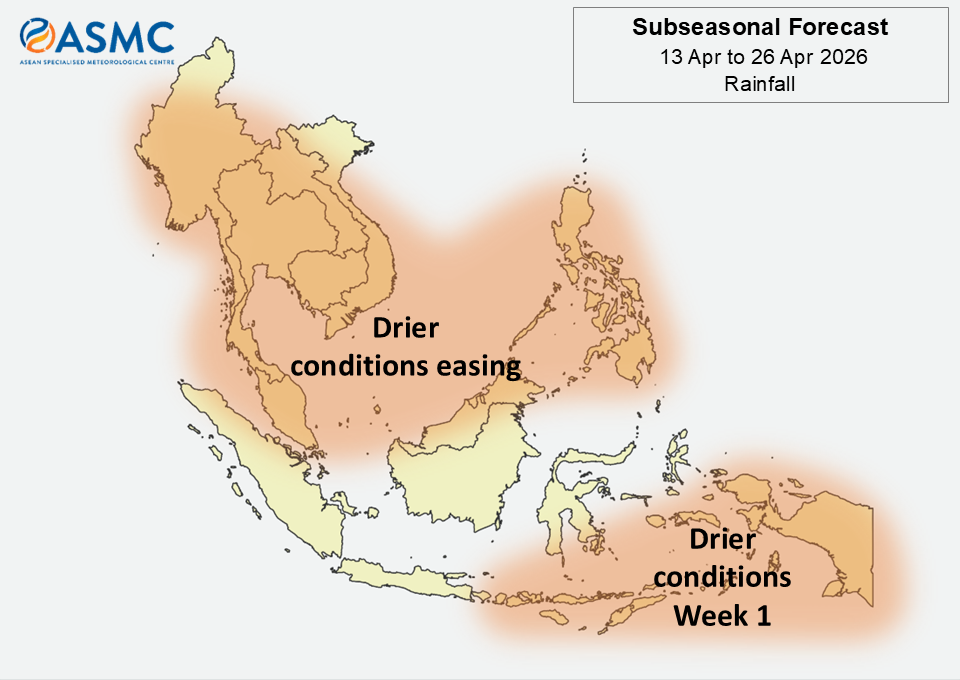
Subseasonal Weather Outlook (13 – 26 April 2026)

Subseasonal Weather Outlook (13 – 26 April 2026)

Issued: 8 April 2026
First forecast week: 13 – 19 April 2026
Second forecast week: 20 – 26 April 2026

figure1

Figure 1: Rainfall Outlook

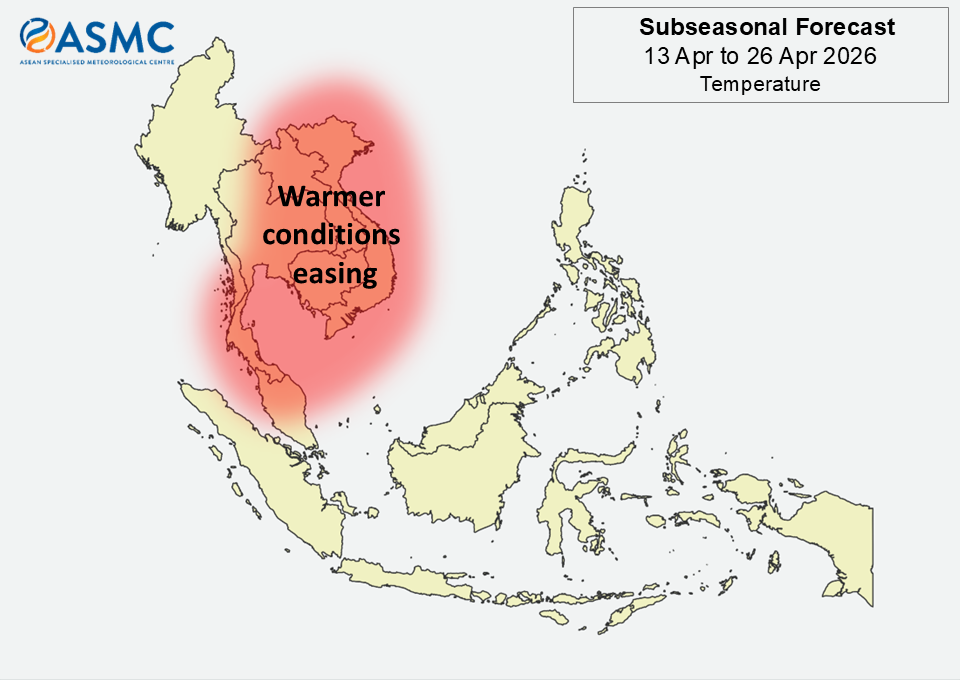
figure2

Figure 2: Temperature Outlook

Drier than usual conditions are predicted over the southeastern Maritime Continent in Week 1 (13 – 19 April).

Drier than usual conditions are also predicted over much of Mainland Southeast Asia and most of the northern Maritime Continent in Week 1 (13 – 19 April). These drier conditions are predicted to ease over much of the region in Week 2 (20 – 26 April), except over southeastern Mainland Southeast Asia, the northwestern Maritime Continent, and northern Borneo where the drier conditions are likely to persist.

Warmer than usual temperatures are predicted over much of Mainland Southeast Asia and parts of the northwestern Maritime Continent in Week 1 (13 – 19 April), easing in Week 2 (20 – 26 April).

No Madden-Julian Oscillation (MJO) signal was present at the end of the first week of April 2026. Most models predict an MJO signal to develop over the Western Pacific (Phases 6 and 7) by the start of the forecast period. The MJO signal is predicted to propagate eastwards, reaching the Western Hemisphere and Africa, in Phase 8 during Week 1 (13 – 19 April) and Phase 1 during Week 2 (20 – 26 April).

The outlook is assessed for the region in general, where conditions are relative to the average conditions for the corresponding time of year. For specific updates on the national scale, the relevant ASEAN National Meteorological and Hydrological Services should be consulted.

April 1, 2026

ASMC Climate Bulletin (Mar 2026)

ASMC Climate Bulletin (Mar 2026)