Category Archives: Haze Review for Year 2026

March 19, 2026

Review of Regional Haze Situation for February 2026

Review of Regional Haze Situation for February 2026

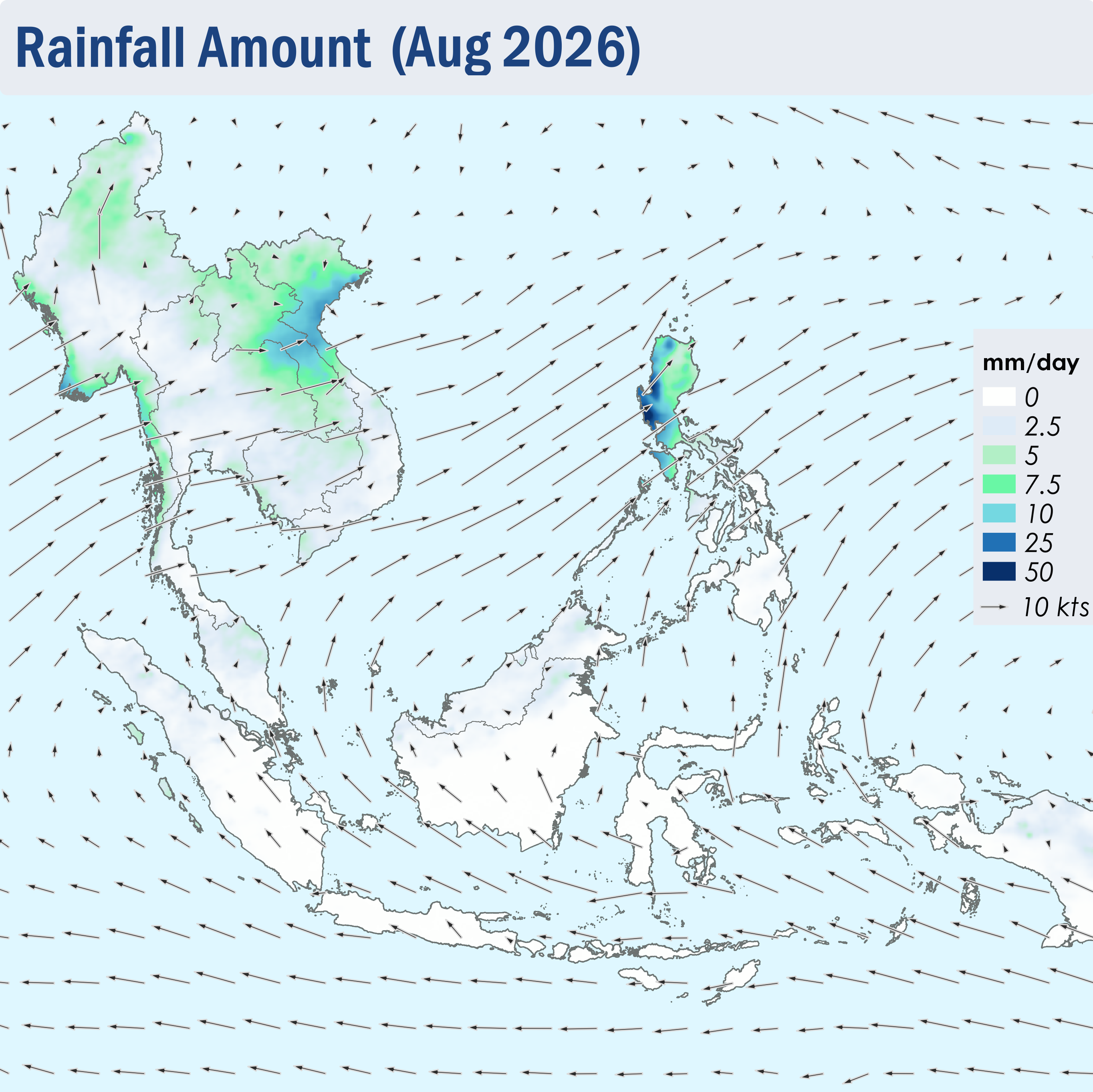
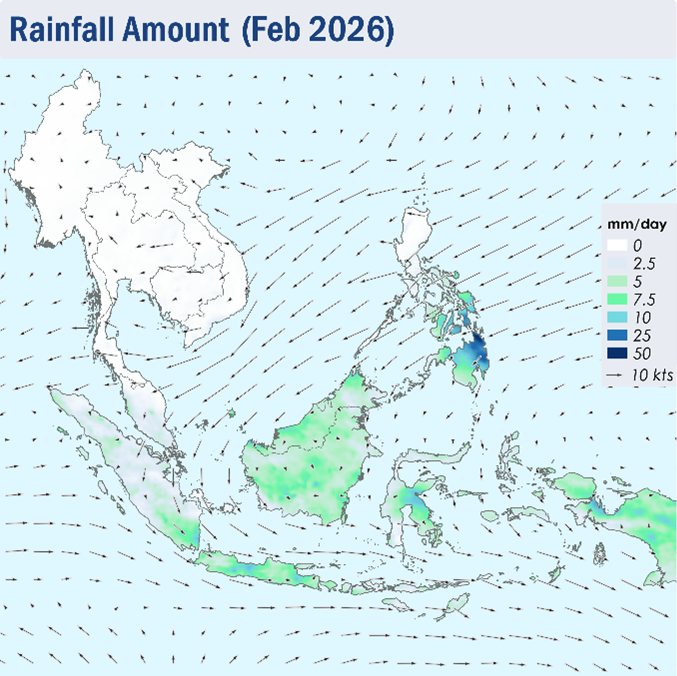
1.1 During February 2026, Northeast monsoon conditions were predominantly observed over the ASEAN region. While the prevailing winds blew mostly from the northeast or northwest over the region, the Mekong sub-region occasionally experienced days with prevailing light and variable winds. (Figure 1)

1.2 Extensive dry conditions were generally observed over the Mekong sub-region as well as the northern parts of the Philippines during the month of February 2026, though there were some showers observed over the southeastern and central parts of the Mekong sub-region on a few days during the last week of February. Parts of Peninsular Malaysia and Sumatra also experienced days with relatively lower rainfall during the month (Figure 1). Heavier showers were observed over the Philippines, which can be attributed to Tropical Storm Penha. To reflect the ongoing and expected dry weather conditions over the Mekong sub-region, ASMC issued Alert Level 2 for the Mekong sub-region on 2 February 2026.

Figure 1: Average Daily Rainfall and Mean Winds for February 2026. (Source: JAXA GsMaP and GFS, respectively)


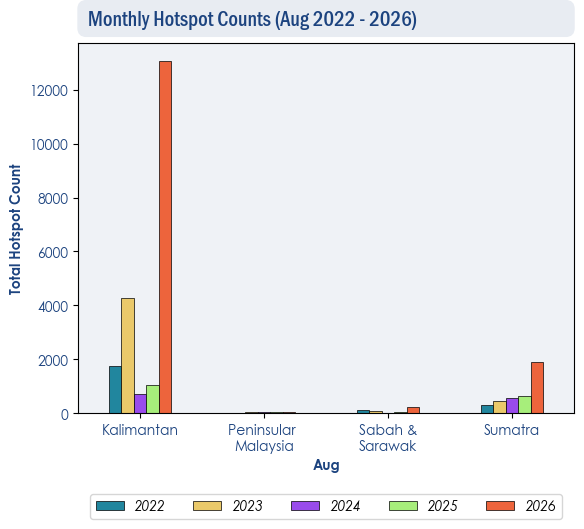
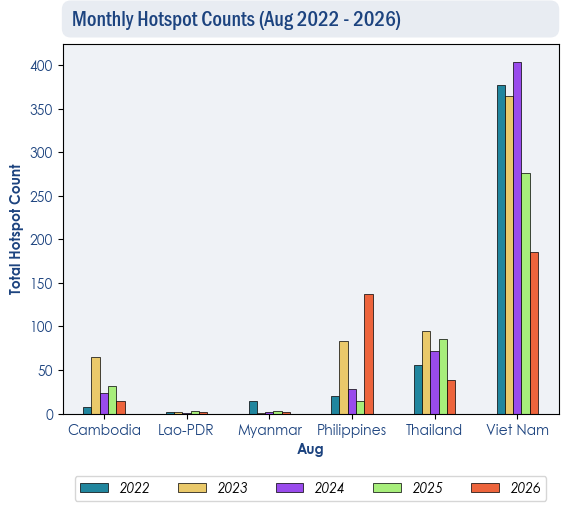
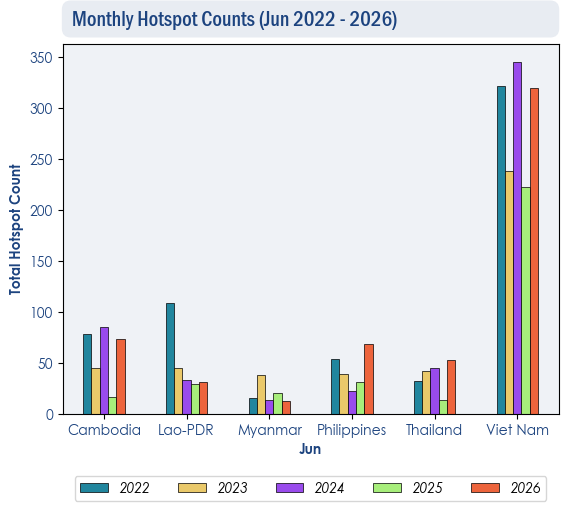
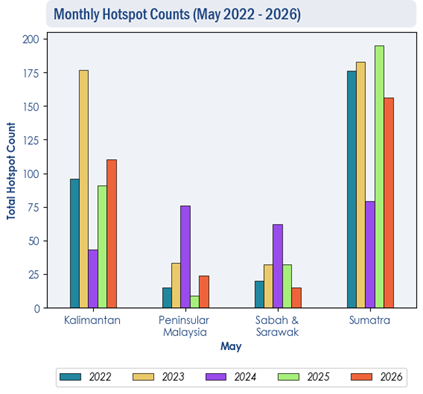
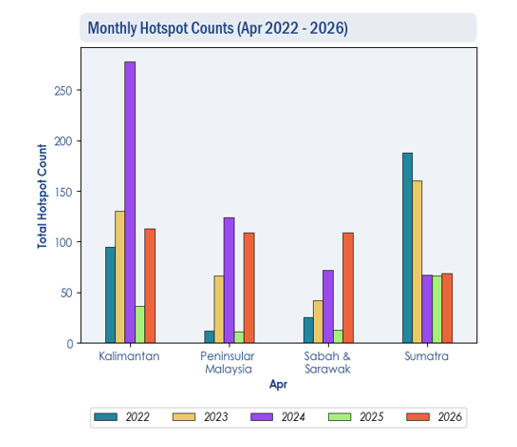
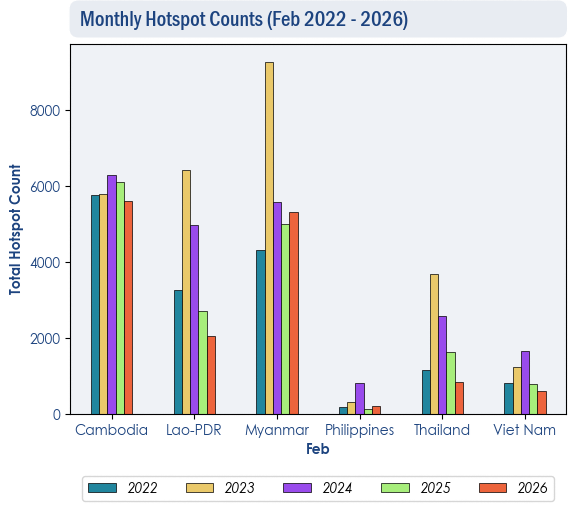
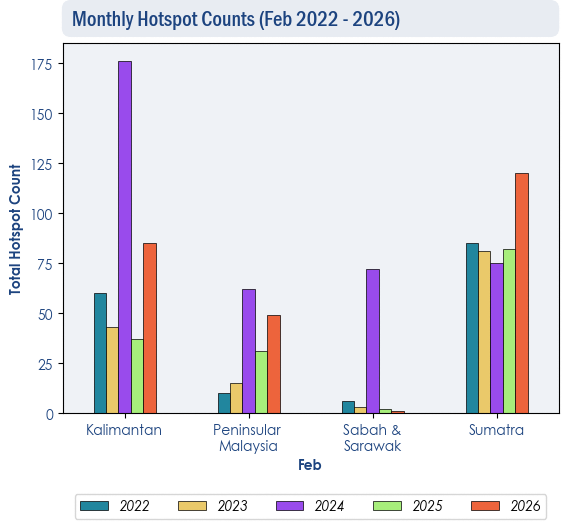
1.3 Despite the drier conditions, hotspot counts over the ASEAN region for February 2026 were observed to be much lower or comparable compared to the hotspot counts from the preceding years (2022-2025).


Figure 2: Hotspot counts for the northern ASEAN region for February (2022-2026) based on NOAA-20 satellite surveillance.


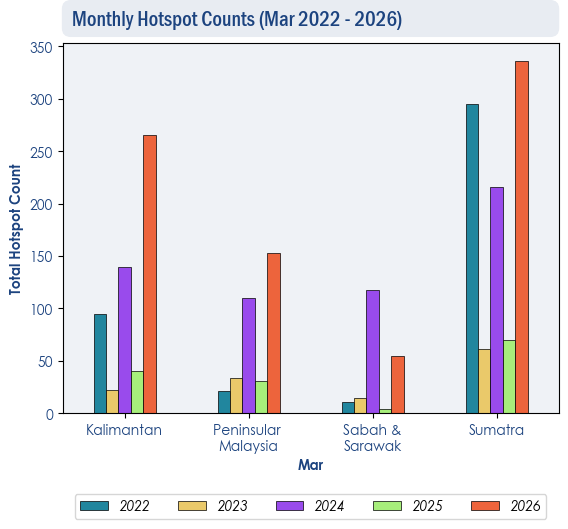
Figure 3: Hotspot counts for the southern ASEAN region for February (2022-2026) based on NOAA-20 satellite surveillance.


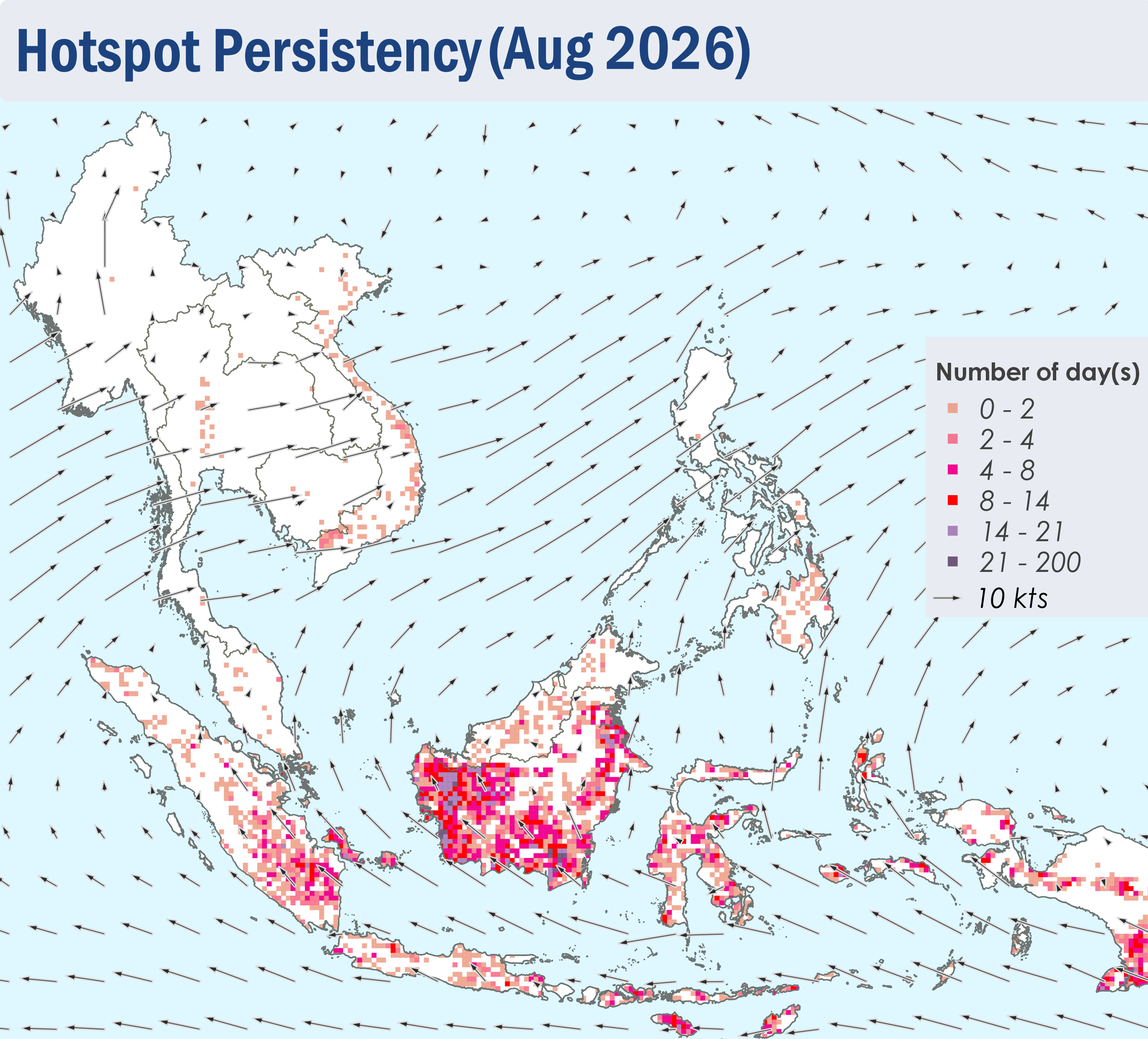
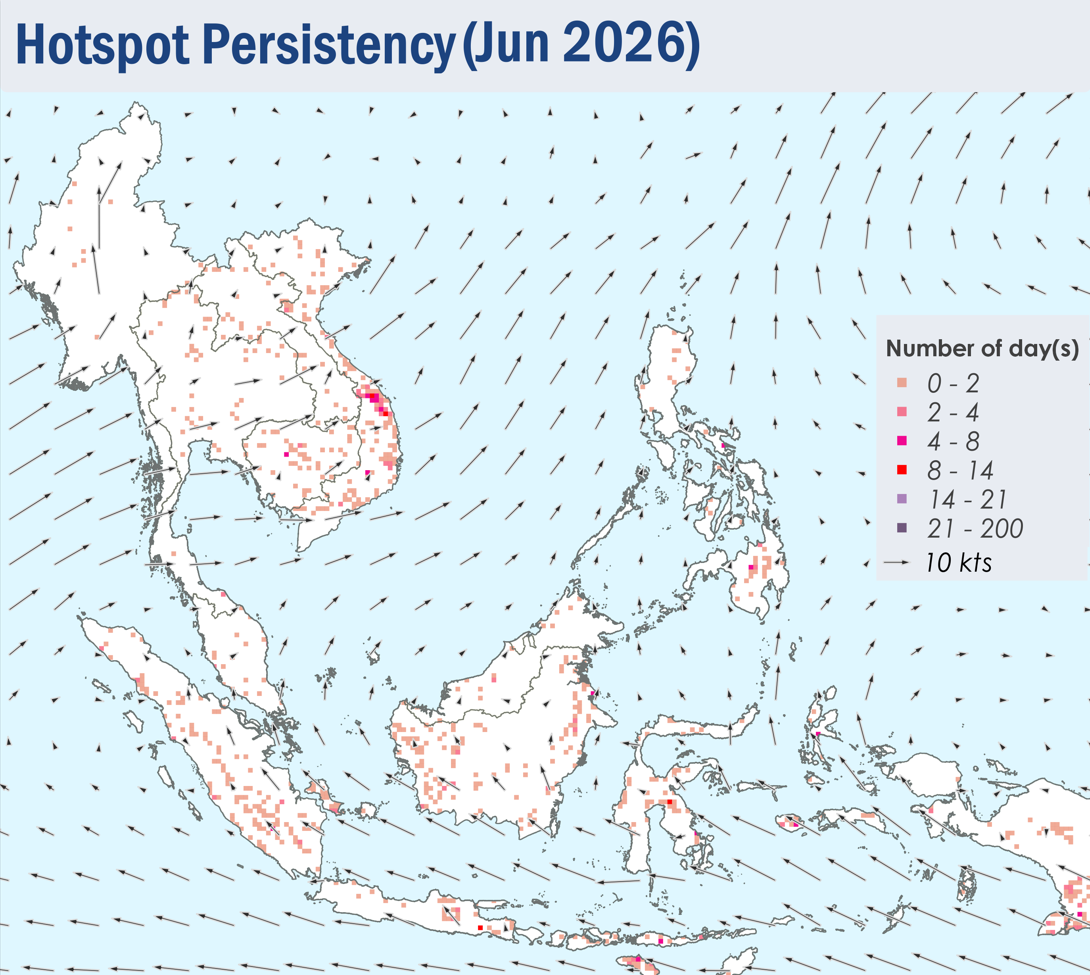
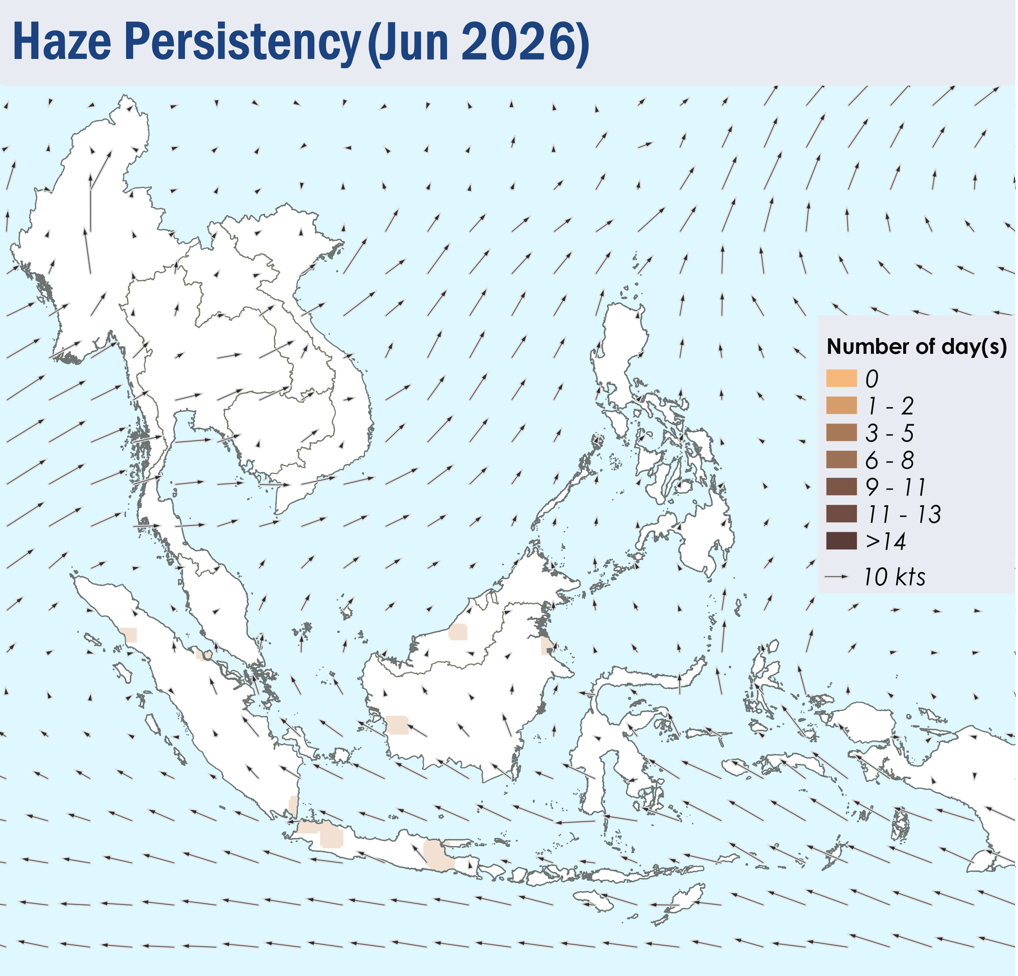
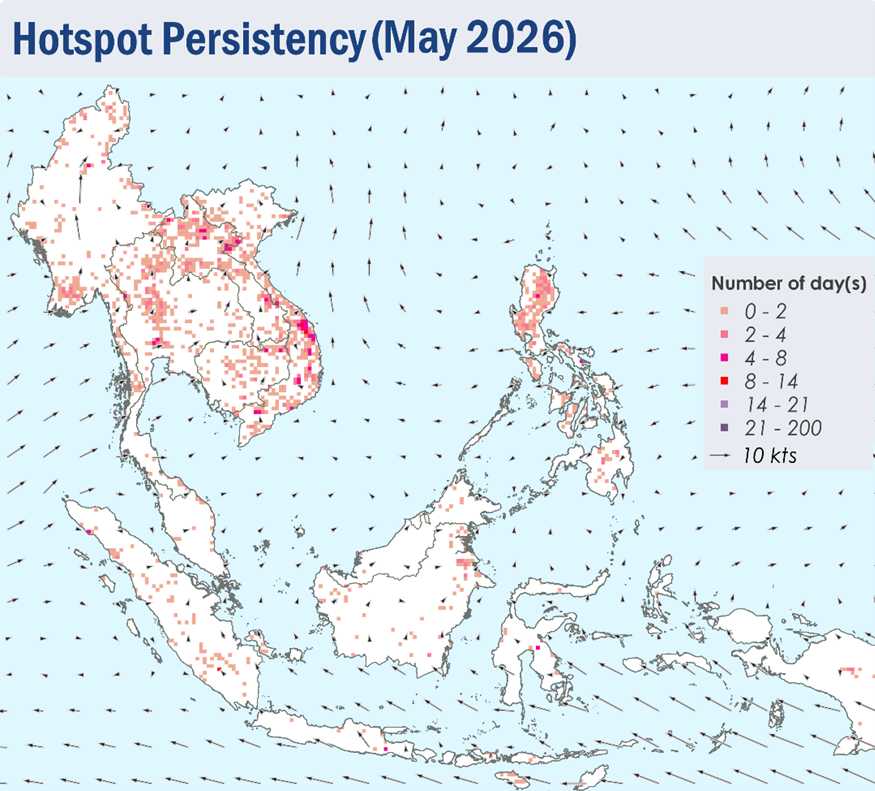
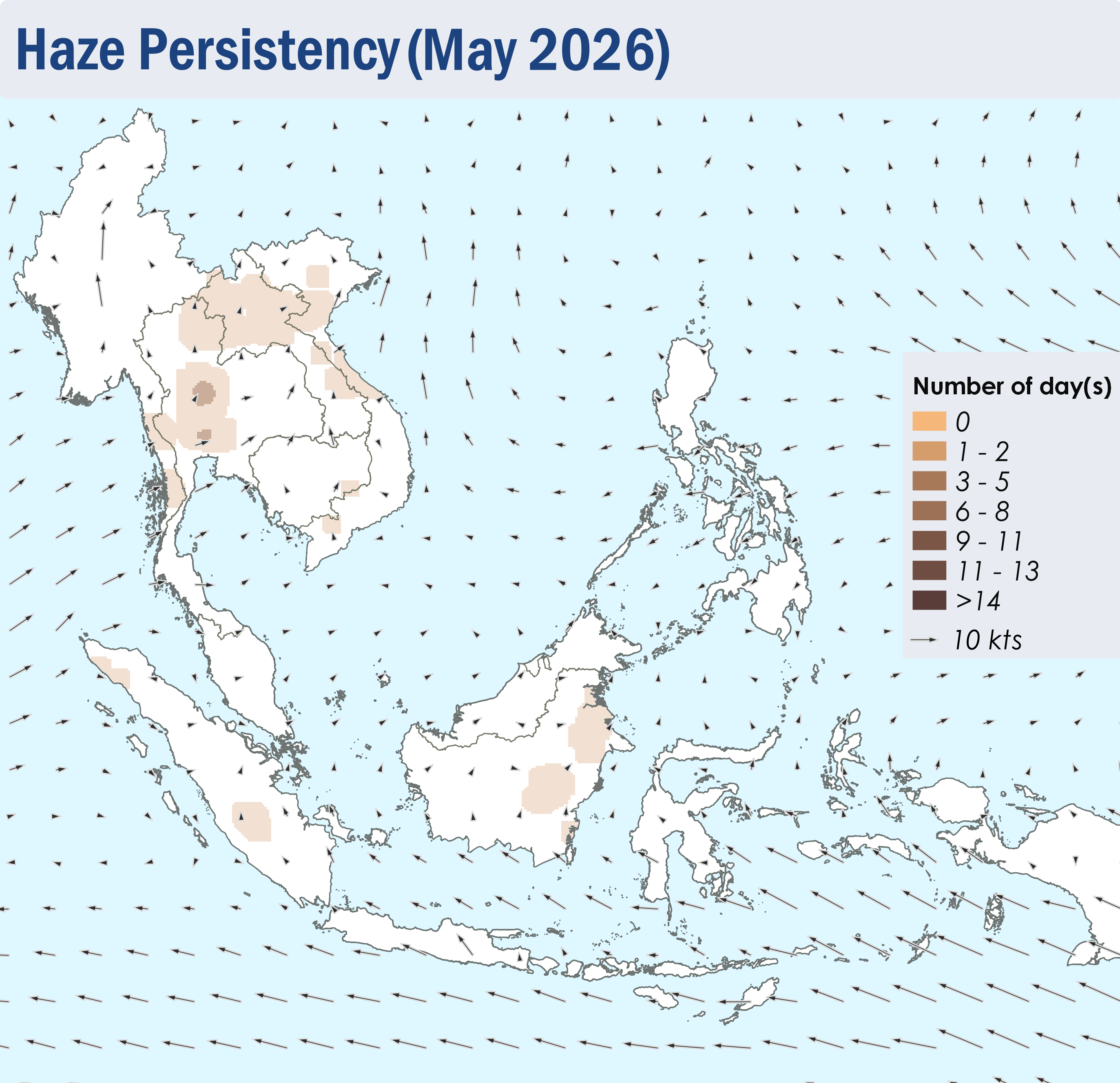
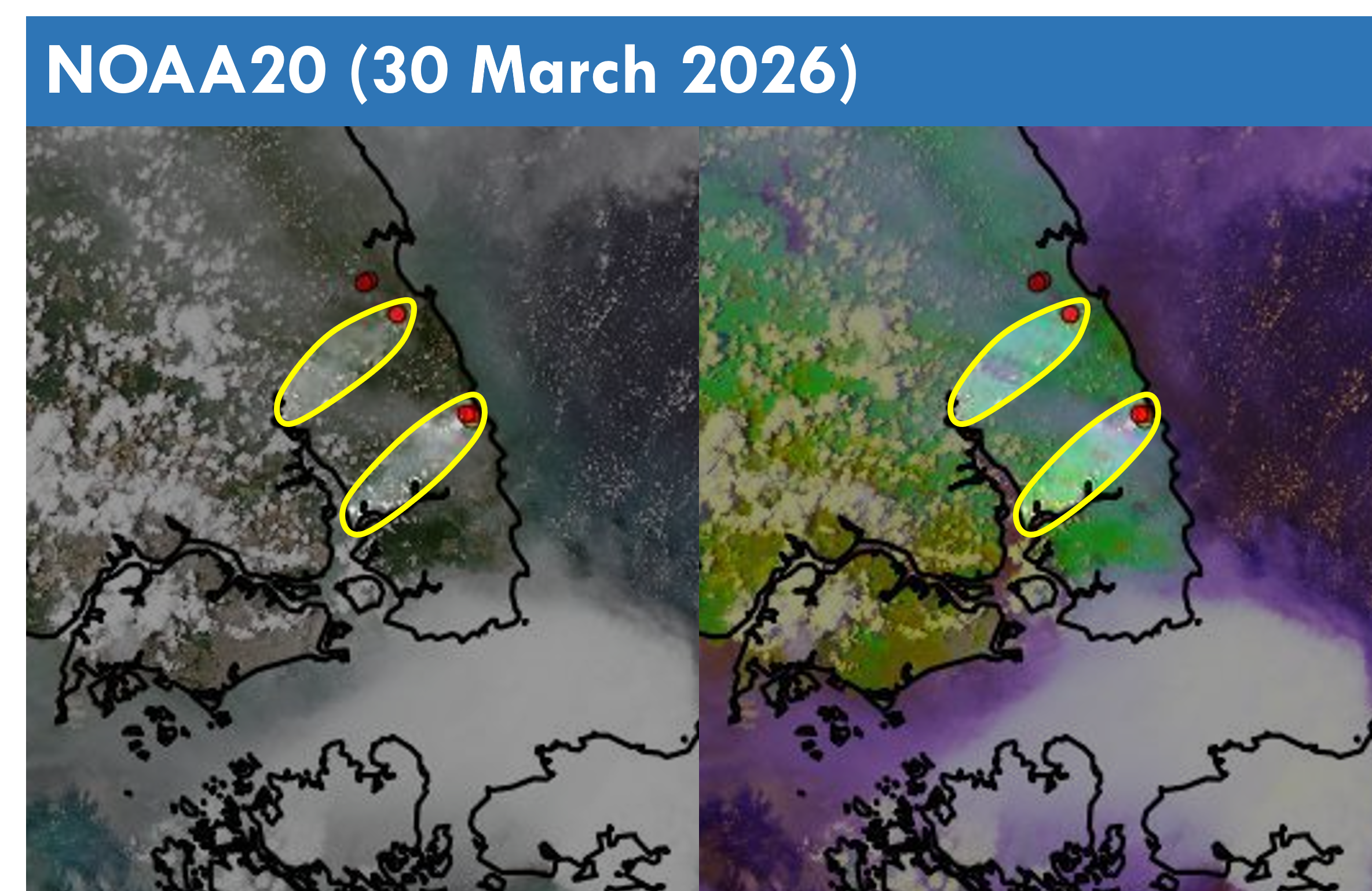
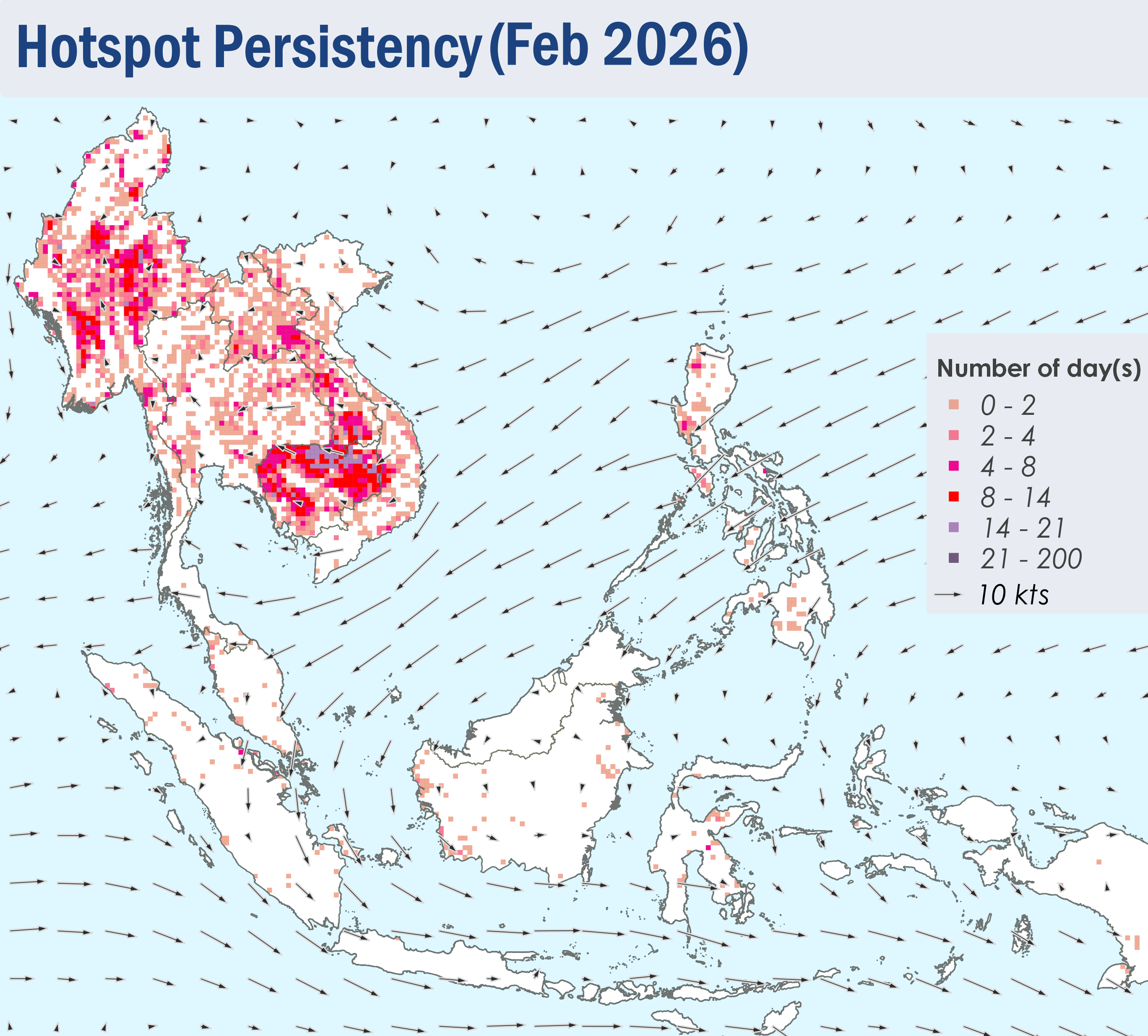
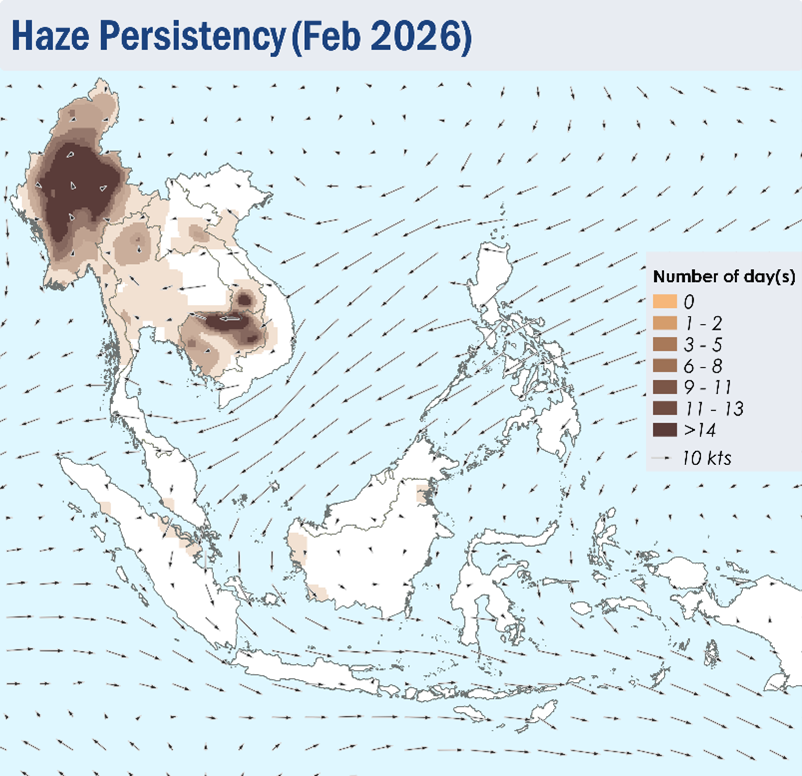
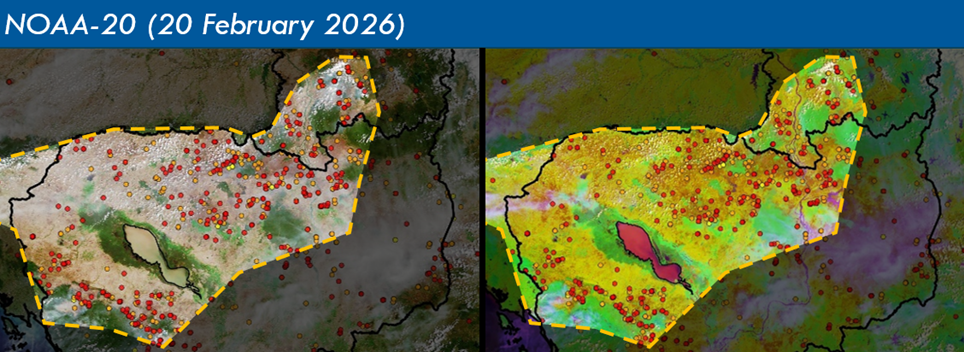
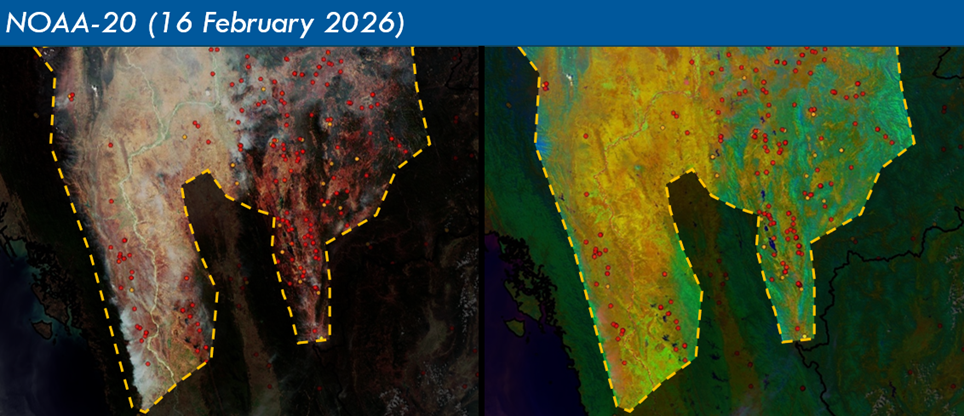
1.4 Scattered to widespread hotspots were often observed over the northern and western parts of Cambodia as well as the southern parts of Lao PDR (Figure 4), leading to moderate to dense smoke plumes observed over these areas for many days during February 2026 (Figure 6). Transboundary smoke haze would occasionally occur from the southern parts of Lao PDR to the northern parts of Cambodia, as well as from the western parts of Cambodia to the central parts of Thailand (Figure 8 & 9) . Moderate to dense smoke haze was observed to persist over the central and northern parts of Myanmar under the prevailing light winds situation (Figure 6 and 9 ). In the southern ASEAN region, Smoke plumes were also observed in the southern parts of Peninsular Malaysia, the central parts of Sumatra and in West Kalimantan for a few days in the month. (Figure 6 and 7 )


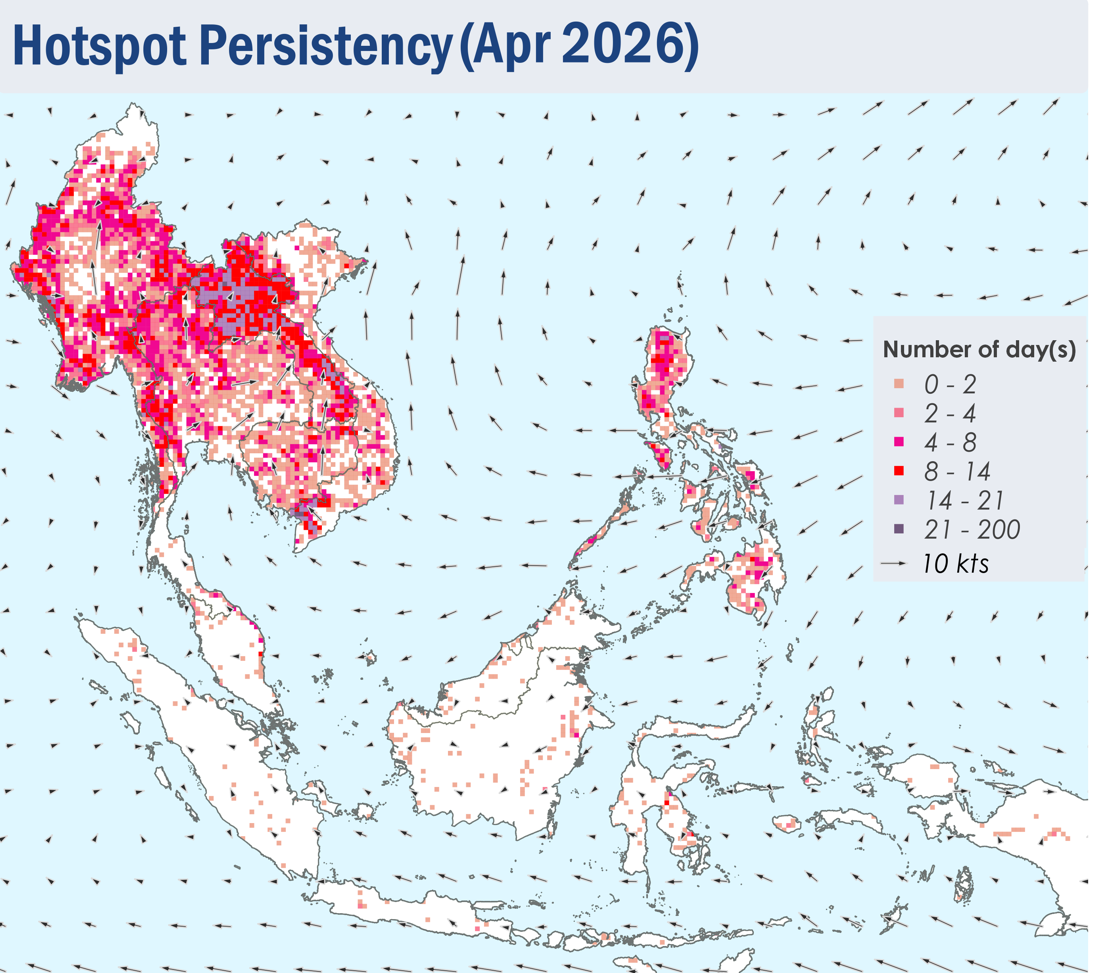
Figure 4: Distribution of hotspots detected in February 2026 based on NOAA-20 satellite surveillance.


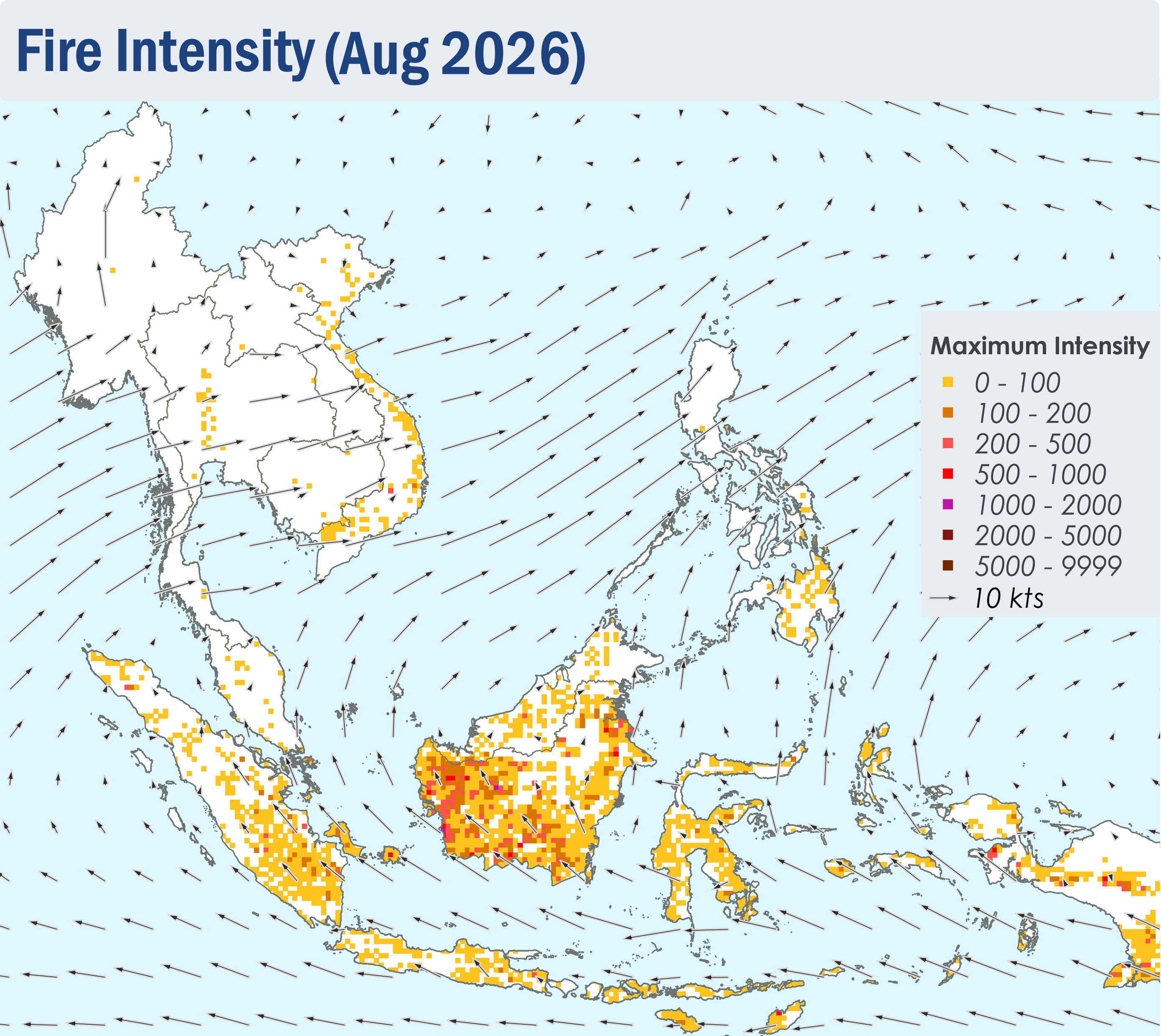
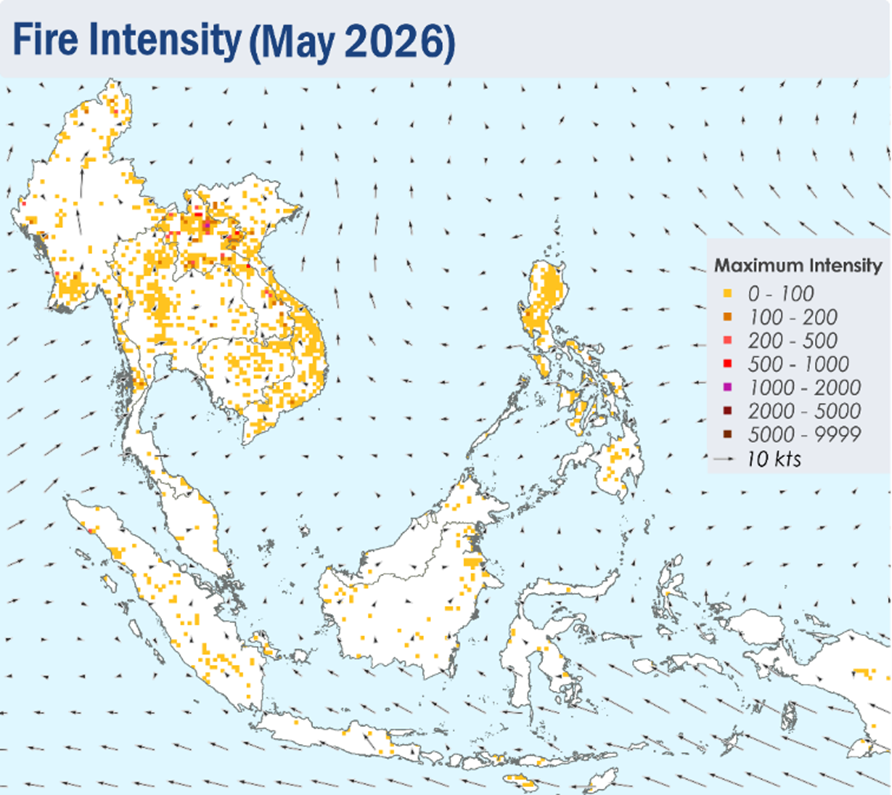
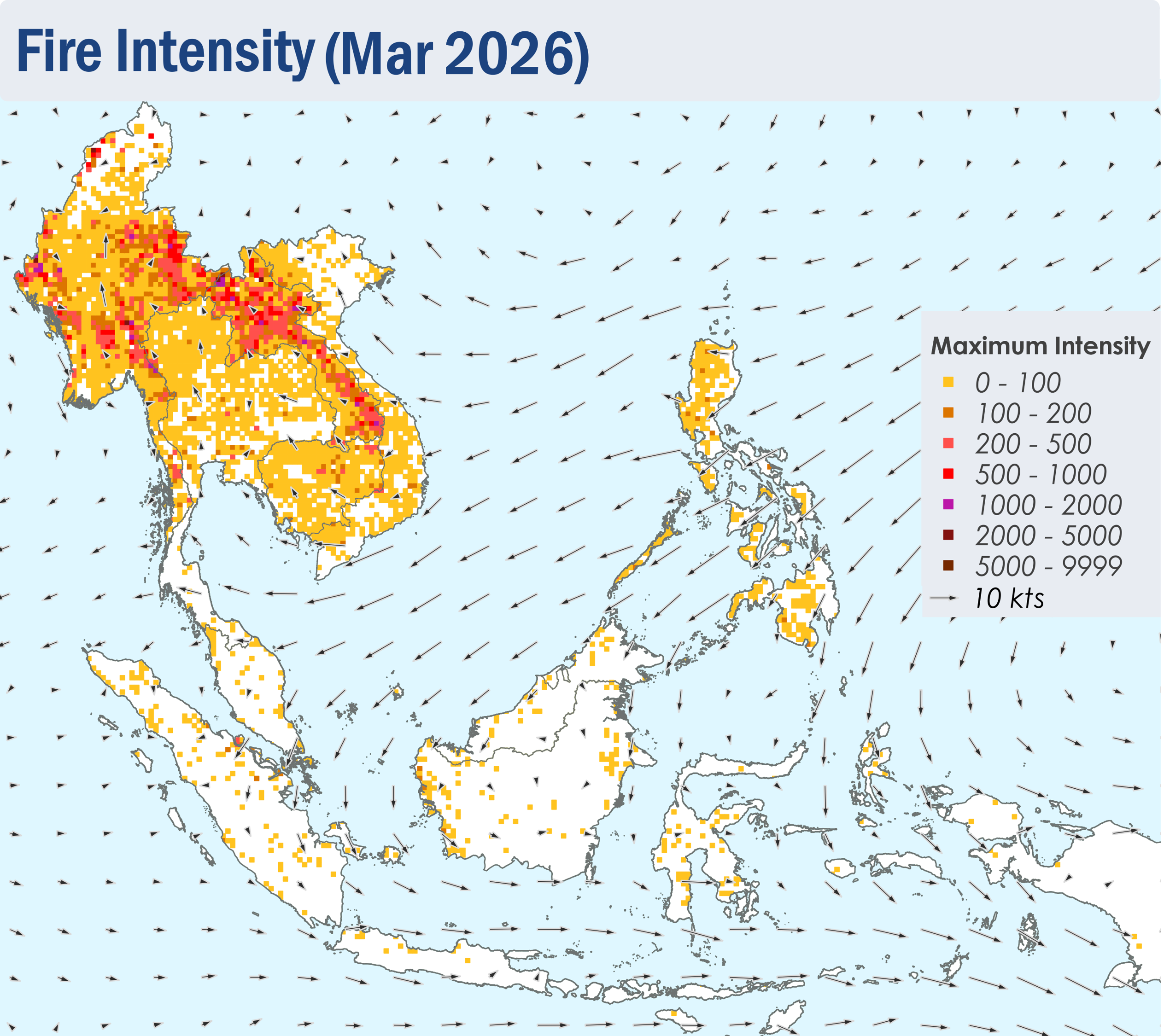
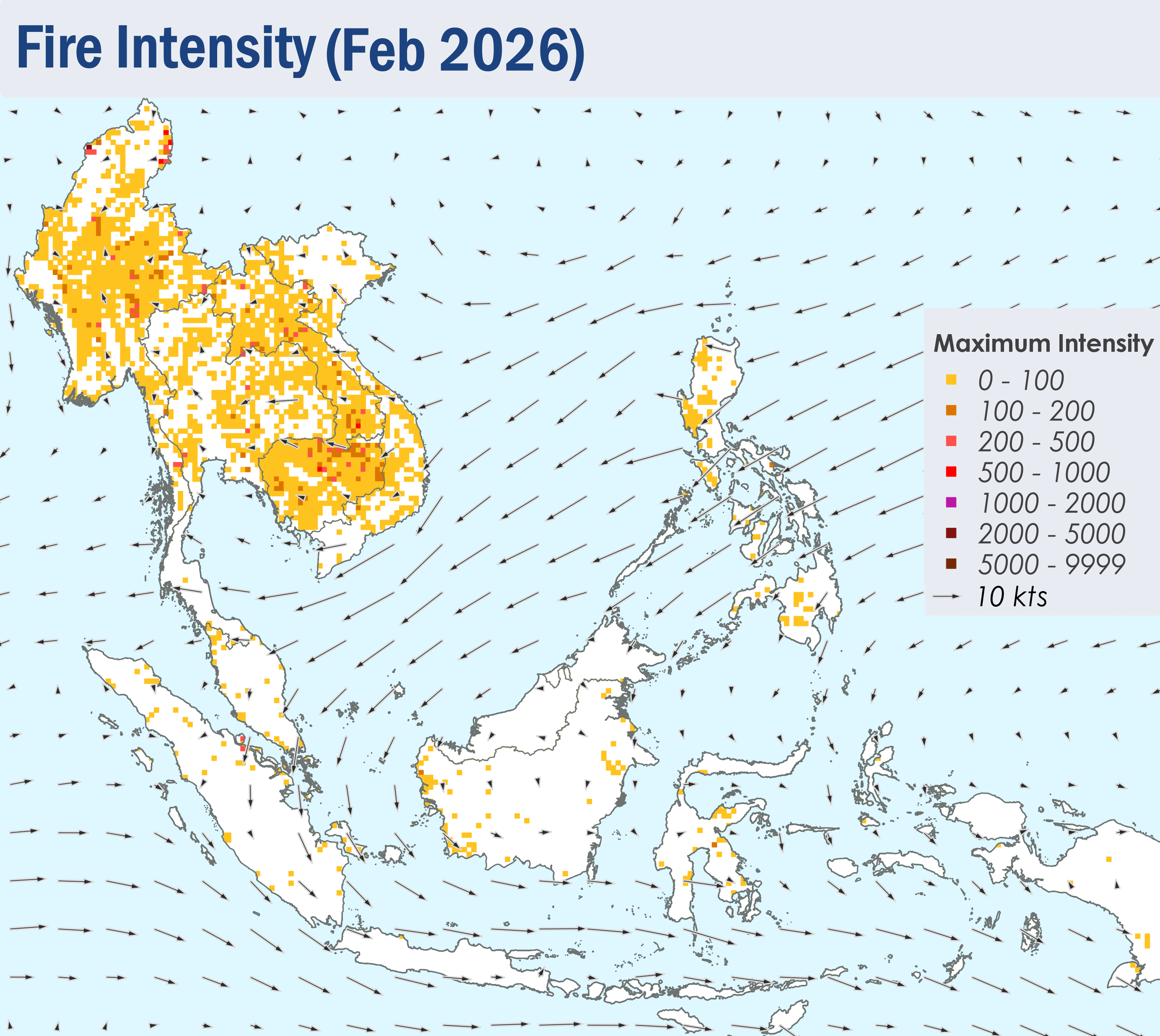
Figure 5: Maximum fire intensity in February 2026 based on NOAA-20 satellite surveillance.


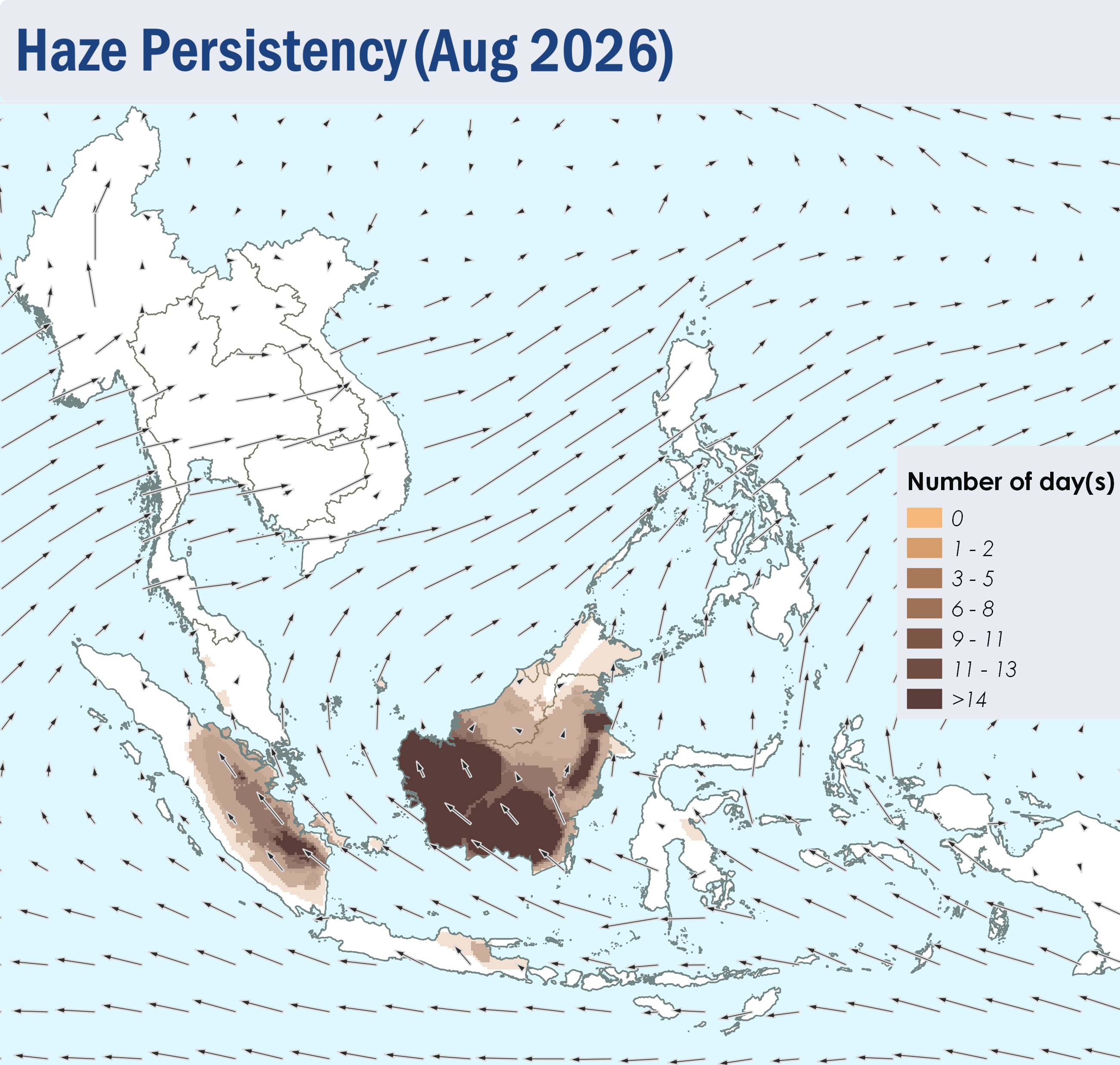
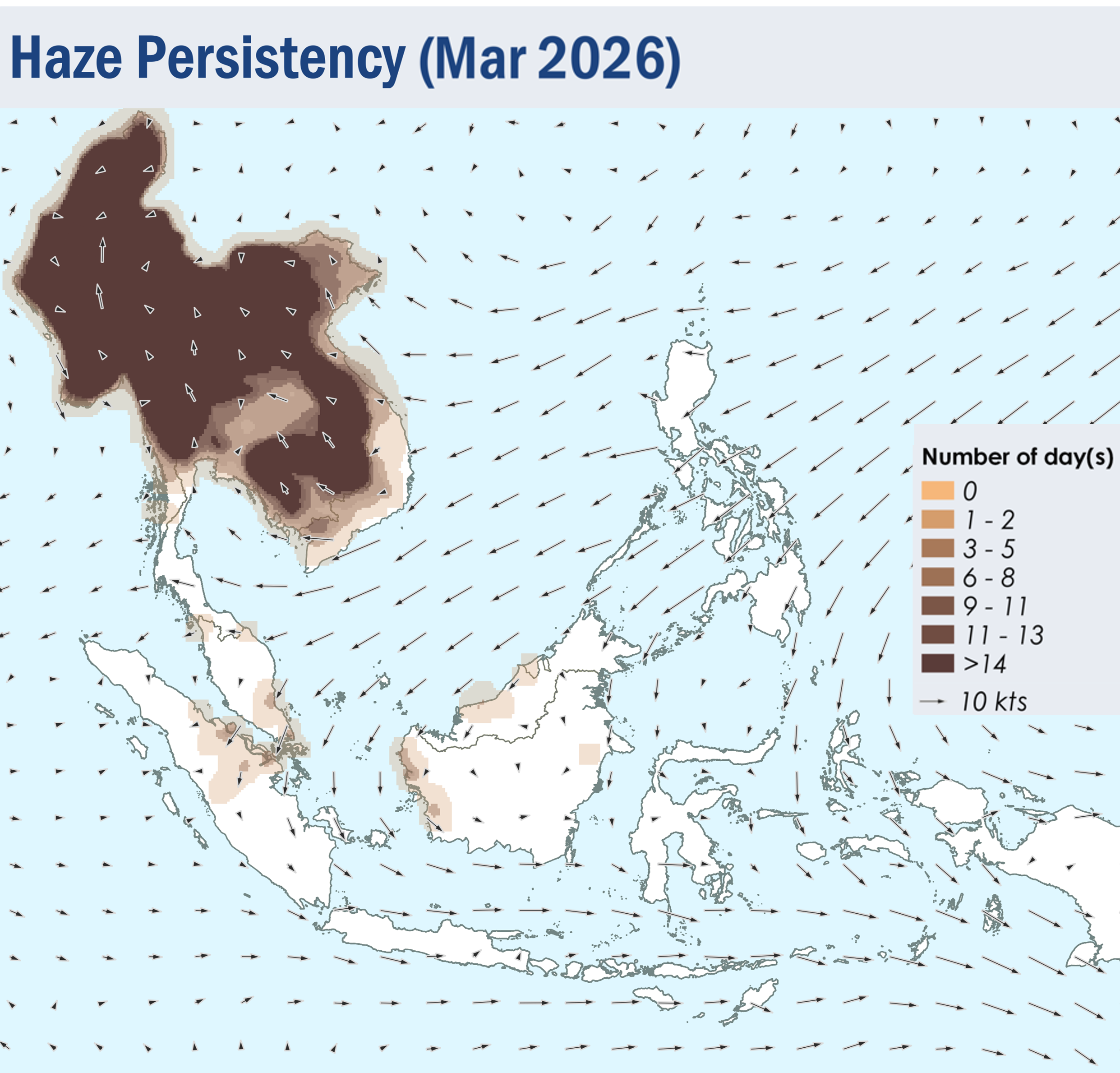
Figure 6: Number of days with moderate to dense smoke haze observed in February 2026 based on satellite imagery, ground observations, and air quality reports.


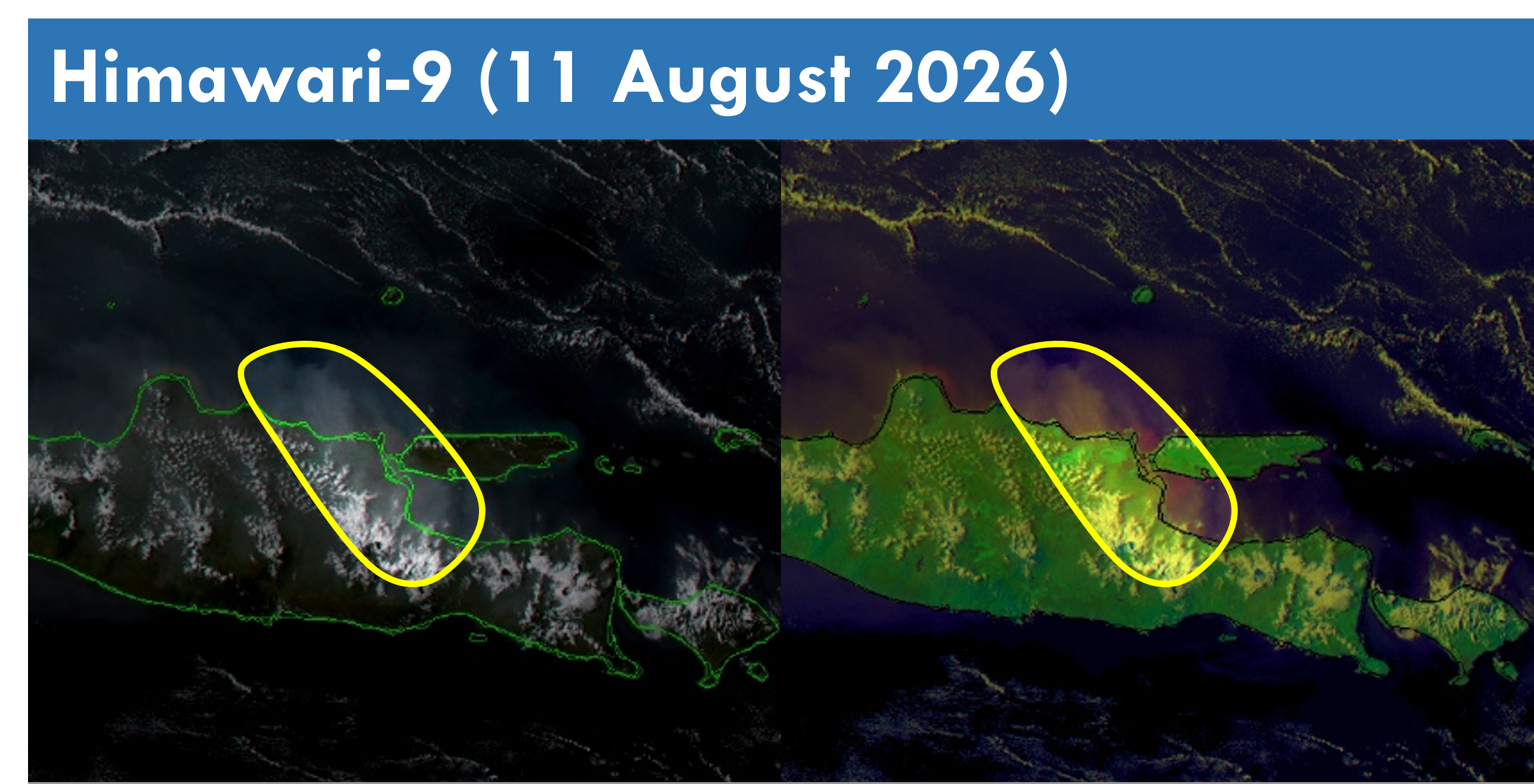
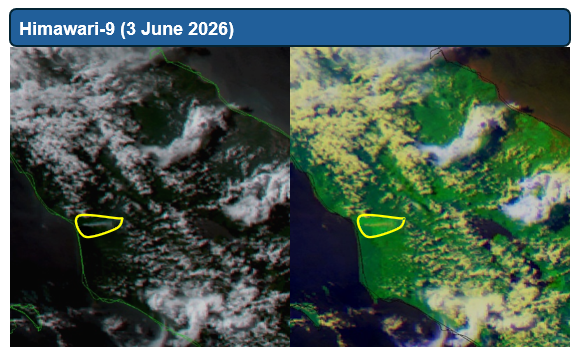
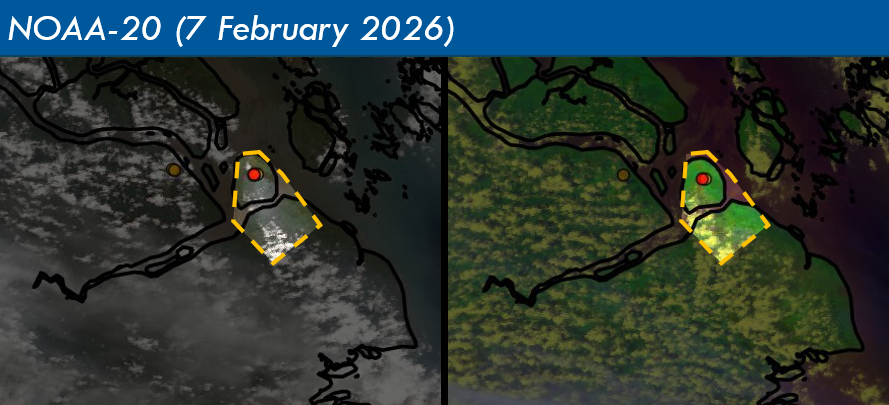
Figure 7: Moderate smoke plume observed over the central parts of Sumatra on 7 February 2026. (Source: NOAA-20 satellite surveillance)


Figure 8: Moderate to dense smoke plumes observed over Cambodia and Lao PDR on 20 February 2026, with transboundary haze drifting from Lao PDR to Cambodia. (Source: NOAA-20 satellite surveillance)


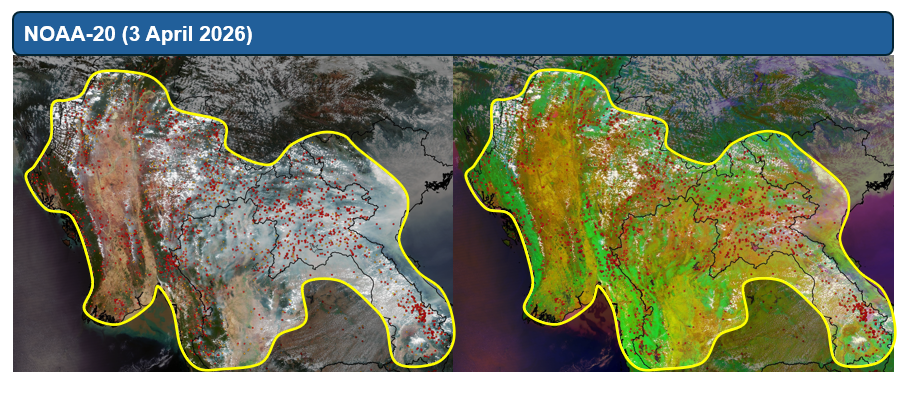
Figure 9: Moderate to dense smoke plumes over the central parts of Myanmar on 16 February 2026. (Source: NOAA-20 satellite surveillance)


February 16, 2026

Review of Regional Haze Situation for January 2026

Review of Regional Haze Situation for January 2026

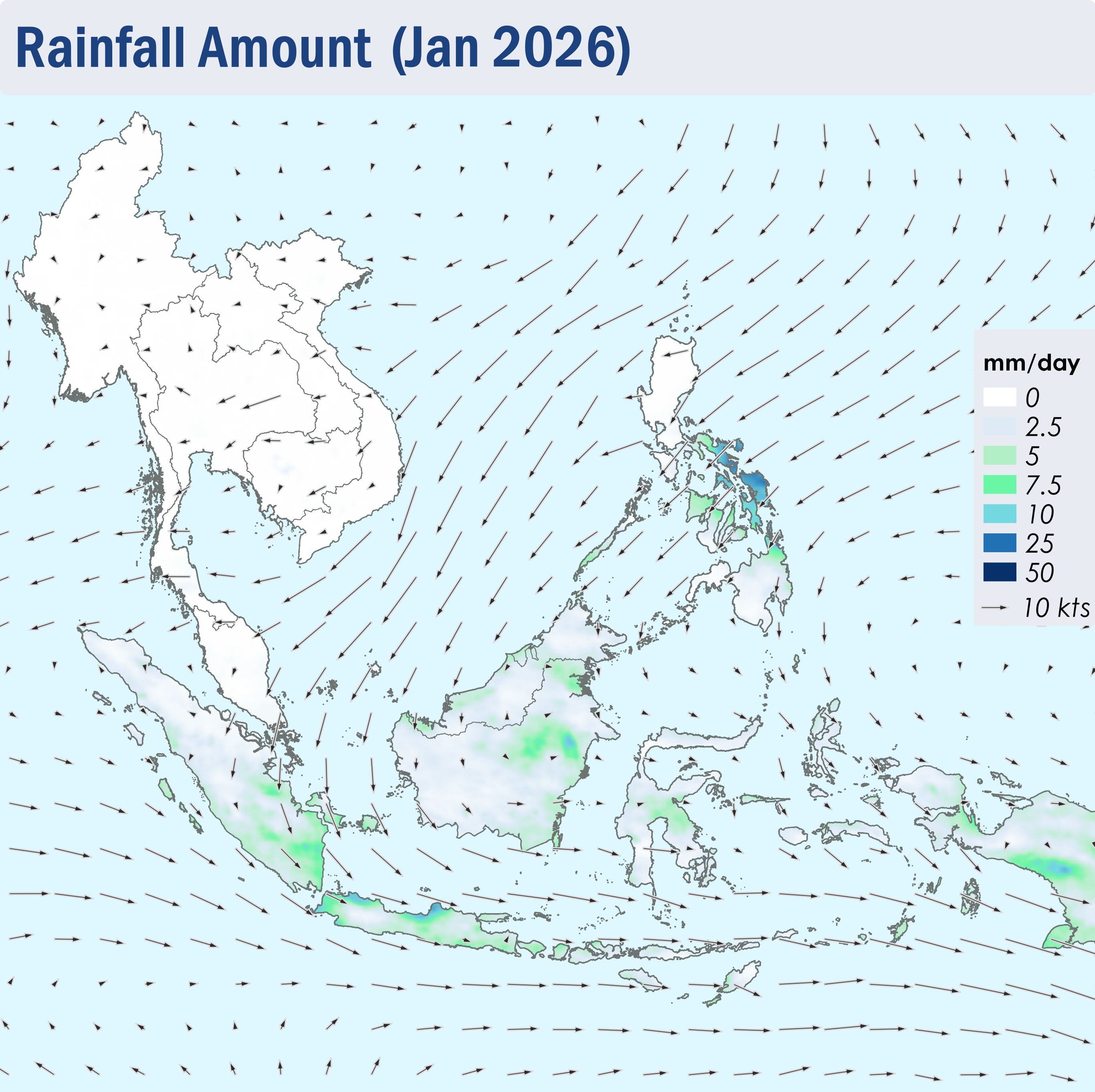
1.1 The Northeast Monsoon continued over the ASEAN region throughout January 2026. The prevailing low-level winds over regions north of the Equator blew mainly from the northeast to east, except over the northern parts of the Mekong sub-region where the winds were light and variable in direction (Figure 1). Over regions south of the Equator, the prevailing low-level winds blew mainly from the west to north (Figure 1).

1.2 Dry weather persisted over the Mekong sub-region, Peninsular Malaysia and the northern parts of the Philippines in January 2026. Showers were observed elsewhere in the ASEAN region (Figure 1), with the areas south of the Equator, the eastern parts of Borneo and the central parts of the Philippines experiencing higher rainfall. The latter was due to the influence of Tropical Storm NOKAEN.

Figure 1: Average Daily Rainfall and Mean Winds for January 2026. (Source: JAXA GsMaP and GFS, respectively)


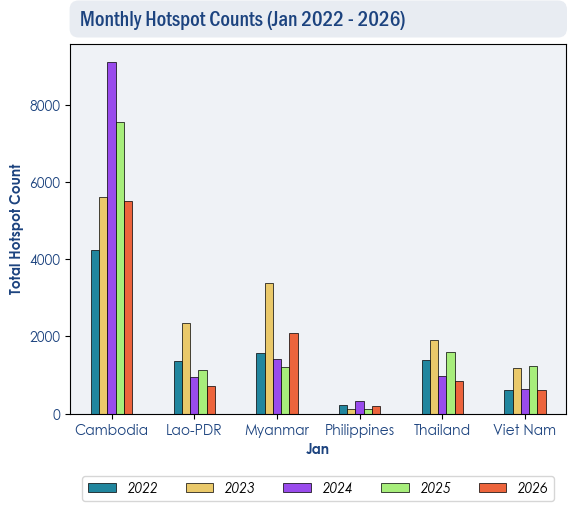
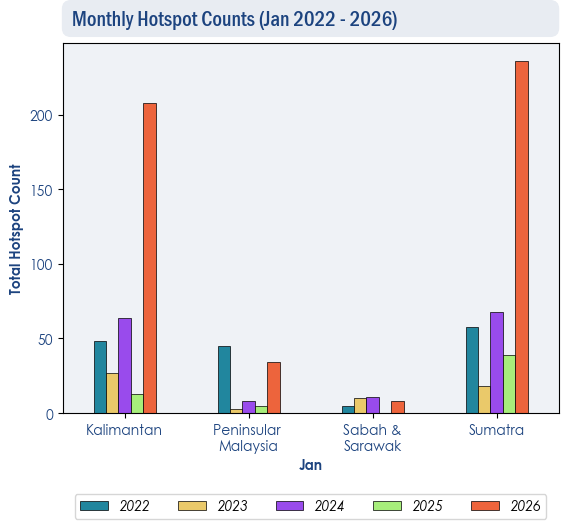
1.3 The hotspot counts over the northern ASEAN region were generally lower than or comparable to those recorded in the same month during previous years (Figure 2). Over the southern ASEAN region, the hotspot counts were mostly higher compared to previous years, especially over Kalimantan and Sumatra, where there was a significant increase in hotspot activity, with the highest count recorded in five years (Figure 3).


Figure 2: Hotspot counts for the northern ASEAN region for January (2022-2026) based on NOAA-20 satellite surveillance.


Figure 3: Hotspot counts for the southern ASEAN region for January (2022-2026) based on NOAA-20 satellite surveillance.


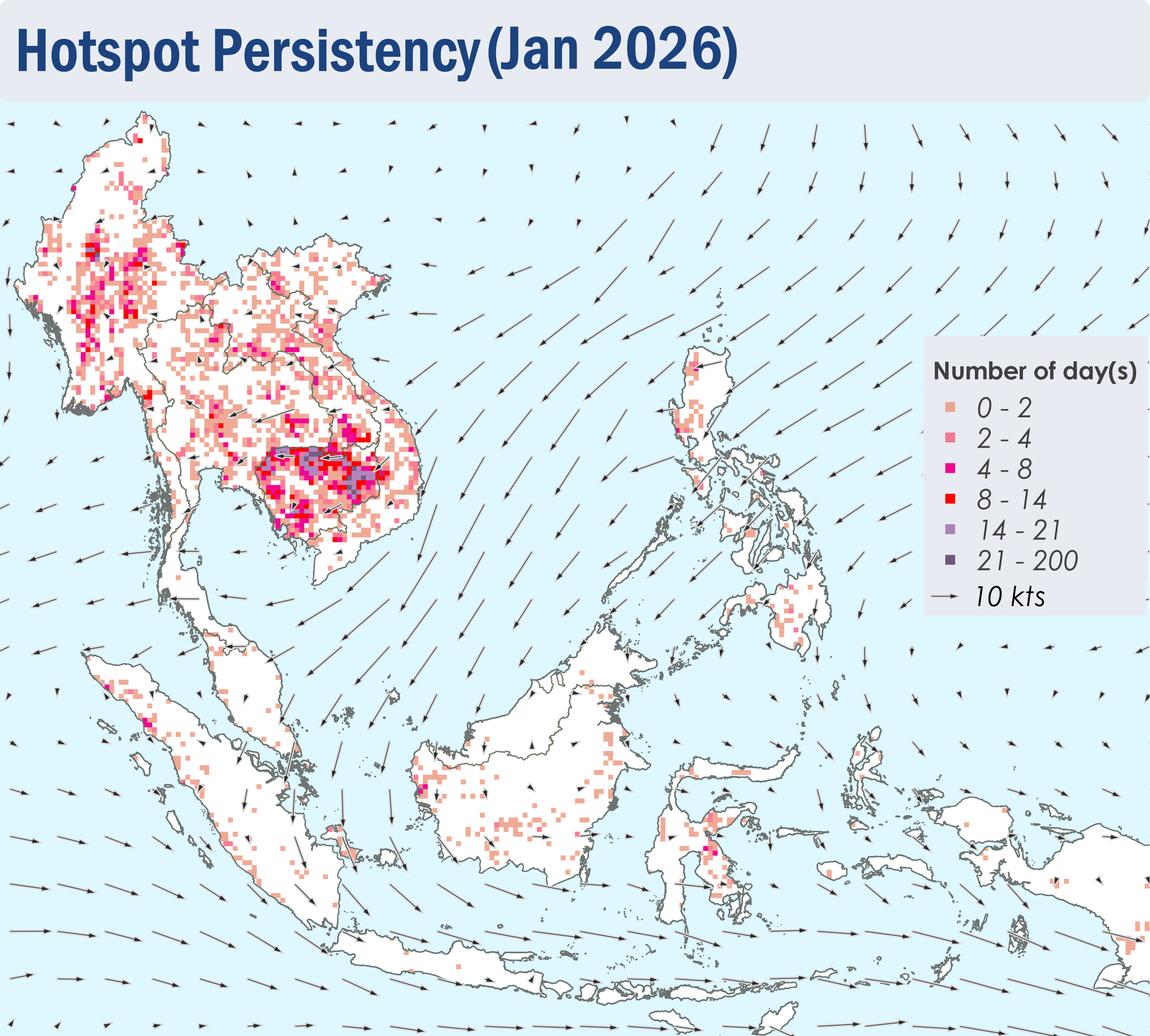
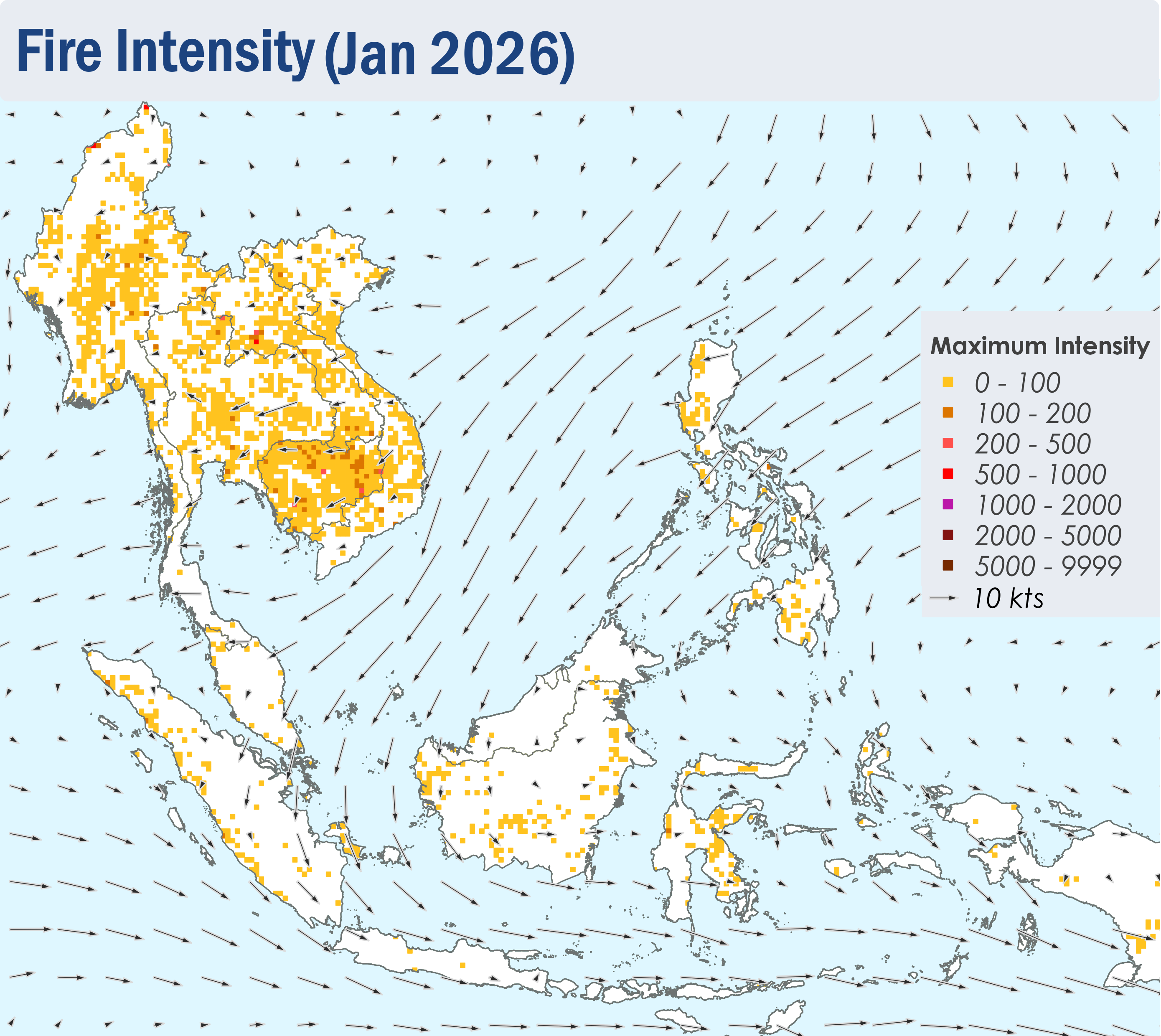
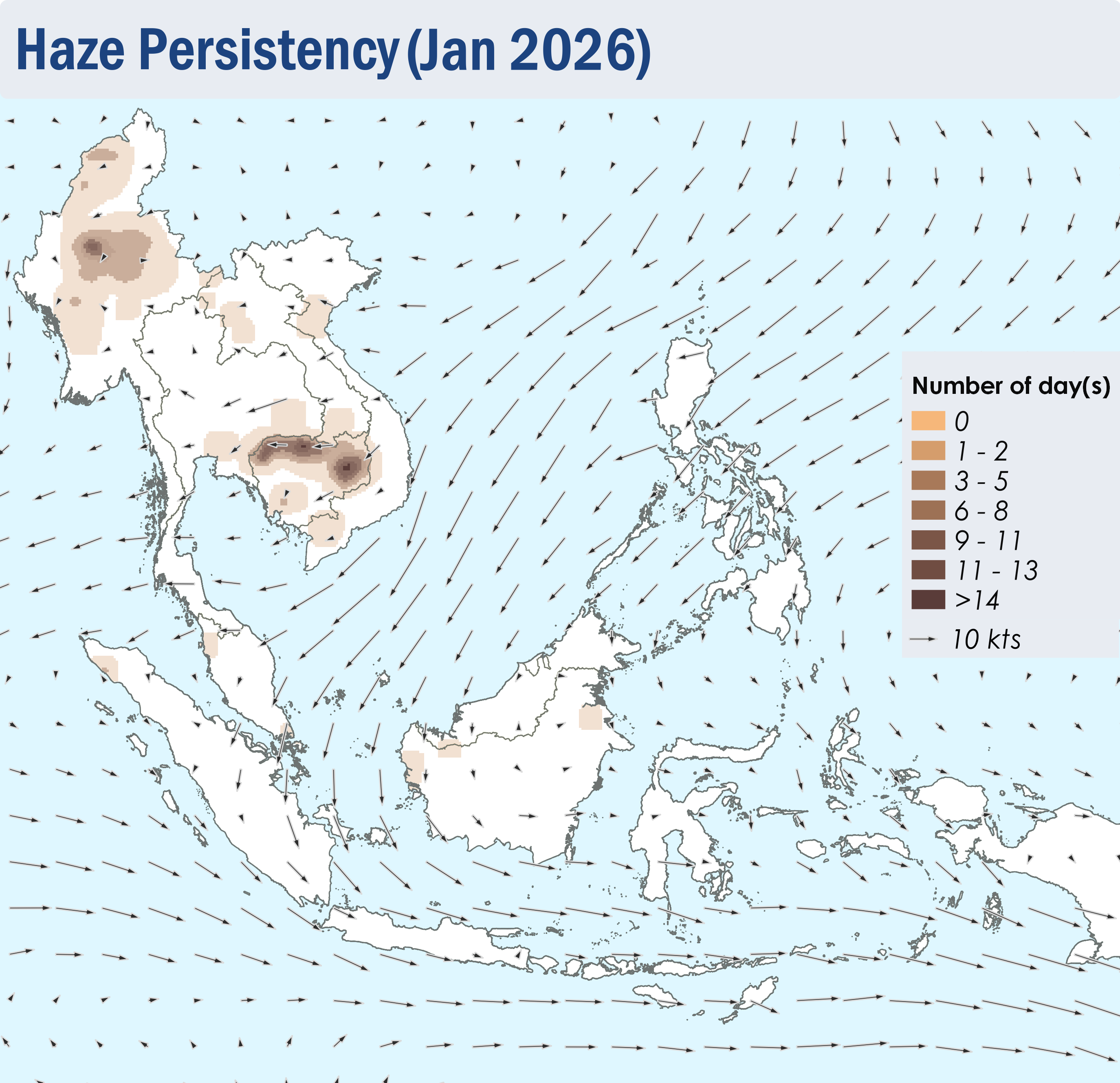
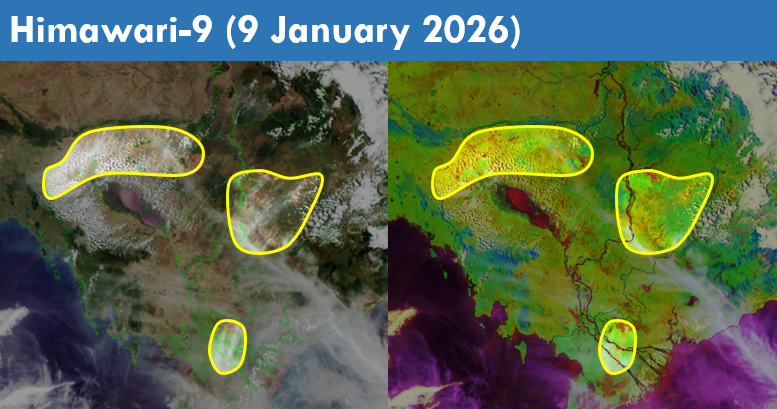
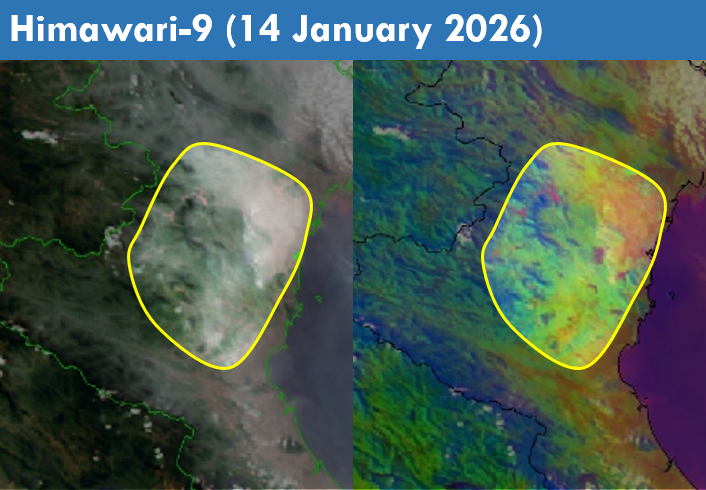
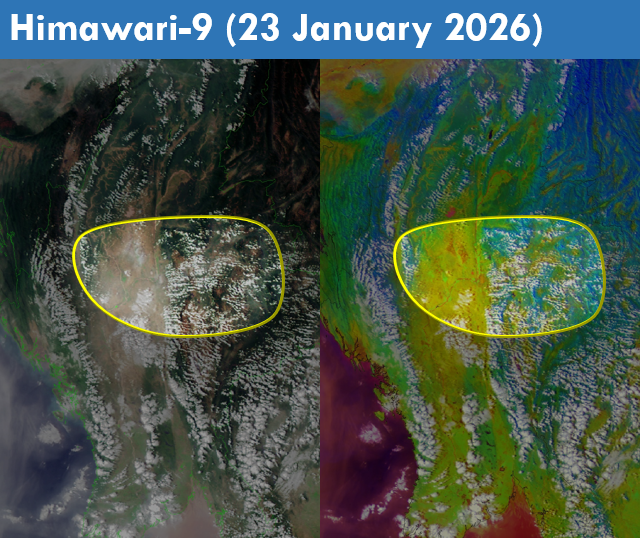
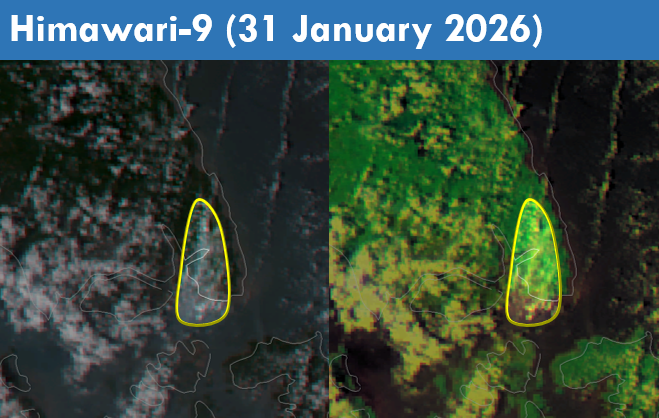
1.4 Persistent and intense hotspots were detected mostly in Cambodia, Myanmar and the southern parts of Lao PDR (Figures 4 and 5). During prolonged periods of dry weather, moderate and persistent smoke plumes were observed mainly over the central parts of Myanmar and the northern parts of Cambodia. Smoke plumes were also observed over the other parts of the Mekong sub-region, Sumatra, Peninsular Malaysia and Kalimantan (Figures 6 to 10).
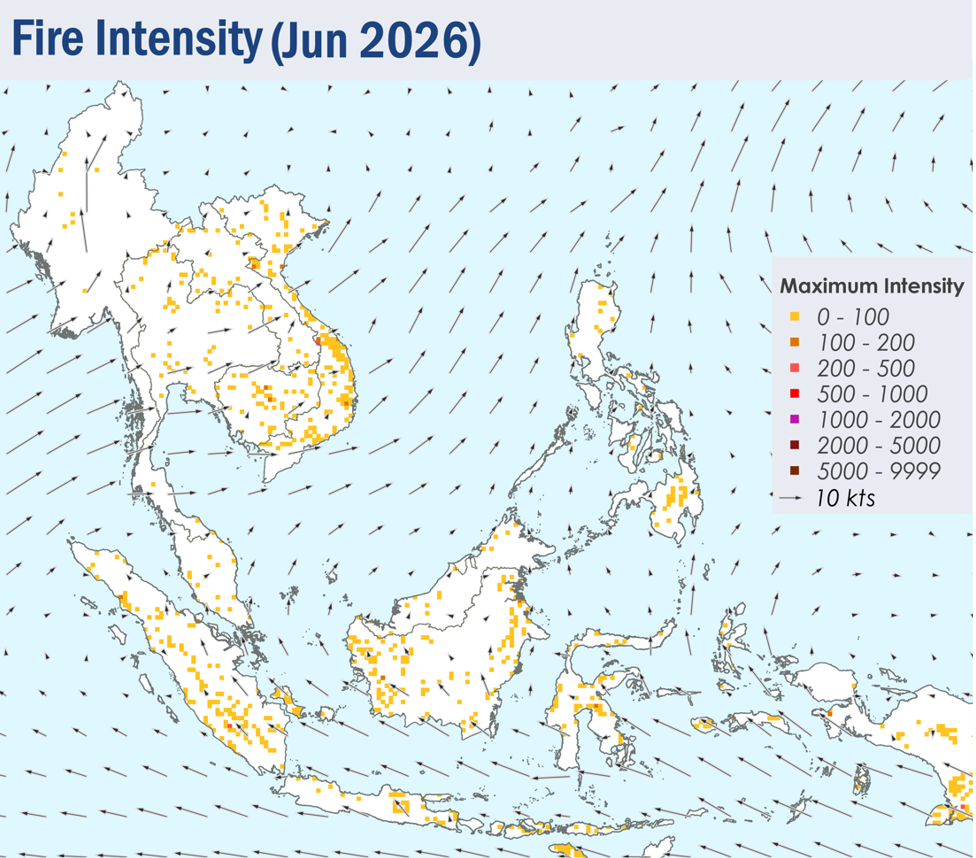
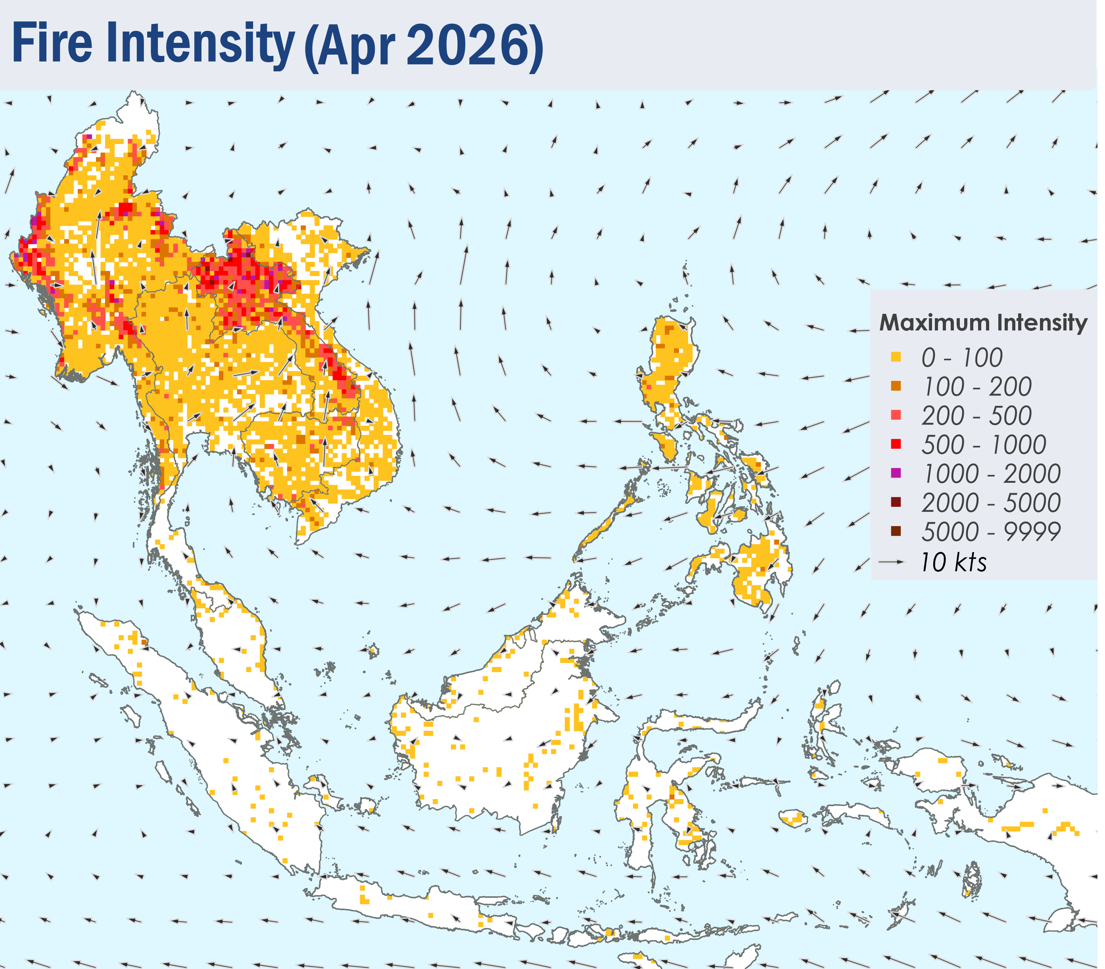
 

Figure 4: Distribution of hotspots detected in January 2026 based on NOAA-20 satellite surveillance.
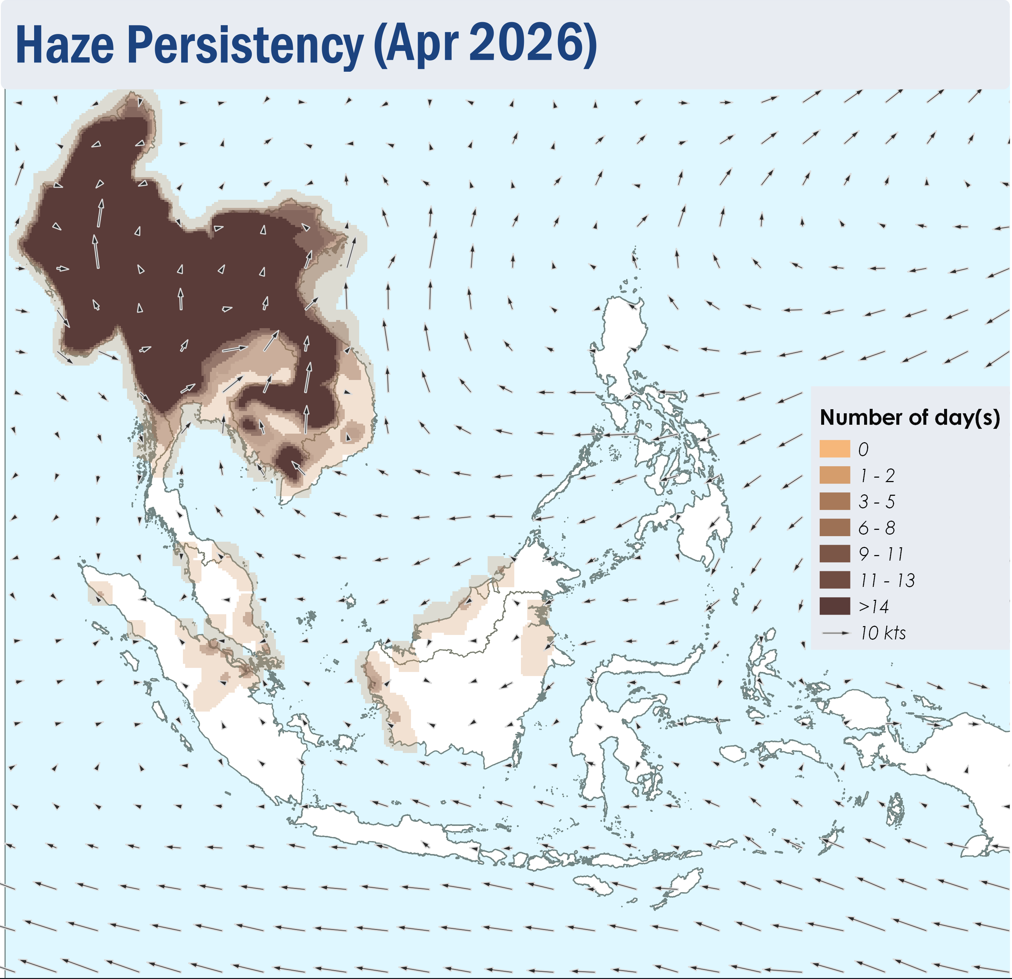
 

Figure 5: Maximum fire intensity in January 2026 based on NOAA-20 satellite surveillance.


Figure 6: Number of days with moderate to dense smoke haze observed in January 2026 based on satellite imagery, ground observations, and air quality reports.


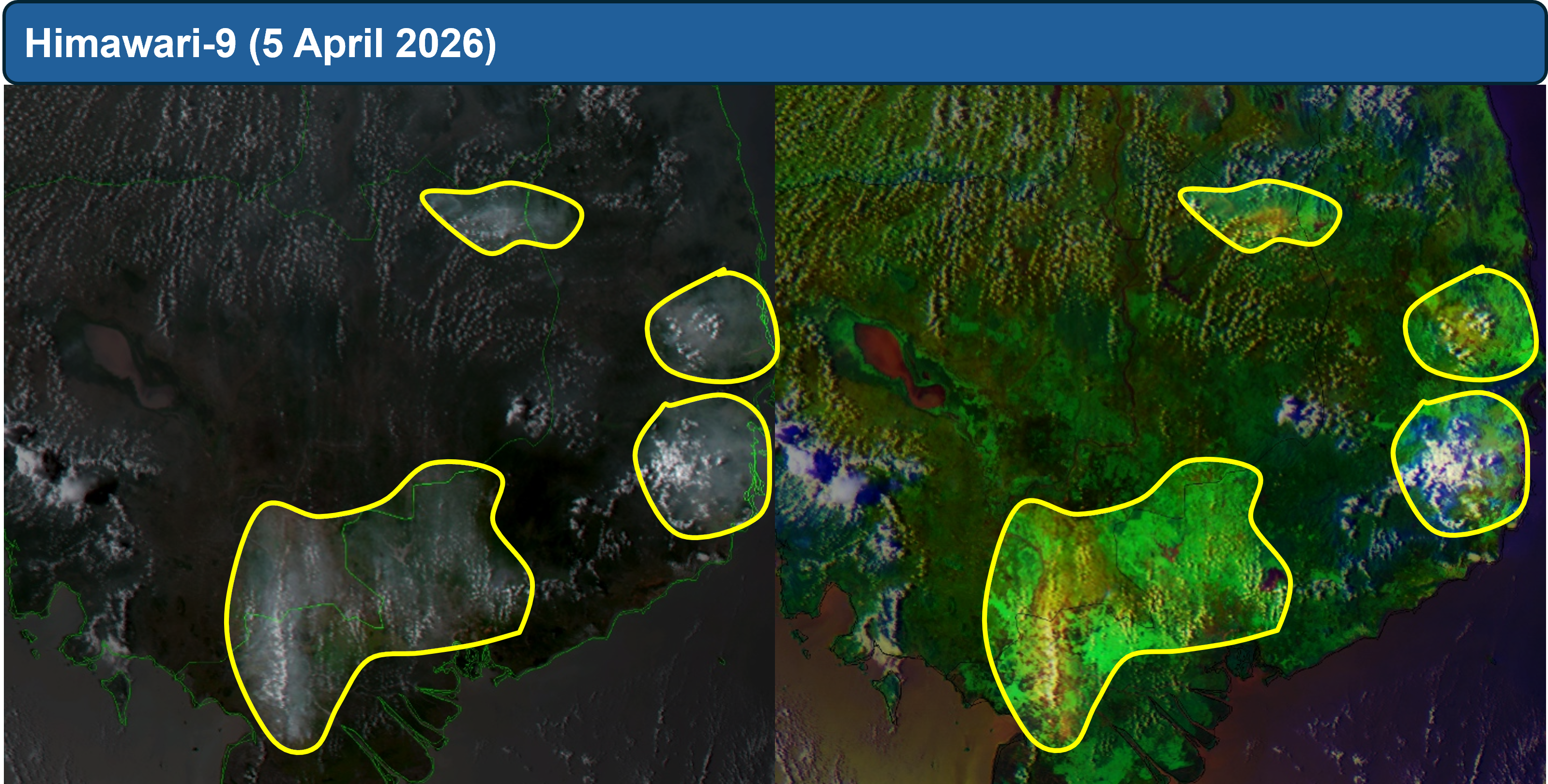
Figure 7: Slight to moderate localized smoke plumes observed over the northern and eastern parts of Cambodia, as well as the southern parts of Viet Nam on 9 January 2026. (Source: Himawari-9 satellite surveillance)


Figure 8: Slight to moderate localized smoke plumes observed over the northern parts of Viet Nam on 14 January 2026. (Source: Himawari-9 satellite surveillance)


Figure 9: Slight to moderate localized smoke plumes observed over the central parts of Myanmar on 23 January 2026. (Source: Himawari-9 satellite surveillance)


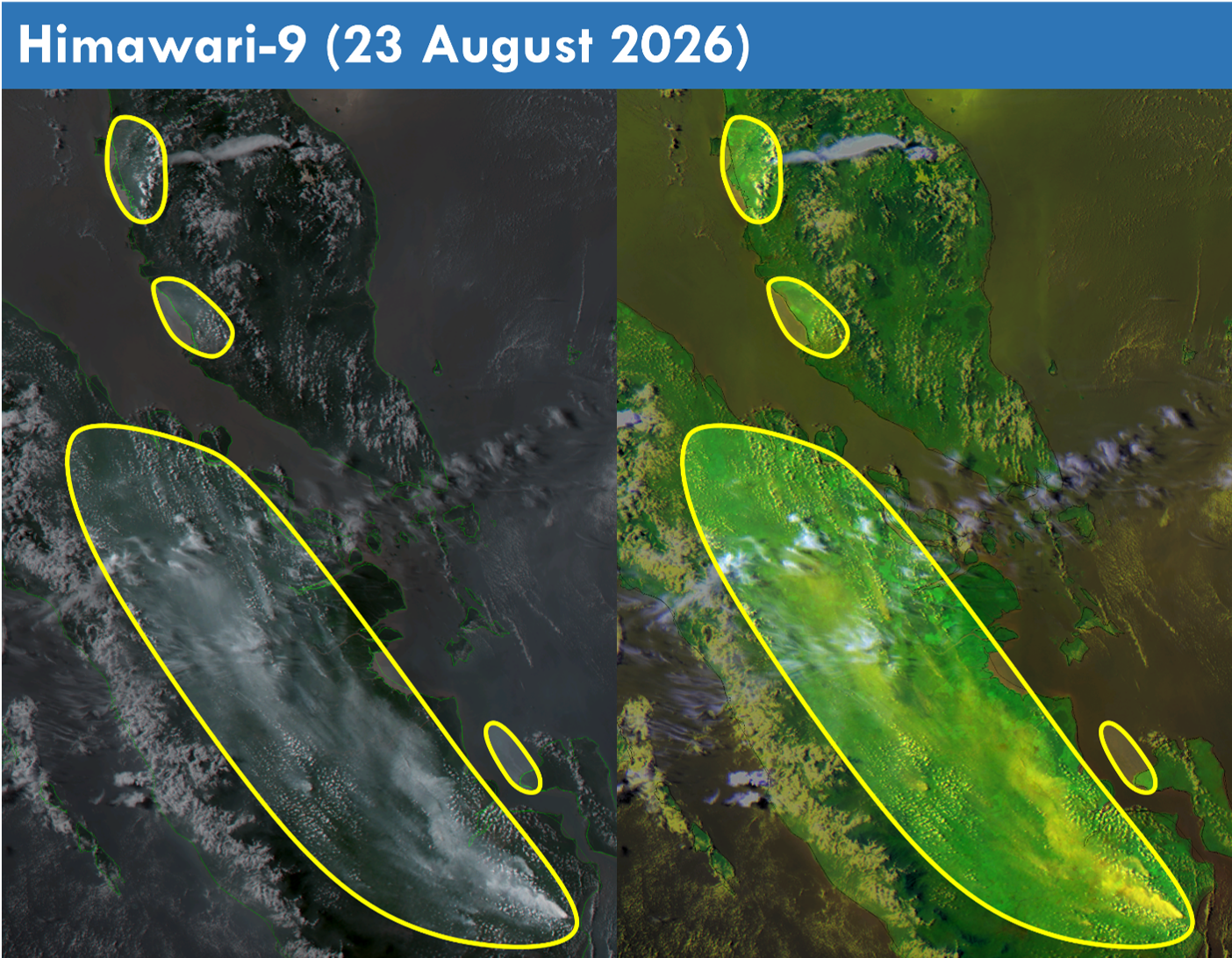
Figure 10: A moderate smoke plume observed over the eastern parts of Johor on 31 January 2026. (Source: Himawari-9 satellite surveillance)