Monthly Archives: May 2026

May 20, 2026

Subseasonal Weather Outlook (25 May – 7 June 2026)

Subseasonal Weather Outlook (25 May – 7 June 2026)

Issued: 20 May 2026
First forecast week: 25 – 31 May 2026
Second forecast week: 1 – 7 June 2026

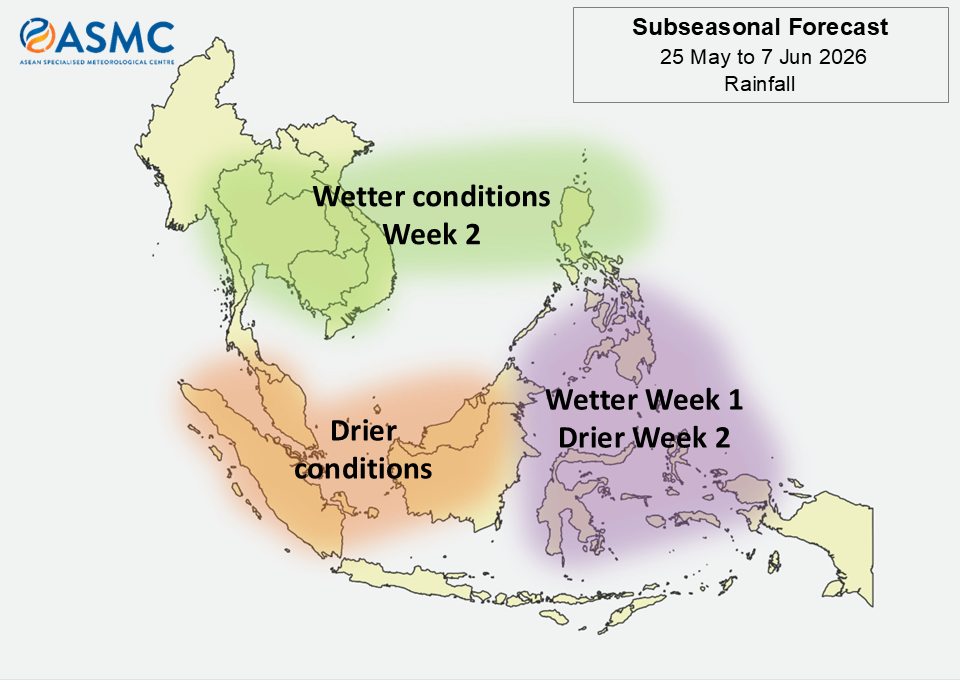
figure1

Figure 1: Rainfall Outlook

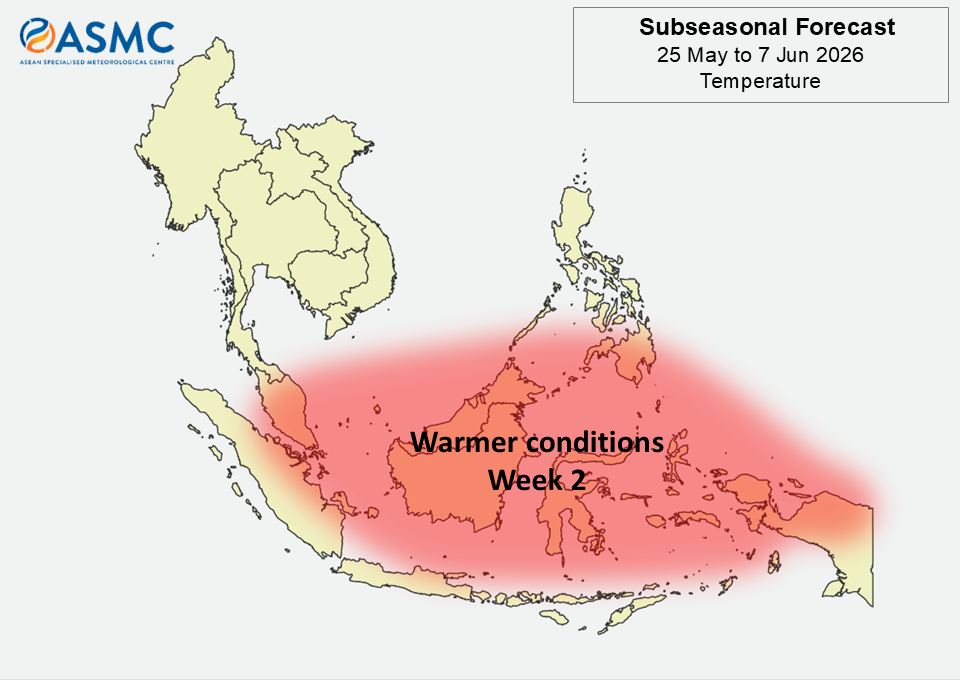
figure2

Figure 2: Temperature Outlook

Over much of the eastern Maritime Continent, wetter conditions are predicted in Week 1 (25 – 31 May) and drier conditions in Week 2 (1 – 7 June).

Over the western half of the equatorial region, drier conditions are predicted over the next fortnight (25 May – 7 June).

Over parts of the northeastern Maritime Continent and much of Mainland Southeast Asia, wetter conditions are predicted in Week 2 (1 – 7 June).

Warmer than usual temperatures are predicted over most of the equatorial region in Week 2 (1 – 7 June), broadly in line with the predicted drier conditions for that week.

A Madden-Julian Oscillation (MJO) was present over the Indian Ocean (Phases 2 and 3) in the middle of May. The signal is expected to dissipate by the start of the forecast period.
Most models predict an MJO signal over the Western Pacific (Phases 6 and 7) in Week 1 (25 – 31 May). There is uncertainty across models whether the MJO signal will continue to propagate through the Western Hemisphere (Phases 8 and 1) in Week 2 (1 – 7 June).

The outlook is assessed for the region in general, where conditions are relative to the average conditions for the corresponding time of year. For specific updates on the national scale, the relevant ASEAN National Meteorological and Hydrological Services should be consulted.

Review of Regional Weather for April 2026

Review of Regional Weather for April 2026


1. Overview

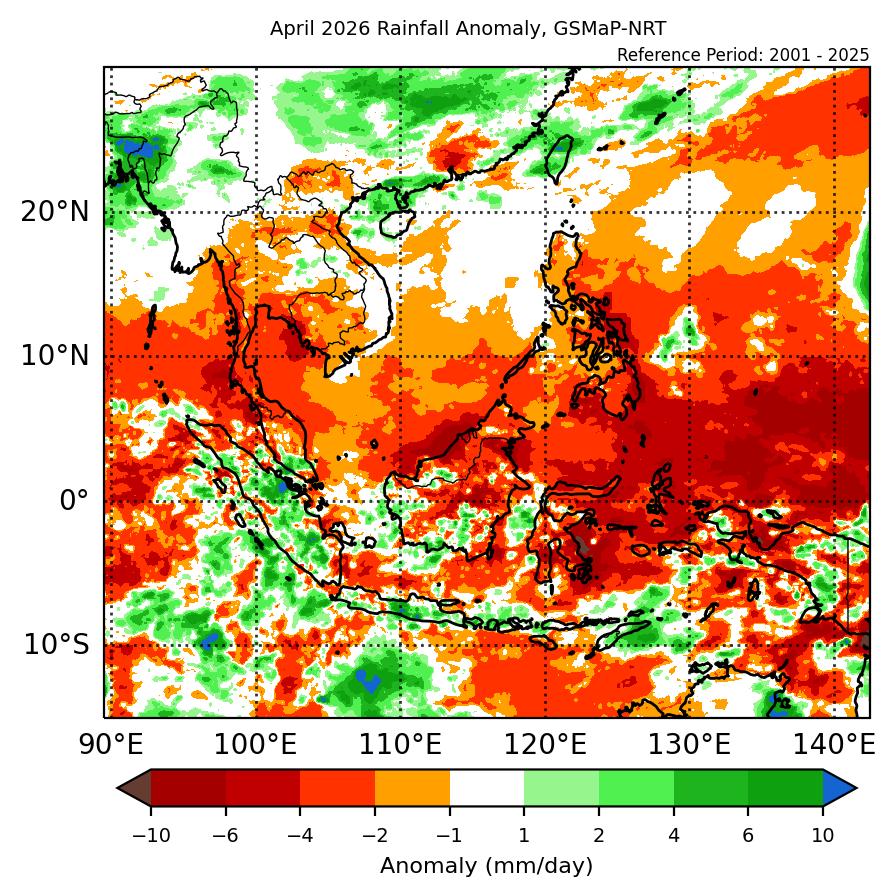
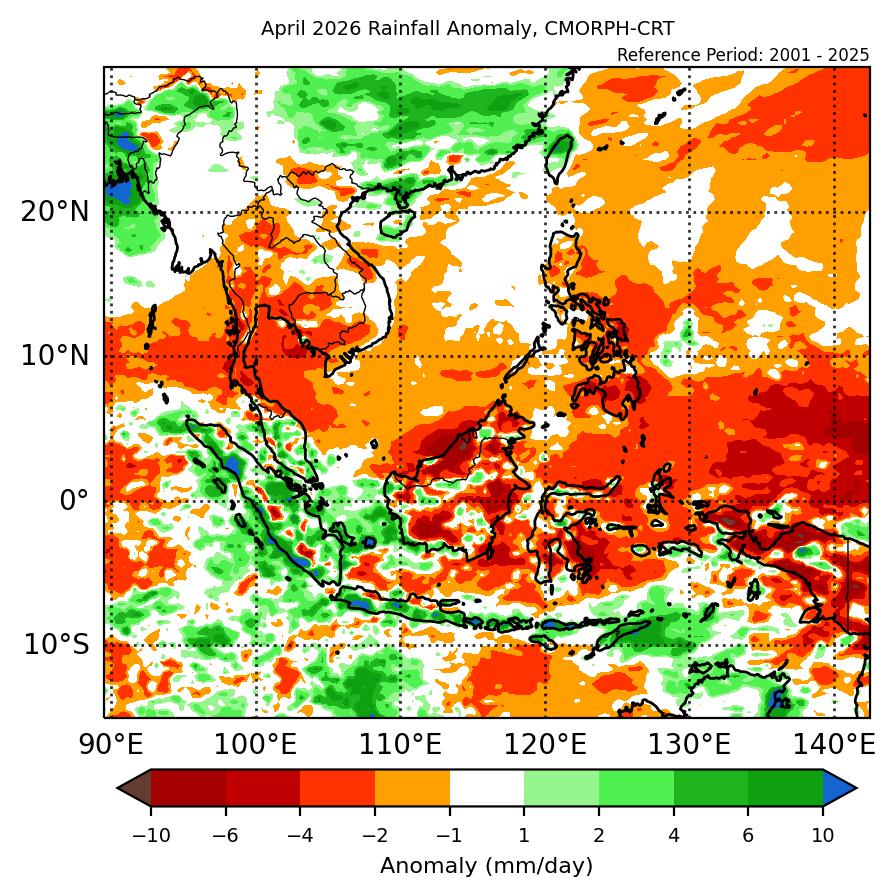
1.1 During April 2026, below- to near-average rainfall was recorded over most of Mainland Southeast Asia with a mix of below- to above-average rainfall for the Maritime Continent (Figure 1). Most of southern and central Mailand Southeast Asia recorded below-average rainfall based on both datasets (GSMaP-NRT and CMORPH-CRT). The western and southern Maritime Continent recorded predominately above-average rainfall, with the northeastern part recording below-average rainfall and the central Maritime Continent a mix of below- to above-average rainfall. The largest positive (wetter) anomalies were recorded over Sumatra for both datasets, along with parts of the southern Maritime Continent for CMORPH-CRT, with the largest negative (drier) anomalies over northwestern Borneo for both datasets and Sulawesi for GSMaP-NRT).

1.2 The observed rainfall anomaly pattern of below-average rainfall over southern and central Mainland Southeast Asia as well as over the northern Maritime Continent, is consistent with the predictions from the subseasonal weather outlooks for March 2026 (30 March – 12 April 2026, 13 – 26 April 2026) and 27 April – 10 May 2026). However, the seasonal outlook predicted below-normal rainfall as the dominant tercile for much of the southern ASEAN region.

era5_rainfall_anomalies
cmorph_bld_rainfall_anomalies
Figure 1: Rainfall anomalies for April 2026 based on GSMaP-NRT data (left) and CPC CMORPH-CRT data (right). The climatological reference period is 2001-2024. Green colour denotes above-average rainfall (wetter), while orange denotes below-average rainfall (drier).


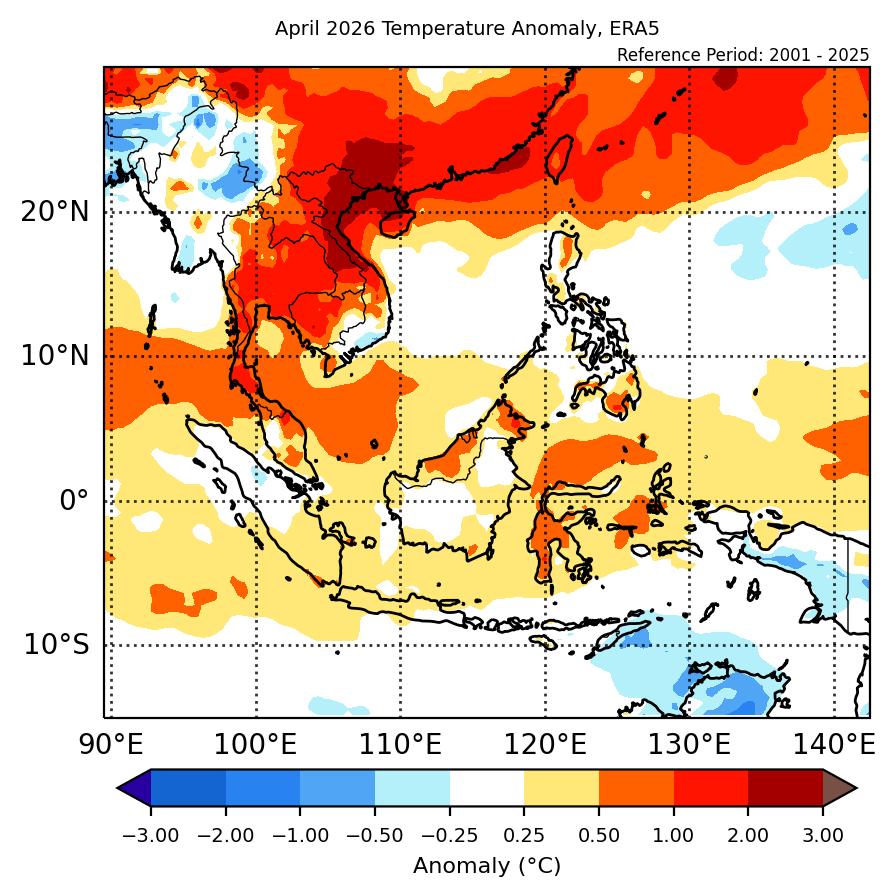
1.3 Above-average temperature was recorded over parts of northeastern Mainland Southeast Asia, with below- to near-average temperature for southeastern and northwestern Mainland Southeast Asia (Figure 2). Near-to above-average temperature was recorded for much of the ASEAN region. The warmest anomalies (2°C – 3°C above average) were recorded over parts of Viet Nam and Lao PDR, with warm anomalies (1°C – 2°C above average) recorded over parts of Thailand and Cambodia. The coolest anomalies (0.5°C – 1°C below average) were recorded over parts of Myanmar, Papua and around Timor Leste.

era5_temperature_anomalies
Figure 2: Temperature anomalies for April 2026 based on ERA-5 reanalysis. The climatological reference period is 2001-2024. Red colour denotes above-average temperature (warmer), while blue denotes below-average temperature (colder).


2. Climate Drivers

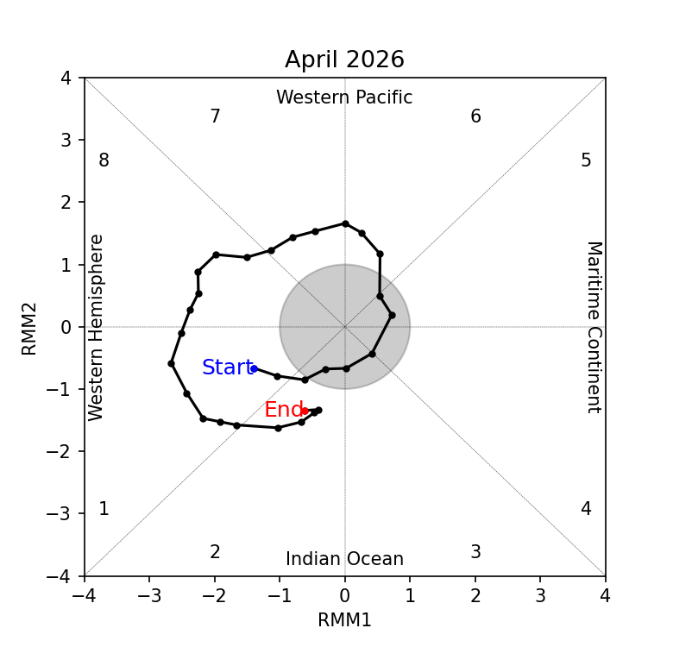
2.1 The Madden-Julian Oscillation (MJO) was active over the Western Pacific and Western Hemisphere for much of April. At the start of April, an MJO signal quickly decayed and was inactive by the end of the first week. An MJO signal then developed over the Western Pacific (Phases 6 and 7) in the second week. This signal continued propagating eastward through the Western Hemisphere, reaching the Indian Ocean (Phase 2) by the end of the month. At this time of the year, Phases 7 and 8 tend to bring drier conditions to the Maritime Continent, with Phase 1 also tending to bring drier conditions to the central and eastern Maritime Continent, and Phase 2 bringing wetter conditions to the western Maritime Continent. This is somewhat in line with drier conditions over parts of the eastern Maritime Continent in Figure 1.

mjo_phase_diagram


Figure 3: The MJO phase diagram. The diagram illustrates the movement of the MJO through different phases, which correspond to different locations along the equator (denoted in the text with the first day of the month in blue and the last day of the month in red). The distance of the index from the centre of the diagram is related to the strength of the MJO. Values within the grey circle are considered weak or indiscernible (data from the Bureau of Meteorology, Australia).


2.2 The El Niño – Southern Oscillation (ENSO) was neutral in April, with the Indian Ocean Dipole (IOD) also in the neutral state.


May 14, 2026

Alert20260514 – Downgrade to Alert Level 0 for Mekong sub-region

Downgrade to Alert Level 1 for Mekong sub-region


In recent days, wet weather prevailed over the Mekong sub-region, contributing to the suppression of hotspot and smoke haze activity. A total of 39 and 62 hotspots detected on 12 and 13 May 2026 respectively based on NOAA 20 satellite surveillance.


In the coming months, widespread shower activities are forecast to continue over most areas of the Mekong sub-region as the inter-monsoon conditions transition into Southwest Monsoon conditions.

Fourth Workshop on ASEAN Regional Climate Data, Analysis and Projections (ARCDAP-4)

Fourth Workshop on ASEAN Regional Climate Data, Analysis and Projections (ARCDAP-4)

The ASEAN Regional Climate Data, Analysis and Projection (ARCDAP) workshop series is an initiative led by the ASEAN Specialised Meteorological Centre (ASMC) and delivered by the Centre for Climate Research Singapore (CCRS) under the Meteorological Service Singapore (MSS). The series began in 2018 following a proposal from the World Meteorological Organization (WMO) Regional Association V Working Group on Climate Service (WG-CLS), which called for stronger regional collaboration within ASEAN to improve the development of regional and national climate change projections.

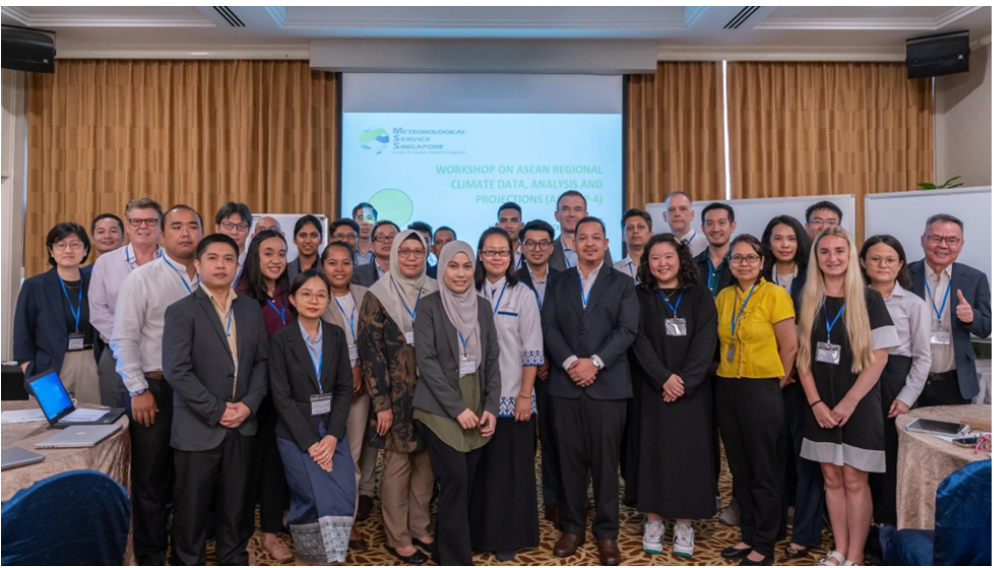
ARCDAP-4 was held in person in Singapore from 21 to 24 April 2025. The workshop brought together 40 participants from ASEAN National Meteorological and Hydrological Services (NMHSs), regional research institutions, international climate experts, and sectoral specialists working on climate change impacts (Figure 1). The workshop centred on the theme, “Applications of High-resolution regional climate change projections for Southeast Asia climate impact studies.”

The ARCDAP-4 workshop was designed to strengthen regional understanding and capacity in the use of high-resolution climate information for Southeast Asia. Its key objectives were to consolidate knowledge of the current status of high-resolution regional climate projections for the region, including initiatives such as CORDEX-SEA and Singapore’s Third National Climate Change Study (V3), and to support climate change impact studies by improving participants’ understanding and application of climate projection data. The workshop also aimed to deepen understanding of climate impact metrics, strengthen regional collaboration and capacity-building around observational datasets, climate projections, and impact assessments, and provide practical training on CCRS’s V3 Data Visualization Portal (DVP) and V3 Data Sharing Portal (DSP). In addition, it sought to develop a set of recommendations for the use of high-resolution regional climate projections in sectoral climate change impact studies.

Figure 1: Group photograph of ASMC staff and participants of the 2026 H2A workshop.
Figure 1: ARCDAP-4 participants’ group photo taken on Day 1.

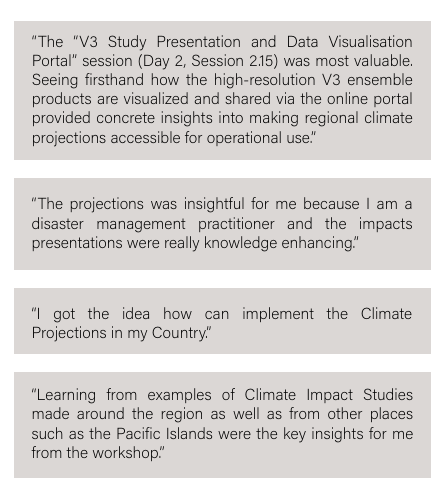
The post-workshop survey results showed that all participants ranked the workshop organisation from Very good to Excellent. When asked to rank the question, “How relevant was the workshop content to your professional work in climate science, service, or policy?”, all participants indicated either Relevant (38.5%) or Very Relevant (61.5%). Overall, the participants are satisfied with the workshop format, content, presentations, and various themed sessions and group activities. All participants also expressed interest in attending ARCDAP-5 if it’s planned.

Figure 1:

Workshop report

ARCDAP-4 report

Related Article

BAMS Meeting Summary

May 11, 2026

Review of Regional Haze Situation for April 2026

Review of Regional Haze Situation for April 2026

1.1 In April 2026, the prevailing winds across most of the ASEAN region turned light and variable in direction, except for the Philippines where the winds blew mostly from the northeast to east, and in the southern and central parts of the Mekong sub-region where winds blew from the southeast or southwest, as the monsoon rainband shifted northwards towards the Equator (Figure 1). This is characterised with the transition of the Northeast Monsoon into the inter-monsoon conditions.

1.2 Although isolated rainfall was observed over some parts of the Mekong sub-region and the southern parts of Philippines, dry conditions continued over most of the northern ASEAN region during the review period (Figure 1). There was a gradual increase in the shower activities in the second half of the month. In view of the expected ongoing rainfall over the Mekong sub-region, which could alleviate hotspot and haze conditions, the Alert Level for the sub-region was downgraded to Alert Level 2 on 24 April 2026. Meanwhile, showers prevailed over most of the southern ASEAN region, apart from the eastern parts of Peninsular Malaysia and the northern and eastern parts of Borneo, where conditions were drier (Figure 1).
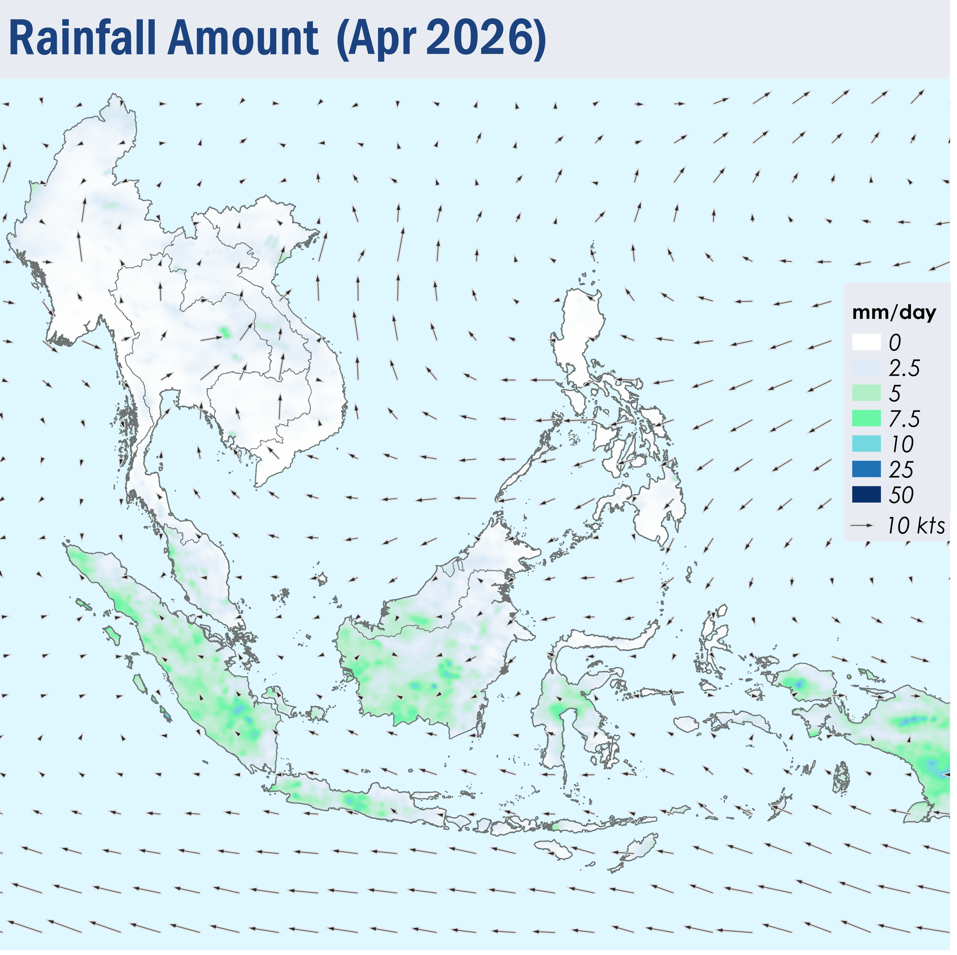
Figure 1: Average Daily Rainfall and Mean Winds for April 2026. (Source: JAXA GsMaP and GFS, respectively)


1.3 Over the northern ASEAN region, the hotspot counts for April 2026 were generally higher than or comparable to previous years, notably in Thailand where the hotspot counts were the highest in 5 years (Figure 2). Over the southern ASEAN region, the hotspot counts for April 2026 were generally lower or comparable to previous years, except in Sabah and Sarawak, where the highest hotspot count was recorded in 5 years (Figure 3).
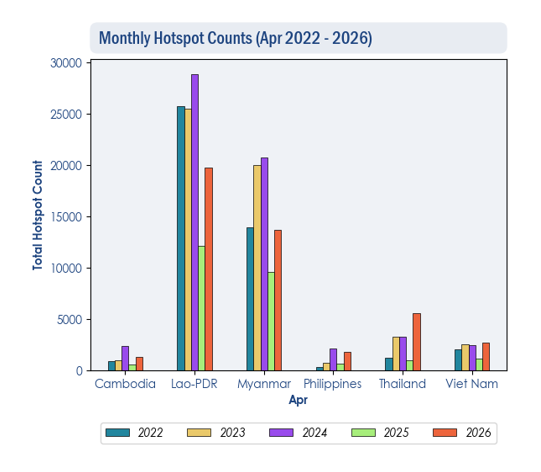
 

Figure 2: Hotspot counts for the northern ASEAN region for April (2022-2026) based on NOAA-20 satellite surveillance.
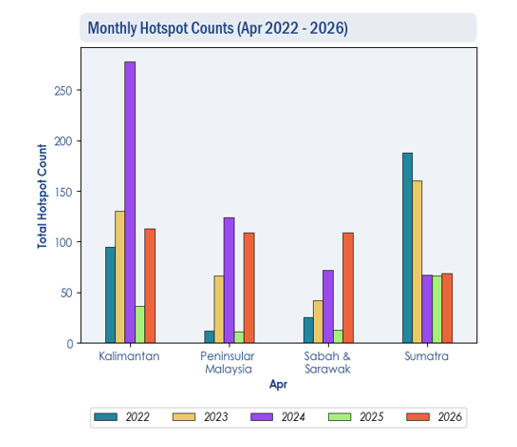
 

Figure 3: Hotspot counts for the southern ASEAN region for April (2022-2026) based on NOAA-20 satellite surveillance.


1.4 Scattered to widespread hotspots were detected in the Mekong sub-region. Persistent and intense hotspots were detected mostly in Myanmar, Lao PDR, as well as the northern and western parts of Thailand (Figures 4 and 5). Moderate to dense transboundary smoke plumes were observed across the Mekong sub-region on many days, particularly over Myanmar, Thailand, Lao PDR, the northern and southern parts of Viet Nam, as well as the northern and southern parts of Cambodia (Figure 6, 7 and 8). During periods of dry weather over the southern ASEAN region, slight to moderate smoke plumes were observed emitting from hotspots detected mainly in parts of Peninsular Malaysia, the northern and central parts of Sumatra, as well as parts of Borneo. Dense plumes were also observed in the central parts of Sumatra (Figures 6, 9 and 10).
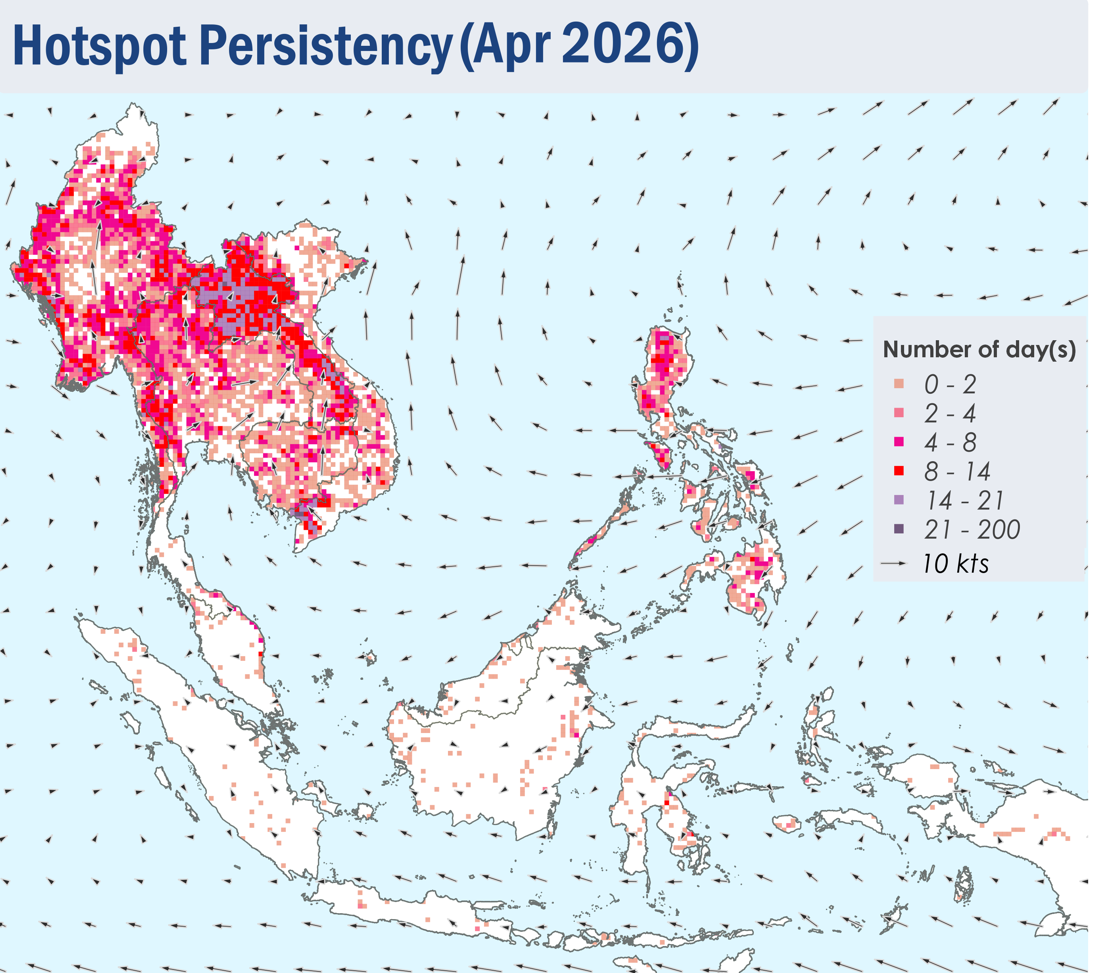
 

Figure 4: Distribution of hotspots detected in April 2026 based on NOAA-20 satellite surveillance.
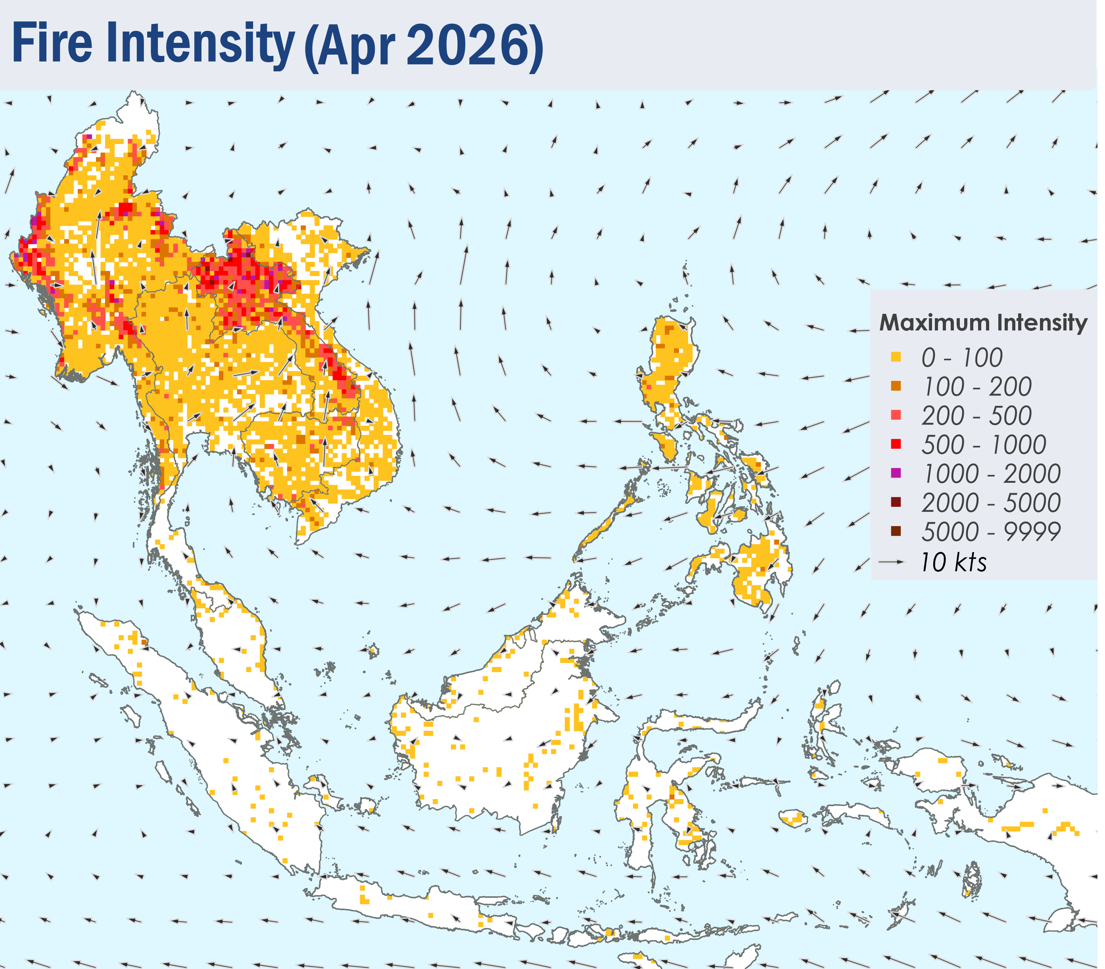
 

Figure 5: Maximum fire intensity in April 2026 based on NOAA-20 satellite surveillance.
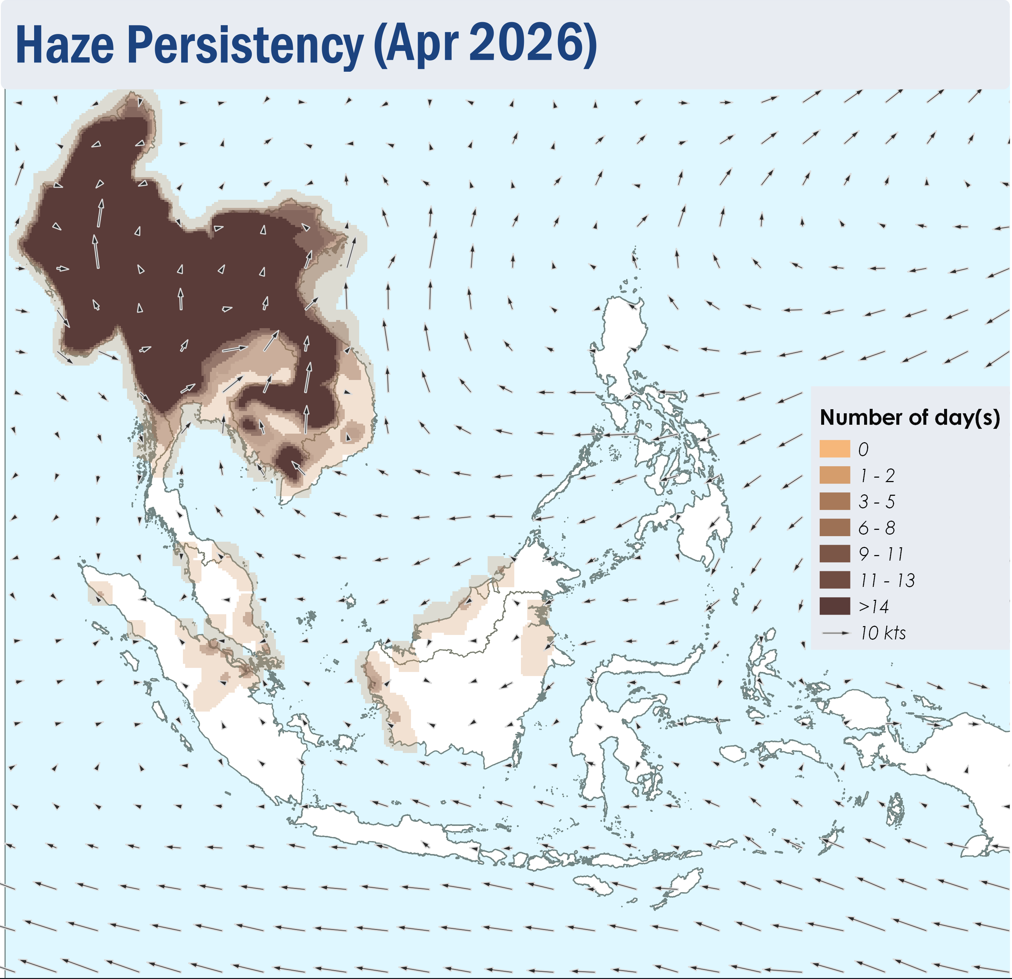
 

Figure 6: Number of days with moderate to dense smoke haze observed in April 2026 based on satellite imagery, ground observations, and air quality reports.
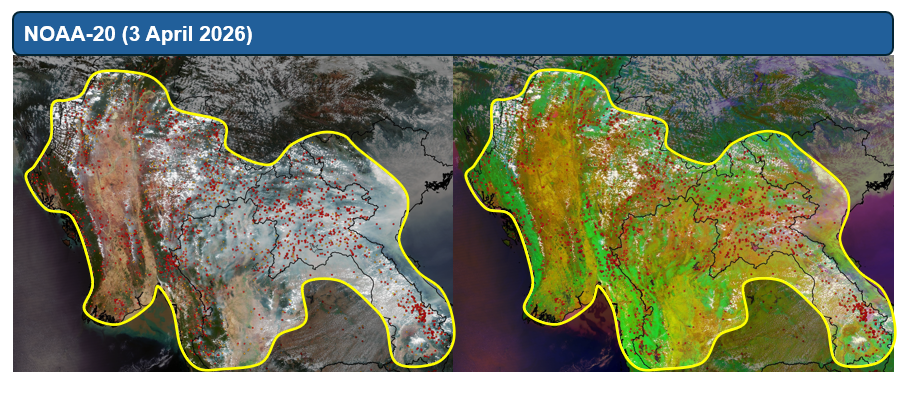
 

Figure 7: Moderate to dense transboundary smoke plumes observed over parts of Myanmar, Lao PDR, northern, central and eastern Thailand and the northern and central parts of Viet Nam on 3 April 2026. (Source: NOAA-20 satellite surveillance)
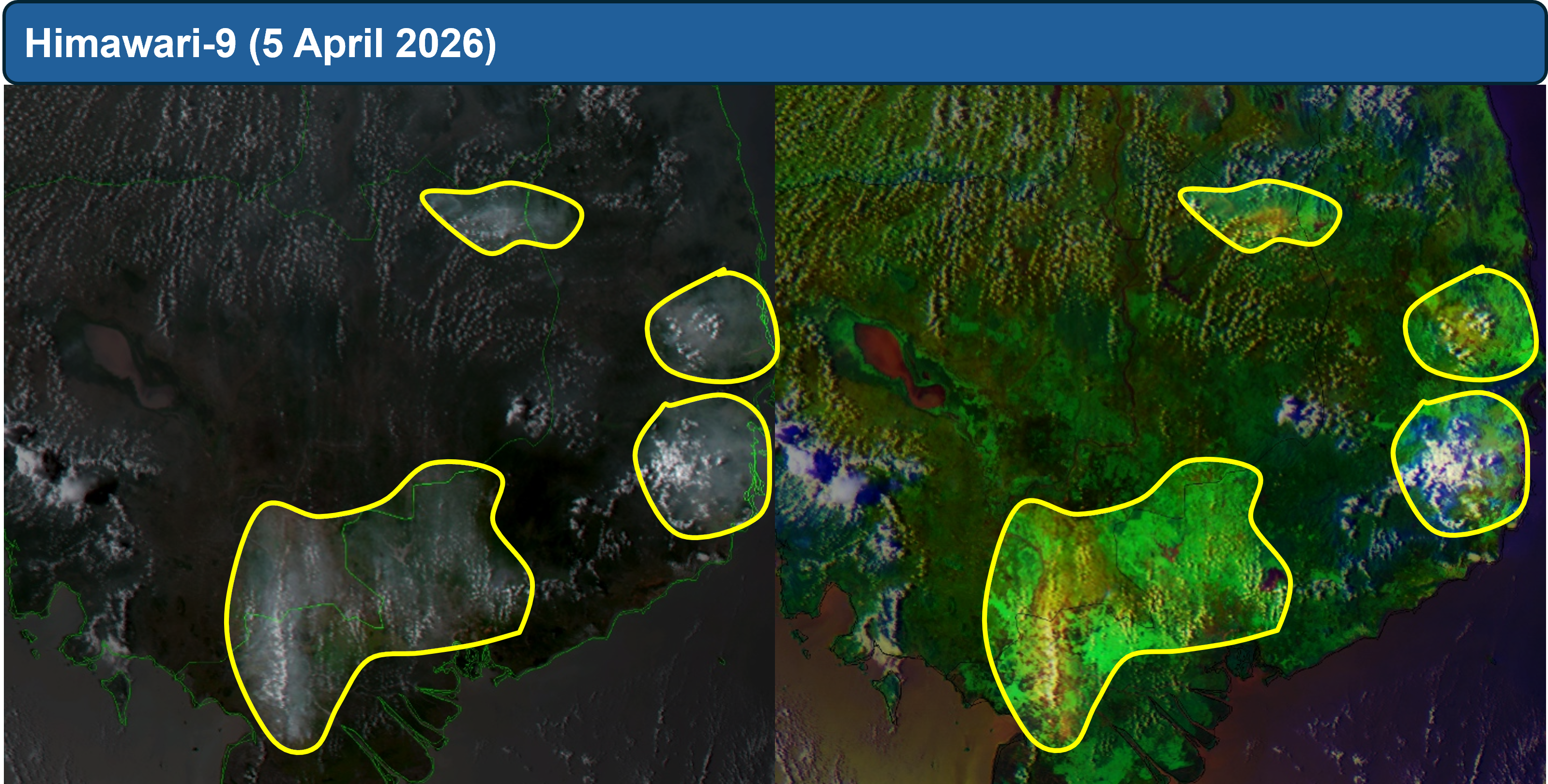
 

Figure 8: Moderate to dense localised and transboundary smoke plumes were observed over the northern and southern parts of Cambodia and the southern parts of Viet Nam on 5 April 2026. (Source: Himawari-9 satellite surveillance)
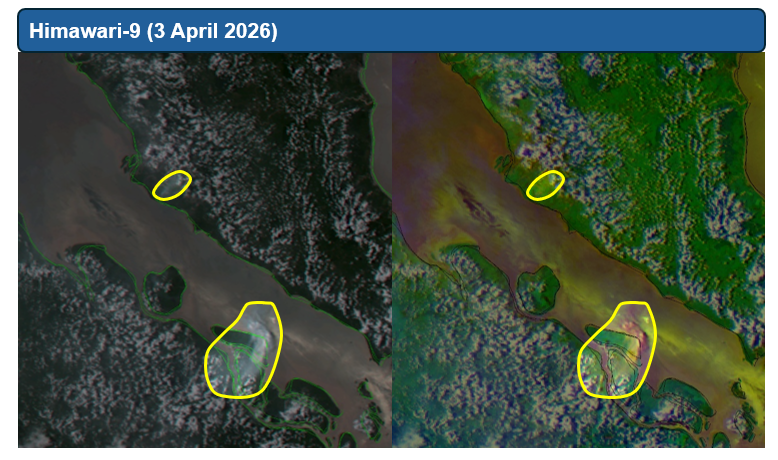
 

Figure 9: Moderate to dense localised smoke plume observed over the western parts of Peninsular Malaysia and the central parts of Sumatra on 3 April 2026. (Source: Himawari-9 satellite surveillance)
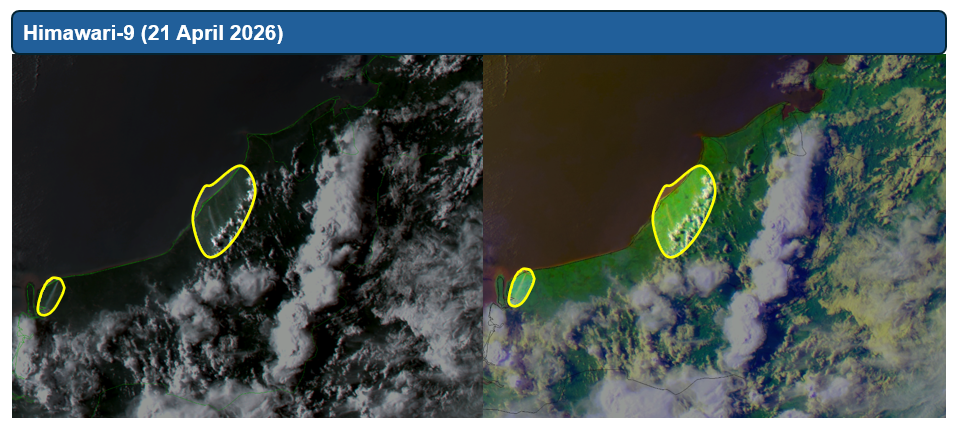
 

Figure 10: Slight to moderate smoke plumes observed over the northern coast of Sarawak on 21 April 2026. (Source: Himawari-9 satellite surveillance)
 

May 7, 2026

Alert20260507 – Downgrade to Alert Level 1 for Mekong sub-region

Downgrade to Alert Level 1 for Mekong sub-region

Wet weather has prevailed over many parts of the Mekong sub-region in recent days, further reducing hotspot and smoke haze activities. A total of 119 and 116 hotspots were detected in the Mekong sub-region on 5 May 2026 and 6 May 2026 respectively from the NOAA-20 satellite.

As wet weather is forecast to continue over most of the Mekong sub-region in the coming weeks, the risk of transboundary haze occurrence is reduced. However, some areas of the sub-region may still experience drier weather conditions, and isolated hotspots with localised smoke plumes can develop.

Subseasonal Weather Outlook (11 – 24 May 2026)

Subseasonal Weather Outlook (11 – 24 May 2026)

Issued: 6 May 2026
First forecast week: 11 – 17 May 2026
Second forecast week: 18 – 24 May 2026

figure1

Figure 1: Rainfall Outlook

figure2

Figure 2: Temperature Outlook

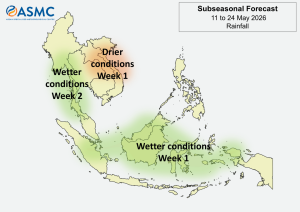
Wetter conditions are predicted over most of the equatorial region in Week 1 (11 – 17 May) and over most of southwestern Mainland Southeast Asia in Week 2 (18 – 24 May).

Drier than usual conditions are predicted over parts of the eastern half of Mainland Southeast Asia in Week 1 (11 – 17 May).

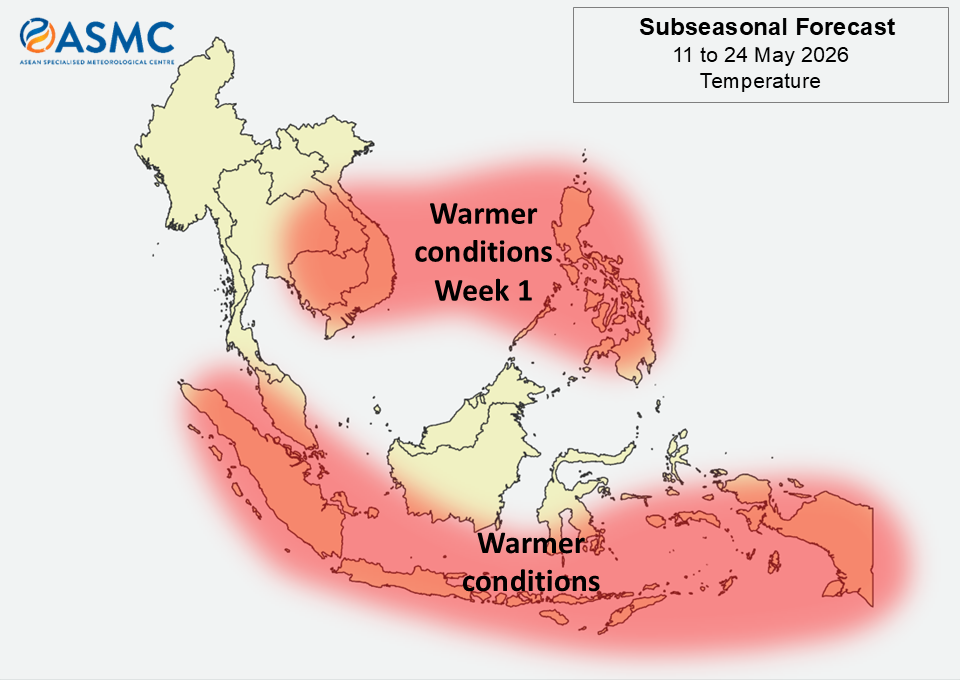
Warmer than usual temperatures are predicted over most of southeastern Mainland Southeast Asia and the northeastern Maritime Continent in Week 1 (11 – 17 May). Warmer than usual temperatures are also predicted over the western and southern Maritime Continent in the next fortnight (11 – 24 May).

A Madden-Julian Oscillation (MJO) signal was present over the Indian Ocean (Phase 2) in the beginning of May 2026. Most models predict the MJO signal to weaken and become inactive by the start of the forecast period and to remain inactive during Week 1 (11 – 17 May). Most models predict an MJO signal to emerge over the Western Pacific (Phase 7) either in Week 2 (18 – 24 May) or after the forecast period.

The outlook is assessed for the region in general, where conditions are relative to the average conditions for the corresponding time of year. For specific updates on the national scale, the relevant ASEAN National Meteorological and Hydrological Services should be consulted.